A tragic incident in Tennessee once again highlighted this reality. A man hiking in Savage Gulf State Park was bitten by a venomous rattlesnake he picked up with his hand. Although medical teams intervened shortly after the incident, the unfortunate man died at the hospital where he was taken. According to experts, such accidents can be prevented with simple precautions in nature. The event serves as an important reminder for nature lovers: do not touch wild animals, and respect their habitats, as this is of vital importance.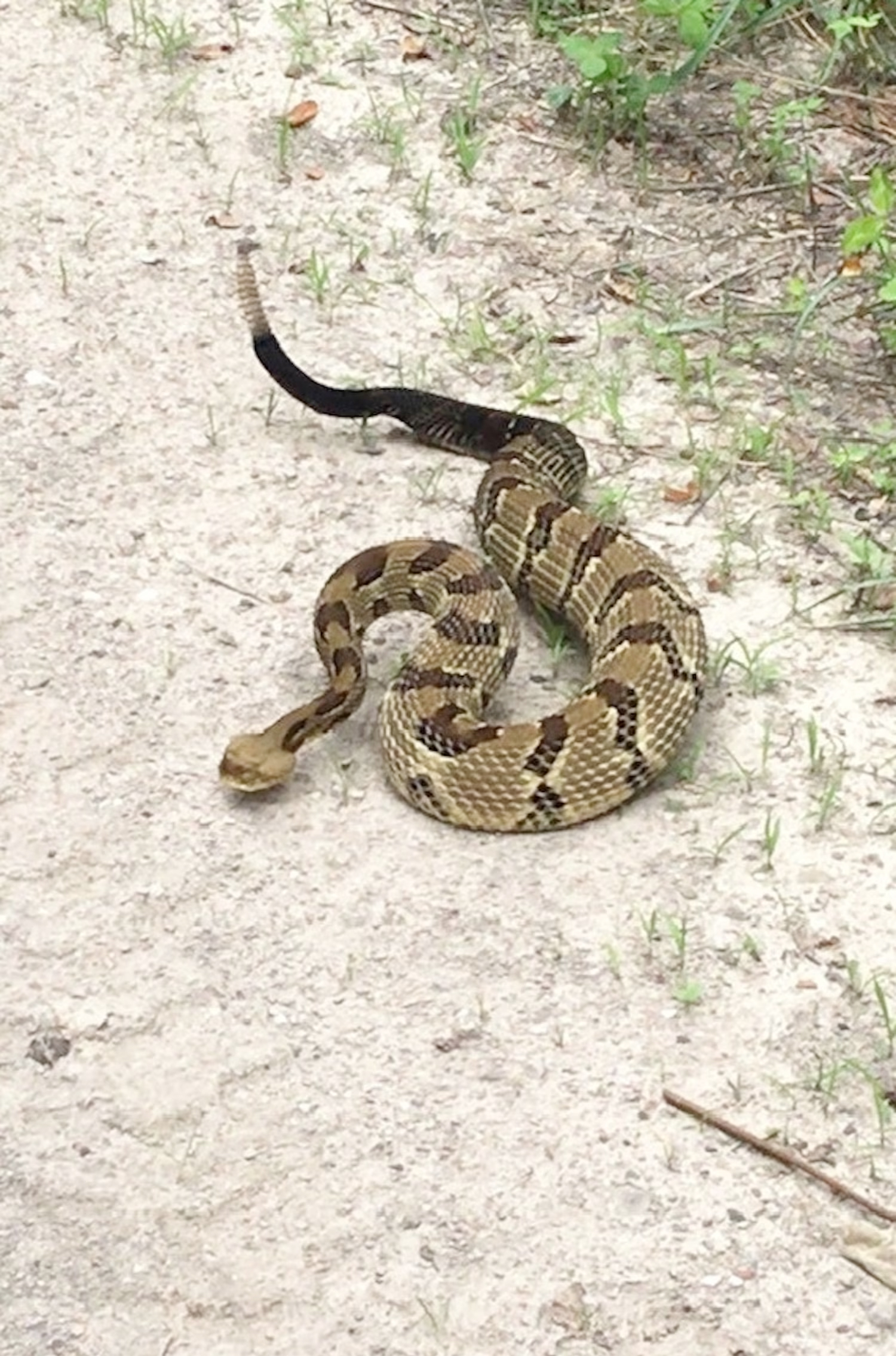
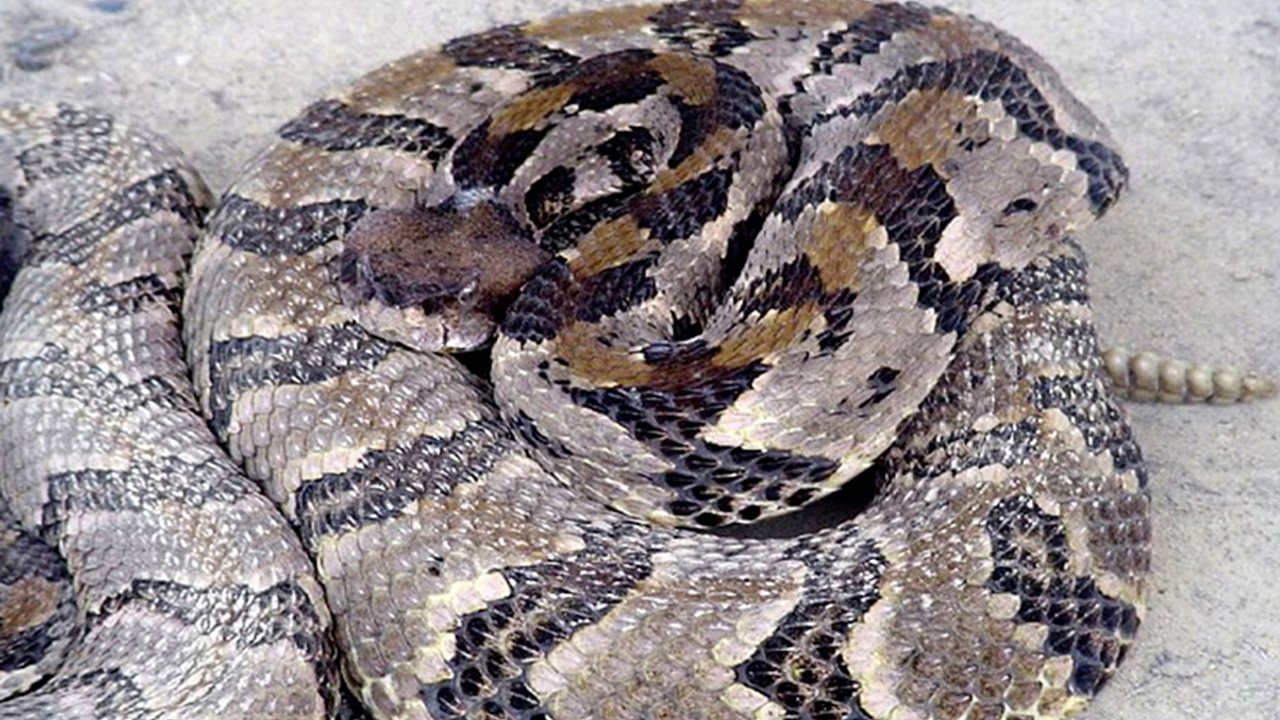
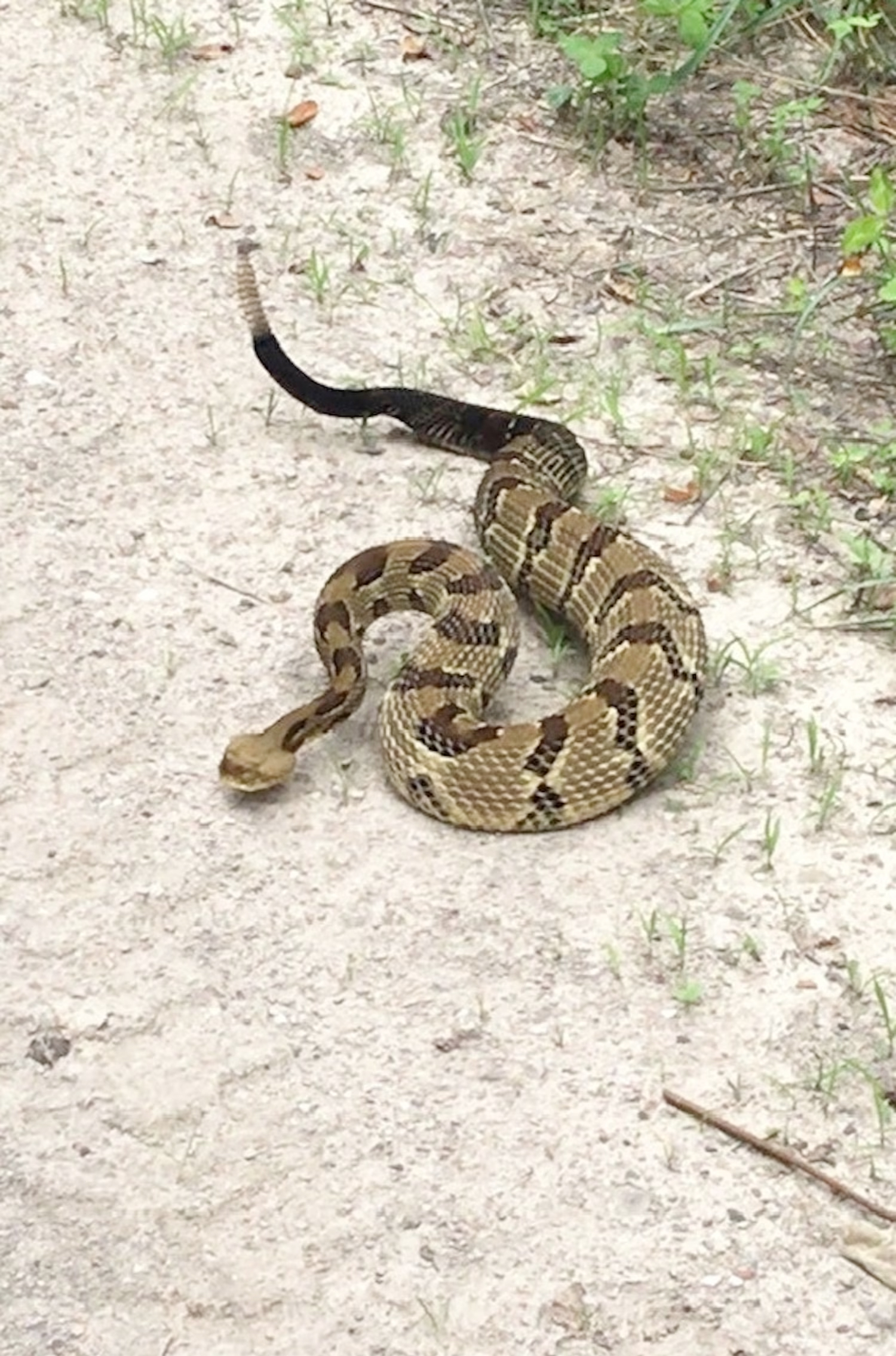 The park where the incident occurred and first responseAccording to information from officials, the incident occurred at Savage Gulf State Park, located about 60 miles northwest of Chattanooga. On August 8, an unidentified male hiker picked up a rattlesnake while walking along a trail in the Gruetli-Laager area. Witnesses stated that the snake bit the man on the hand. The incident occurred about half a mile into the trail, and emergency crews arrived quickly. CPR was performed during the first intervention, and the man was transported to the hospital by ambulance, but despite all efforts, he could not be saved.The species responsible for the fatal biteAuthorities believe the snake that bit the hiker was a Timber rattlesnake. This species is known as the largest and most dangerous of the four venomous snakes found in Tennessee. Experts state that Timber rattlesnakes usually grow between 90 and 150 centimeters in length and prefer to live in dense forests and rocky hillsides. Interestingly, this snake species is generally calmer and less aggressive. Unless threatened, it tends to remain motionless. However, when suddenly disturbed or handled, it can pose serious danger.Cause of death under investigationGrundy County Emergency Management Director Matthew Griffith noted that an allergic reaction was also being considered as a possible cause of the hiker’s death. Venomous snake bites can have different effects depending on the individual. In some cases, an overreaction of the immune system can lead to fatal consequences. The exact cause of death will be determined by an autopsy report. Griffith stated, “We extend our condolences to his family, our thoughts are with them.”
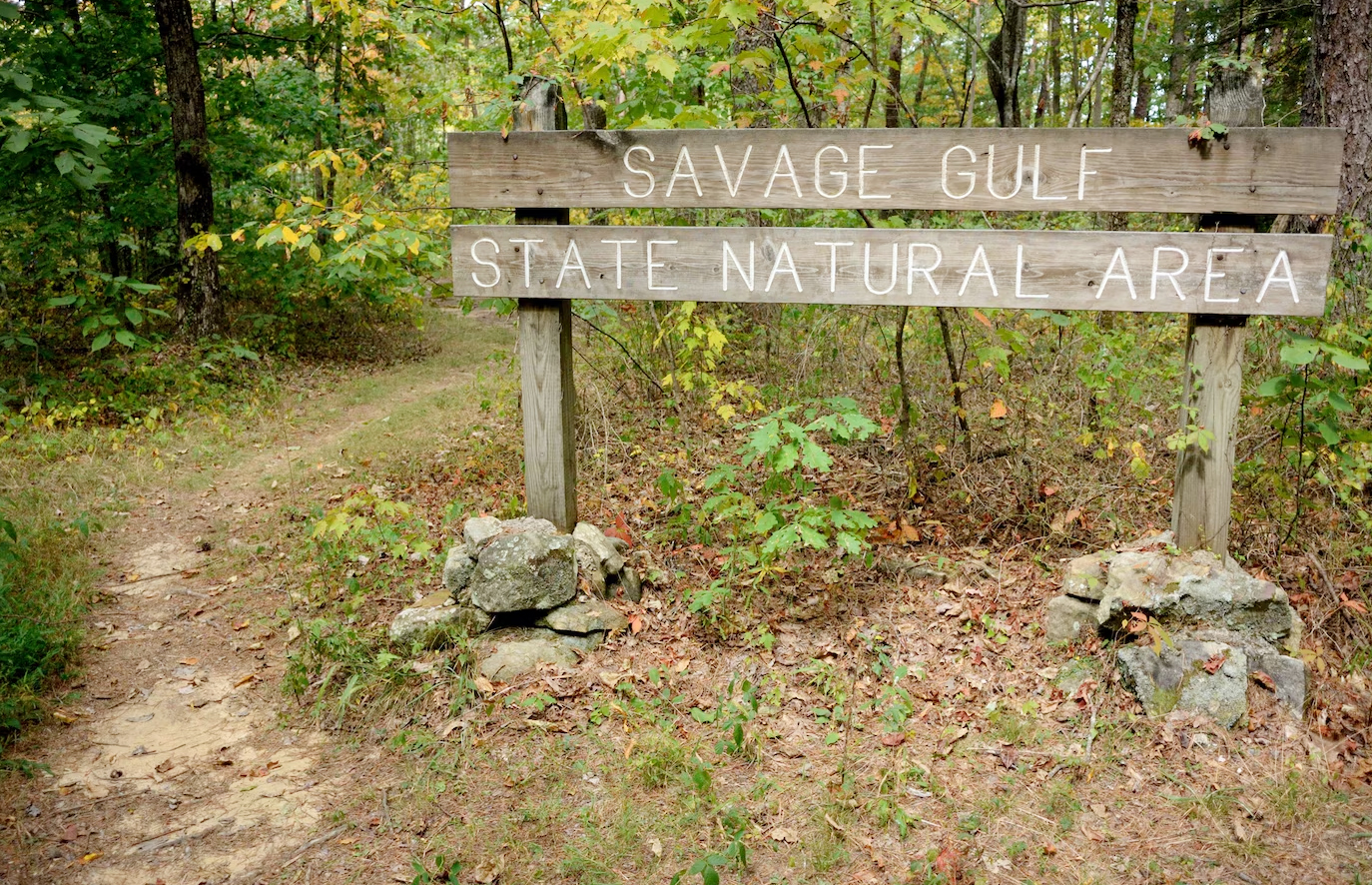 Snake bites and statistics in the United StatesAccording to data from the Centers for Disease Control and Prevention (CDC), between 7,000 and 8,000 people are bitten by venomous snakes in the United States each year. The vast majority of these victims survive with medical treatment. On average, only about five people die annually as a result of such bites. However, experts emphasize that the death rate would be much higher if victims did not receive medical care. Therefore, seeking medical attention immediately after a snake bite is of vital importance.First aid recommendationsThe CDC also shares proper first aid practices for snake bites. First, the victim should remain calm and limit movement as much as possible. Removing jewelry, washing the bitten area with soap and water, and then covering it with a sterile cloth are recommended. In addition, marking the edge of the swelling on the skin and noting the time can help track its progression. Common misconceptions include trying to suck out the venom, applying ice, making a tourniquet, or putting the wound in water. These methods cause more harm than good.Warnings for nature hikers from expertsMatthew Griffith emphasized that nature enthusiasts should always carry a first aid kit with them. He also stressed the importance of remaining calm when encountering wildlife and not touching animals. “If you encounter a snake, do not approach it and never try to handle it. If bitten, seek immediate medical attention,” he said. Tennessee’s natural beauty and wide hiking trails attract thousands of visitors each year. However, it should not be forgotten that these areas are also home to wildlife.Conclusion and remindersThis tragic incident at Savage Gulf State Park once again showed that simple safety measures in nature can be life-saving. Venomous snakes are important parts of the natural ecosystem and most often do not attack humans. However, improper behavior can lead to fatal consequences. Hikers and campers should always be cautious in nature, avoid disturbing wildlife, and act with awareness of first aid.
The park where the incident occurred and first responseAccording to information from officials, the incident occurred at Savage Gulf State Park, located about 60 miles northwest of Chattanooga. On August 8, an unidentified male hiker picked up a rattlesnake while walking along a trail in the Gruetli-Laager area. Witnesses stated that the snake bit the man on the hand. The incident occurred about half a mile into the trail, and emergency crews arrived quickly. CPR was performed during the first intervention, and the man was transported to the hospital by ambulance, but despite all efforts, he could not be saved.The species responsible for the fatal biteAuthorities believe the snake that bit the hiker was a Timber rattlesnake. This species is known as the largest and most dangerous of the four venomous snakes found in Tennessee. Experts state that Timber rattlesnakes usually grow between 90 and 150 centimeters in length and prefer to live in dense forests and rocky hillsides. Interestingly, this snake species is generally calmer and less aggressive. Unless threatened, it tends to remain motionless. However, when suddenly disturbed or handled, it can pose serious danger.Cause of death under investigationGrundy County Emergency Management Director Matthew Griffith noted that an allergic reaction was also being considered as a possible cause of the hiker’s death. Venomous snake bites can have different effects depending on the individual. In some cases, an overreaction of the immune system can lead to fatal consequences. The exact cause of death will be determined by an autopsy report. Griffith stated, “We extend our condolences to his family, our thoughts are with them.”Snake bites and statistics in the United StatesAccording to data from the Centers for Disease Control and Prevention (CDC), between 7,000 and 8,000 people are bitten by venomous snakes in the United States each year. The vast majority of these victims survive with medical treatment. On average, only about five people die annually as a result of such bites. However, experts emphasize that the death rate would be much higher if victims did not receive medical care. Therefore, seeking medical attention immediately after a snake bite is of vital importance.First aid recommendationsThe CDC also shares proper first aid practices for snake bites. First, the victim should remain calm and limit movement as much as possible. Removing jewelry, washing the bitten area with soap and water, and then covering it with a sterile cloth are recommended. In addition, marking the edge of the swelling on the skin and noting the time can help track its progression. Common misconceptions include trying to suck out the venom, applying ice, making a tourniquet, or putting the wound in water. These methods cause more harm than good.Warnings for nature hikers from expertsMatthew Griffith emphasized that nature enthusiasts should always carry a first aid kit with them. He also stressed the importance of remaining calm when encountering wildlife and not touching animals. “If you encounter a snake, do not approach it and never try to handle it. If bitten, seek immediate medical attention,” he said. Tennessee’s natural beauty and wide hiking trails attract thousands of visitors each year. However, it should not be forgotten that these areas are also home to wildlife.Conclusion and remindersThis tragic incident at Savage Gulf State Park once again showed that simple safety measures in nature can be life-saving. Venomous snakes are important parts of the natural ecosystem and most often do not attack humans. However, improper behavior can lead to fatal consequences. Hikers and campers should always be cautious in nature, avoid disturbing wildlife, and act with awareness of first aid.