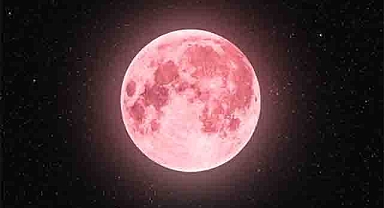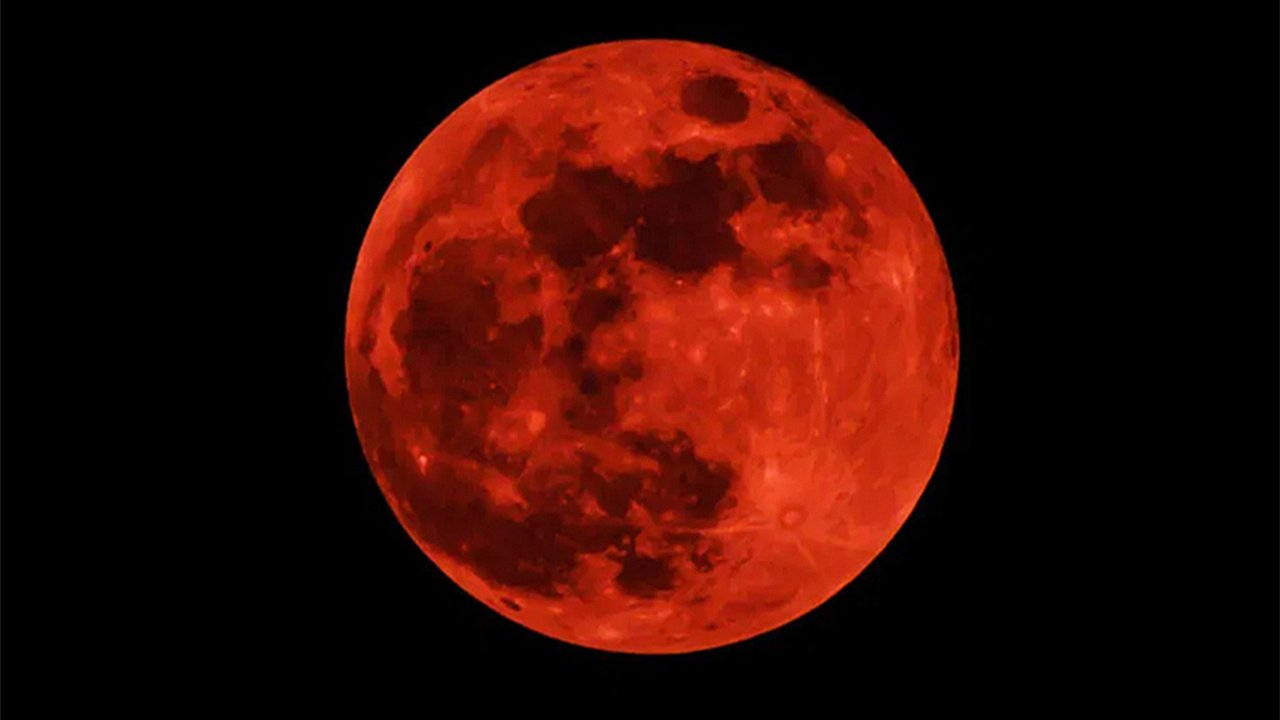
India at the Heart of the 2025 Blood Moon Eclipse
This rare celestial phenomenon, often referred to as a Blood Moon, will be most prominently visible in India, as well as across China, Russia, western Australia, eastern Africa, and much of central Asia. Observers in these regions will have the best seats to witness the entire eclipse from start to finish.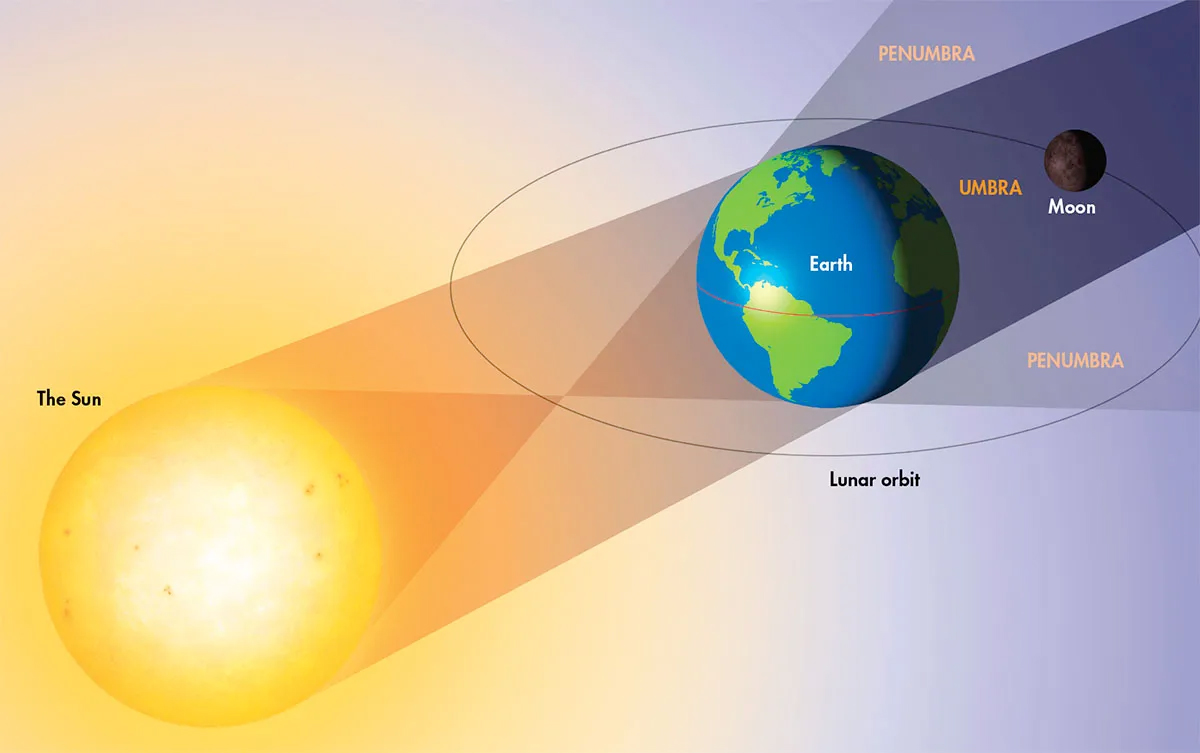 While North America will largely miss this cosmic display, parts of western Alaska may catch a partial eclipse. In the UK and western Europe, viewers might glimpse a brief phase of totality as the Moon rises on the horizon.What Causes a Lunar Eclipse?
A lunar eclipse occurs when the Sun, Earth, and Moon align perfectly in a straight line, with Earth positioned in the middle. Normally, sunlight illuminates the Moon’s full disc, but during an eclipse, Earth blocks direct sunlight from reaching the Moon.As sunlight passes through Earth's atmosphere, shorter blue wavelengths scatter, while longer red wavelengths bend toward the Moon. This natural filtering bathes the lunar surface in a reddish hue, giving rise to the term "Blood Moon".Unlike solar eclipses, lunar eclipses are completely safe to observe with the naked eye, binoculars, or a telescope.The 'Corn Moon' Eclipse Explained
This September’s full Moon is traditionally called the Corn Moon, a name rooted in agricultural traditions marking the time of corn harvest. Similar to other seasonal full Moon names—such as February’s Snow Moon or June’s Strawberry Moon—the term does not affect the Moon’s appearance.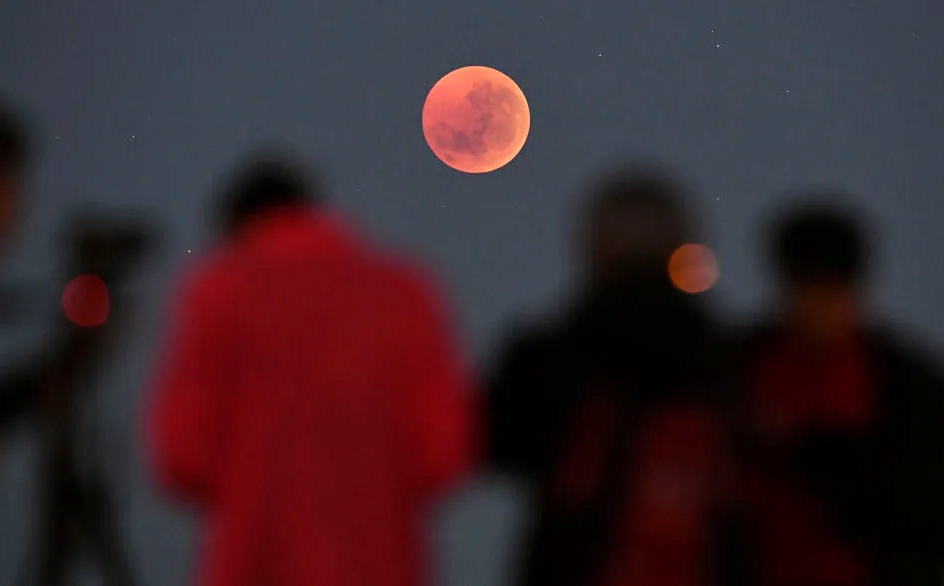 However, because the September 7, 2025 full Moon coincides with a total lunar eclipse, it’s being nicknamed the "Corn Moon Eclipse." Unlike regular full Moons, this one will be dramatically transformed as Earth’s shadow fully covers it, turning it a deep red.Where and When to See the Eclipse
The best visibility for the entire eclipse will be in:
As the Moon turns red over Asia and surrounding regions, this rare astronomical event promises to be one of the most breathtaking sky shows of 2025. Whether you’re in India, Australia, or watching partial phases in Europe, this Blood Moon offers a chance to experience Earth’s cosmic dance with the Moon like never before.
This rare celestial phenomenon, often referred to as a Blood Moon, will be most prominently visible in India, as well as across China, Russia, western Australia, eastern Africa, and much of central Asia. Observers in these regions will have the best seats to witness the entire eclipse from start to finish.
While North America will largely miss this cosmic display, parts of western Alaska may catch a partial eclipse. In the UK and western Europe, viewers might glimpse a brief phase of totality as the Moon rises on the horizon.What Causes a Lunar Eclipse?A lunar eclipse occurs when the Sun, Earth, and Moon align perfectly in a straight line, with Earth positioned in the middle. Normally, sunlight illuminates the Moon’s full disc, but during an eclipse, Earth blocks direct sunlight from reaching the Moon.As sunlight passes through Earth's atmosphere, shorter blue wavelengths scatter, while longer red wavelengths bend toward the Moon. This natural filtering bathes the lunar surface in a reddish hue, giving rise to the term "Blood Moon".Unlike solar eclipses, lunar eclipses are completely safe to observe with the naked eye, binoculars, or a telescope.The 'Corn Moon' Eclipse Explained
This September’s full Moon is traditionally called the Corn Moon, a name rooted in agricultural traditions marking the time of corn harvest. Similar to other seasonal full Moon names—such as February’s Snow Moon or June’s Strawberry Moon—the term does not affect the Moon’s appearance.
However, because the September 7, 2025 full Moon coincides with a total lunar eclipse, it’s being nicknamed the "Corn Moon Eclipse." Unlike regular full Moons, this one will be dramatically transformed as Earth’s shadow fully covers it, turning it a deep red.Where and When to See the EclipseThe best visibility for the entire eclipse will be in:
- India and central Asia
- China and Russia
- Western Australia
- Eastern Africa
- Antarctica, western Pacific Ocean, and Indian Ocean
- 3:28 PM – Penumbral eclipse begins
- 4:27 PM – Partial eclipse begins
- 5:30 PM – Total eclipse starts
- 6:11 PM – Maximum eclipse
- 6:52 PM – Total eclipse ends
- 7:56 PM – Partial eclipse ends
- 8:55 PM – Penumbral eclipse ends
As the Moon turns red over Asia and surrounding regions, this rare astronomical event promises to be one of the most breathtaking sky shows of 2025. Whether you’re in India, Australia, or watching partial phases in Europe, this Blood Moon offers a chance to experience Earth’s cosmic dance with the Moon like never before.