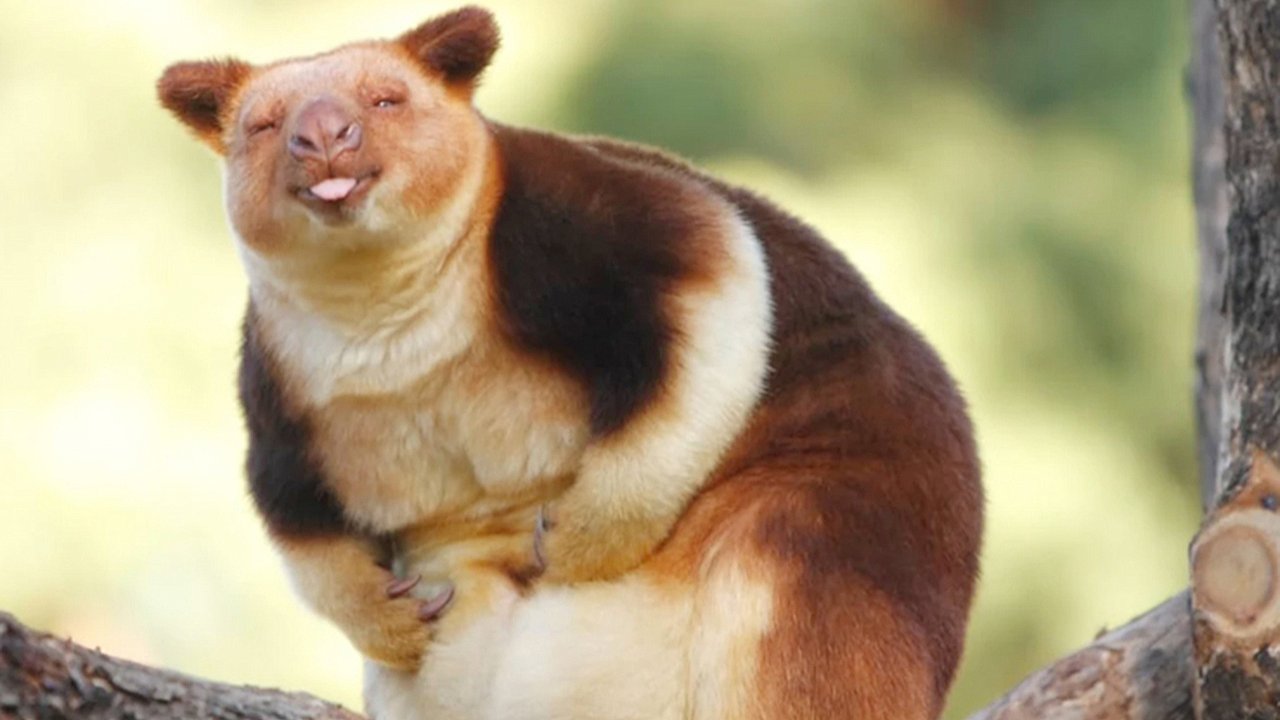
Rare marsupial reemerges after nearly a centuryFor almost 90 years, the Wondiwoi tree kangaroo seemed to have vanished from the planet, leaving scientists to wonder if the species had slipped into extinction. First described in 1928 by German biologist Ernst Mayr, the animal was known only from a single specimen collected in the Wondiwoi Mountains of West Papua, Indonesia. Since then, there had been no confirmed sightings, making it one of the world’s most mysterious mammals.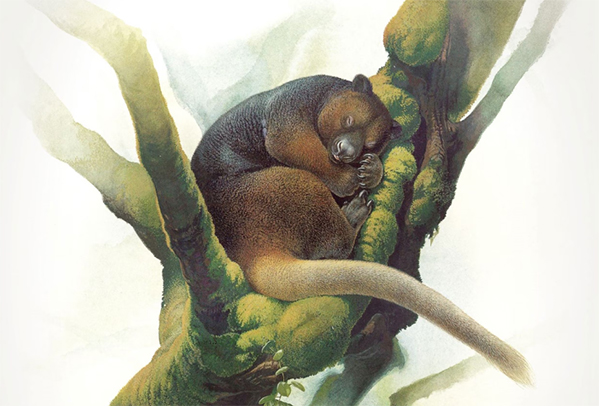 That changed when Michael Smith, a British amateur botanist with a passion for exploring remote regions, organized an expedition to the dense bamboo forests of the Wondiwoi Peninsula. Trekking at elevations above 5,000 feet with the help of local guides and porters, Smith succeeded where many had failed, capturing the first photographs of the elusive marsupial in its natural habitat. The rediscovery has sparked excitement among conservationists and marsupial experts, offering fresh hope for a species thought to be lost forever.The unique world of tree kangaroosTree kangaroos are unusual marsupials that differ significantly from their ground-dwelling relatives like kangaroos and wallabies. Equipped with strong forelimbs and long tails, they are expert climbers capable of scaling trees in New Guinea’s mountainous forests. Their movement is a curious mix of climbing and hopping, an adaptation that allows them to thrive high in the canopy.There are 17 known species and subspecies of tree kangaroos, with two found in northern Australia and the rest scattered across the forests of New Guinea. Despite their diversity, many species remain poorly studied, and several are threatened by habitat destruction and hunting. The Wondiwoi tree kangaroo (Dendrolagus mayri) has long stood out as one of the rarest, making its recent rediscovery all the more remarkable.A challenging expedition into the Wondiwoi MountainsThe rediscovery was no small feat. The Wondiwoi Mountains are covered in near-impenetrable bamboo thickets that make travel extremely difficult. According to Smith, most hunters and locals rarely venture above 4,200 feet, where the vegetation becomes dense and the terrain increasingly rugged. To reach higher elevations, Smith and his team had to carve a path through thick forest, ascending to about 5,000–5,600 feet where conditions favored the tree kangaroo.It was there that they began to notice telltale signs: claw marks etched into tree trunks, droppings scattered along the forest floor, and even a musky, fox-like scent left behind by the animals. These clues confirmed that the species still inhabited the region, culminating in the extraordinary moment when Smith photographed one in the wild.From extinction fears to rediscoveryThe Wondiwoi tree kangaroo was originally brought to scientific attention in 1928 when Ernst Mayr shot a single specimen, which was later sent to the Natural History Museum in London. Described formally in 1933, the species was never seen again by Western scientists. Over the decades, the absence of sightings led many to believe it had quietly gone extinct.
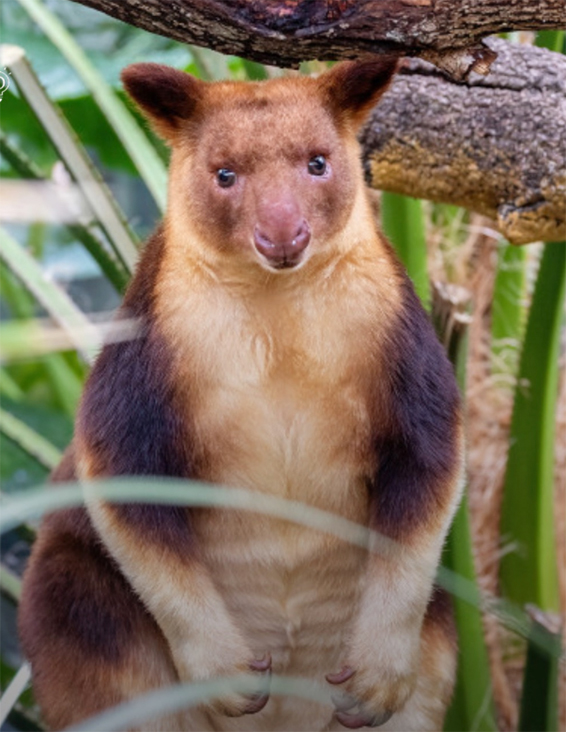 Yet the rediscovery demonstrates that remote mountain ecosystems can still harbor secrets, even in an age of satellite imagery and global biodiversity surveys. Mark Eldridge, a marsupial biologist at the Australian Museum, described the find as “amazing” and admitted he had doubted whether anyone would ever confirm the species’ survival.The role of local knowledge and global expertiseSmith did not make the journey alone. His expedition was supported by four Papuan porters, a local hunter who acted as guide, and Norman Terok, a student from the University of Papua with a passion for natural history. After returning, Smith reached out to global experts, including Eldridge and Roger Martin of James Cook University in Australia, to validate the discovery before going public.This collaboration underscores the importance of combining local knowledge with scientific expertise in biodiversity research. Without the guidance of those who know the land best, the rediscovery of the Wondiwoi tree kangaroo might never have been possible.Conservation challenges aheadWhile the rediscovery is cause for celebration, it also raises urgent questions about the species’ future. The Wondiwoi tree kangaroo inhabits a limited range in mountainous terrain, making it especially vulnerable to habitat loss and hunting. Protecting this species will require stronger conservation measures in West Papua, including safeguarding its forest habitat and raising awareness among local communities.Experts stress that rediscoveries like this highlight how little is still known about remote ecosystems and how easily species can disappear without trace. The survival of the Wondiwoi tree kangaroo serves as a reminder that conservation efforts must extend even into the most inaccessible corners of the planet.A symbol of hope for rare speciesThe Wondiwoi tree kangaroo’s dramatic reappearance after nearly a century in hiding has inspired scientists, conservationists, and nature enthusiasts alike. Its story demonstrates the resilience of wildlife and the possibility that other “lost” species may still exist in Earth’s unexplored habitats.For now, the photographs of this rare marsupial serve as proof of life, rekindling hope that it can be protected for generations to come. The challenge ahead lies in ensuring that the Wondiwoi tree kangaroo, once thought extinct, does not vanish a second time.
That changed when Michael Smith, a British amateur botanist with a passion for exploring remote regions, organized an expedition to the dense bamboo forests of the Wondiwoi Peninsula. Trekking at elevations above 5,000 feet with the help of local guides and porters, Smith succeeded where many had failed, capturing the first photographs of the elusive marsupial in its natural habitat. The rediscovery has sparked excitement among conservationists and marsupial experts, offering fresh hope for a species thought to be lost forever.The unique world of tree kangaroosTree kangaroos are unusual marsupials that differ significantly from their ground-dwelling relatives like kangaroos and wallabies. Equipped with strong forelimbs and long tails, they are expert climbers capable of scaling trees in New Guinea’s mountainous forests. Their movement is a curious mix of climbing and hopping, an adaptation that allows them to thrive high in the canopy.There are 17 known species and subspecies of tree kangaroos, with two found in northern Australia and the rest scattered across the forests of New Guinea. Despite their diversity, many species remain poorly studied, and several are threatened by habitat destruction and hunting. The Wondiwoi tree kangaroo (Dendrolagus mayri) has long stood out as one of the rarest, making its recent rediscovery all the more remarkable.A challenging expedition into the Wondiwoi MountainsThe rediscovery was no small feat. The Wondiwoi Mountains are covered in near-impenetrable bamboo thickets that make travel extremely difficult. According to Smith, most hunters and locals rarely venture above 4,200 feet, where the vegetation becomes dense and the terrain increasingly rugged. To reach higher elevations, Smith and his team had to carve a path through thick forest, ascending to about 5,000–5,600 feet where conditions favored the tree kangaroo.It was there that they began to notice telltale signs: claw marks etched into tree trunks, droppings scattered along the forest floor, and even a musky, fox-like scent left behind by the animals. These clues confirmed that the species still inhabited the region, culminating in the extraordinary moment when Smith photographed one in the wild.From extinction fears to rediscoveryThe Wondiwoi tree kangaroo was originally brought to scientific attention in 1928 when Ernst Mayr shot a single specimen, which was later sent to the Natural History Museum in London. Described formally in 1933, the species was never seen again by Western scientists. Over the decades, the absence of sightings led many to believe it had quietly gone extinct.Yet the rediscovery demonstrates that remote mountain ecosystems can still harbor secrets, even in an age of satellite imagery and global biodiversity surveys. Mark Eldridge, a marsupial biologist at the Australian Museum, described the find as “amazing” and admitted he had doubted whether anyone would ever confirm the species’ survival.The role of local knowledge and global expertiseSmith did not make the journey alone. His expedition was supported by four Papuan porters, a local hunter who acted as guide, and Norman Terok, a student from the University of Papua with a passion for natural history. After returning, Smith reached out to global experts, including Eldridge and Roger Martin of James Cook University in Australia, to validate the discovery before going public.This collaboration underscores the importance of combining local knowledge with scientific expertise in biodiversity research. Without the guidance of those who know the land best, the rediscovery of the Wondiwoi tree kangaroo might never have been possible.Conservation challenges aheadWhile the rediscovery is cause for celebration, it also raises urgent questions about the species’ future. The Wondiwoi tree kangaroo inhabits a limited range in mountainous terrain, making it especially vulnerable to habitat loss and hunting. Protecting this species will require stronger conservation measures in West Papua, including safeguarding its forest habitat and raising awareness among local communities.Experts stress that rediscoveries like this highlight how little is still known about remote ecosystems and how easily species can disappear without trace. The survival of the Wondiwoi tree kangaroo serves as a reminder that conservation efforts must extend even into the most inaccessible corners of the planet.A symbol of hope for rare speciesThe Wondiwoi tree kangaroo’s dramatic reappearance after nearly a century in hiding has inspired scientists, conservationists, and nature enthusiasts alike. Its story demonstrates the resilience of wildlife and the possibility that other “lost” species may still exist in Earth’s unexplored habitats.For now, the photographs of this rare marsupial serve as proof of life, rekindling hope that it can be protected for generations to come. The challenge ahead lies in ensuring that the Wondiwoi tree kangaroo, once thought extinct, does not vanish a second time.