Meet the Full-Grown Miniature Horse: Small in Size, Big on Charm
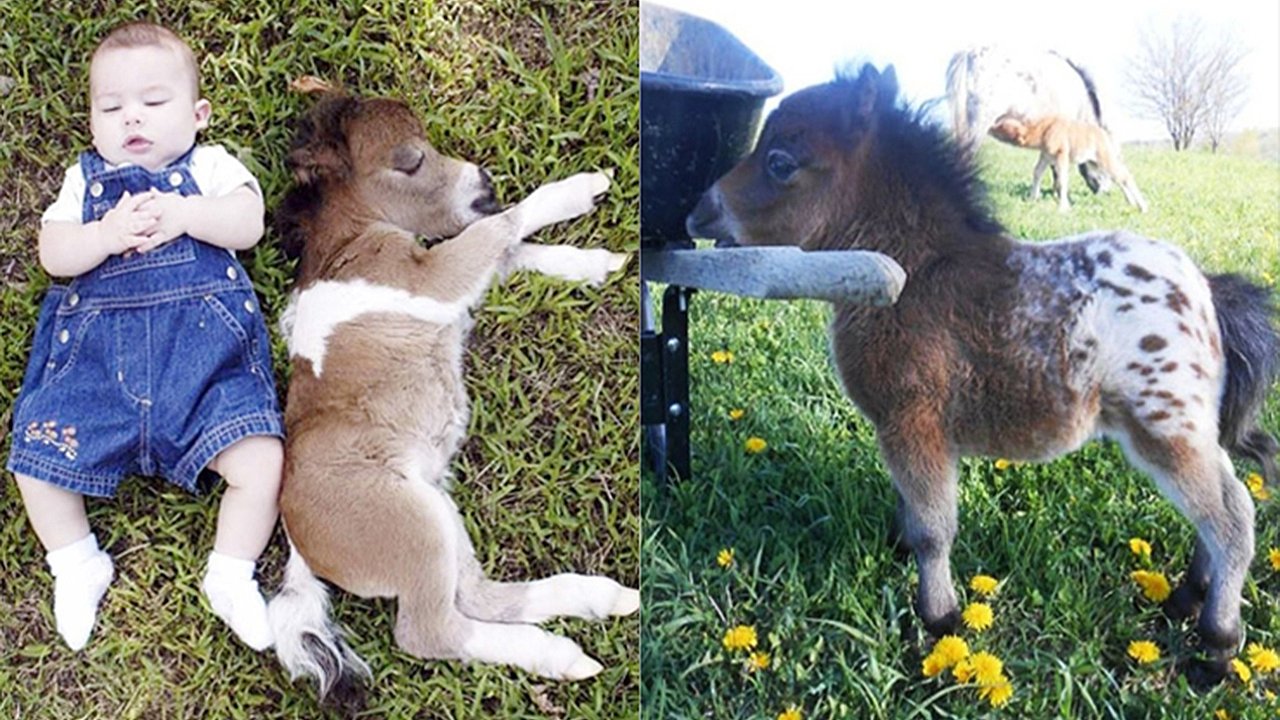
When we picture a horse, we often think of tall, powerful animals galloping across open fields. But miniature horses flip that image on its head. They’re just as equine as their larger relatives—but significantly smaller and infinitely more adorable. Don’t let their petite size fool you, though; these little horses are not foals or babies. They're full-grown horses, standing no taller than 97 cm at the withers, and they have hearts as big as their full-sized cousins.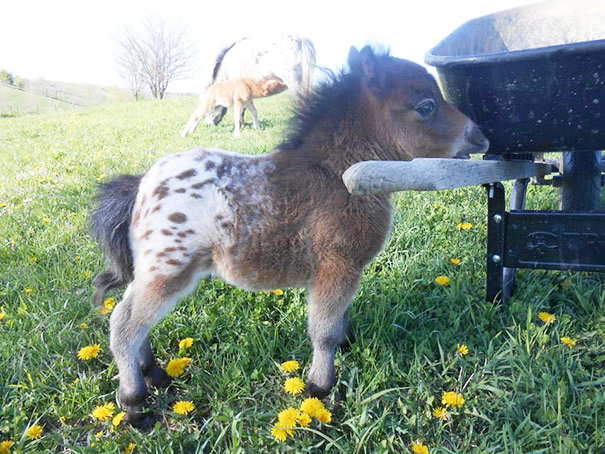 Miniature horses are increasingly popular for their manageable size and sweet disposition. They require less space, less food, and seem almost tailor-made for cuddles. But before you’re charmed into adopting one of these fluffy companions, it’s important to understand what living with a mini actually involves.A Noble History: Miniature Horses Through the Ages
Miniature horses date back to 17th-century Europe, where they were bred as novelty pets for royalty and aristocrats. Their compact size and gentle temperaments made them prized possessions in noble courts. Today, several breeds fall under the umbrella term “miniature horse,” including the dainty Falabella and the South African Miniature Horse.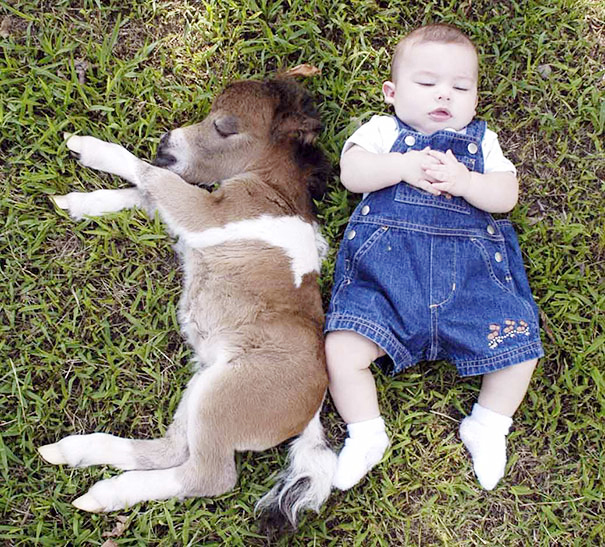 While not a specific breed, miniature horses are defined by their size and their ability to resemble full-sized horses in a scaled-down form. These intelligent and affectionate animals are even trained as service animals in some cases, taking on roles similar to those of guide dogs.Don't Be Fooled—Minis and Grass Don’t Always Mix
You might think that owning a mini is as simple as letting it munch away in your backyard. Unfortunately, many miniature horses cannot tolerate pasture grazing like larger horses. Their tiny bodies are susceptible to rapid weight gain, and rich grasses can lead to obesity or more severe issues like laminitis or founder.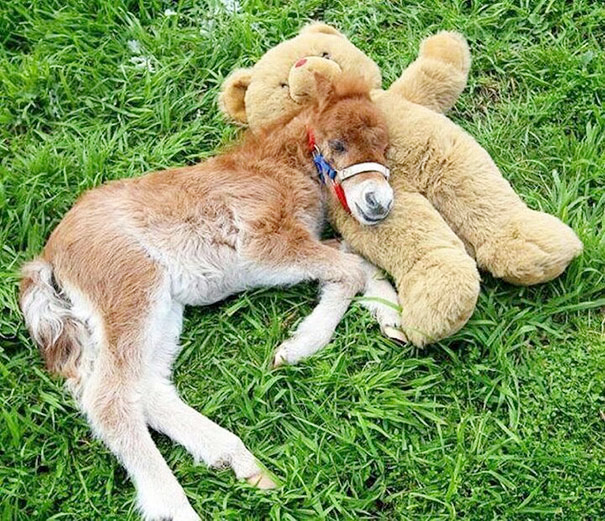 If you bring a mini home, you may need to restrict their grazing access. Dry lots—fenced areas without grass—are often recommended. Alternatively, you might invest in a grazing muzzle to limit their intake. Proper management is key to keeping your mini healthy and active.Miniature Horses Come With Full-Sized Expenses
Though they may be small, the costs associated with keeping a miniature horse are anything but. While you will save on feed, don’t expect lower bills when it comes to veterinary and farrier care. Minis still need regular vaccinations, dental work, and hoof trimming.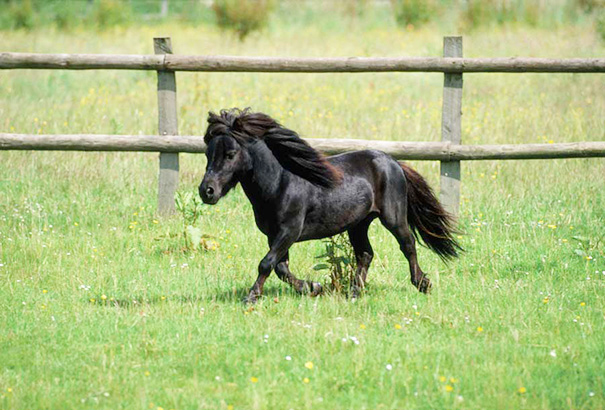 If you plan to board your mini at a stable, be aware that many facilities charge full price for boarding regardless of the animal’s size. Although some offer mini-specific rates, others require standard fees for stall occupancy, making mini ownership a financial commitment similar to owning a full-sized horse.Training is Essential—Even for the Little Ones
It’s a common misconception that miniature horses are so small and cute they don’t need formal training. In reality, they need just as much handling, socialization, and structure as any horse. You won’t be riding them, but they still need to learn basic skills such as haltering, leading, and responding to voice cues.Mini horses benefit from consistent groundwork training, including lunging and obstacle courses to keep them mentally and physically stimulated. Though they are generally friendly and intelligent, they can be just as willful as their larger counterparts if not trained properly.Keep an Eye on That Waistline
Because of their tiny frames, even a few extra pounds can pose serious health risks to miniature horses. Obesity can lead to joint strain, cardiovascular issues, and a lower quality of life. It’s crucial to monitor your mini’s weight regularly—not just by eye, but with girth measurements or scheduled vet checkups.If your mini starts to gain weight, you may need to implement a stricter feeding routine or separate them from other horses to control their diet. A personalized feeding plan and exercise schedule can go a long way in preventing weight-related issues.Not Just Any Fence Will Do
Before welcoming a mini to your farm, you’ll need to inspect your fencing. Because of their size, some minis can slip under traditional pasture fencing or find other escape routes. This is especially true for curious and playful minis who quickly learn how to outwit their enclosures.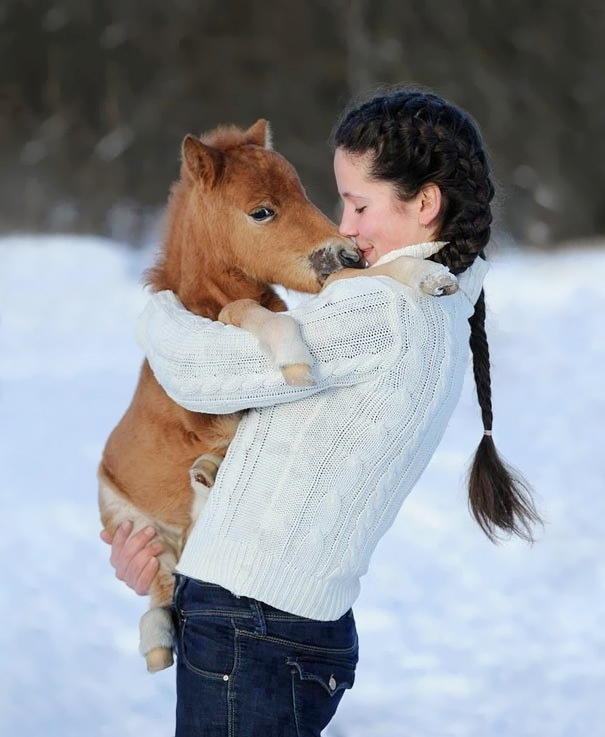 Secure your fences with a lower bottom rail or mesh to ensure your mini stays safely inside. Trust us—once a mini finds a way out, they’re unlikely to forget it. Proper fencing is essential to keeping your tiny equine companion safe and sound.Mini Horses vs. Ponies: What’s the Real Difference?
To the untrained eye, a miniature horse and a pony might seem identical. But there are key differences. Ponies are stockier, with thicker necks, shorter legs, and a more robust build. They were traditionally bred for labor, including pulling carts and working in mines.Miniature horses, on the other hand, are bred to resemble full-sized horses in miniature form. According to the American Miniature Horse Association (AMHA), they must measure under 34 inches at the withers. The American Miniature Horse Registry (AMHR) recognizes minis up to 38 inches tall.While ponies are known for their toughness and adaptability to rough terrain, miniature horses are generally more refined in appearance and temperament, making them popular companions and therapy animals.What Can You Do With a Mini Horse?
Miniature horses aren’t just adorable to look at—they’re also versatile. Though they can’t be ridden, they’re great for driving carts, competing in in-hand show classes, and serving as therapy animals. Many families adopt them as companions for children, while others enjoy training and showing them in competitive events.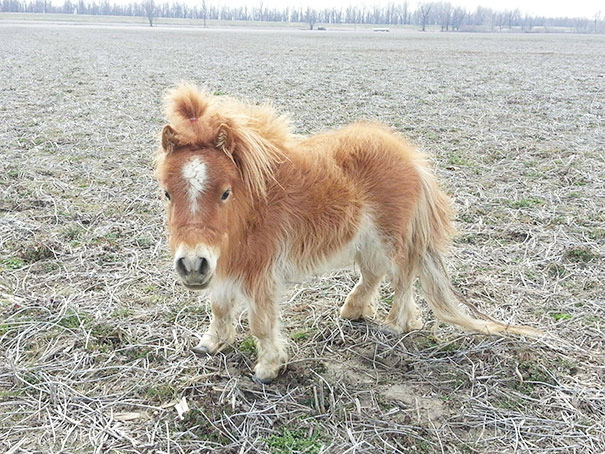 Their affectionate and gentle nature also makes them popular visitors in nursing homes, hospitals, and schools. Whether you’re seeking a loving companion or a unique show animal, a mini horse can be a rewarding addition to your life—if you're prepared for the responsibility.
When we picture a horse, we often think of tall, powerful animals galloping across open fields. But miniature horses flip that image on its head. They’re just as equine as their larger relatives—but significantly smaller and infinitely more adorable. Don’t let their petite size fool you, though; these little horses are not foals or babies. They're full-grown horses, standing no taller than 97 cm at the withers, and they have hearts as big as their full-sized cousins.
Miniature horses are increasingly popular for their manageable size and sweet disposition. They require less space, less food, and seem almost tailor-made for cuddles. But before you’re charmed into adopting one of these fluffy companions, it’s important to understand what living with a mini actually involves.A Noble History: Miniature Horses Through the AgesMiniature horses date back to 17th-century Europe, where they were bred as novelty pets for royalty and aristocrats. Their compact size and gentle temperaments made them prized possessions in noble courts. Today, several breeds fall under the umbrella term “miniature horse,” including the dainty Falabella and the South African Miniature Horse.
While not a specific breed, miniature horses are defined by their size and their ability to resemble full-sized horses in a scaled-down form. These intelligent and affectionate animals are even trained as service animals in some cases, taking on roles similar to those of guide dogs.Don't Be Fooled—Minis and Grass Don’t Always MixYou might think that owning a mini is as simple as letting it munch away in your backyard. Unfortunately, many miniature horses cannot tolerate pasture grazing like larger horses. Their tiny bodies are susceptible to rapid weight gain, and rich grasses can lead to obesity or more severe issues like laminitis or founder.
If you bring a mini home, you may need to restrict their grazing access. Dry lots—fenced areas without grass—are often recommended. Alternatively, you might invest in a grazing muzzle to limit their intake. Proper management is key to keeping your mini healthy and active.Miniature Horses Come With Full-Sized ExpensesThough they may be small, the costs associated with keeping a miniature horse are anything but. While you will save on feed, don’t expect lower bills when it comes to veterinary and farrier care. Minis still need regular vaccinations, dental work, and hoof trimming.
If you plan to board your mini at a stable, be aware that many facilities charge full price for boarding regardless of the animal’s size. Although some offer mini-specific rates, others require standard fees for stall occupancy, making mini ownership a financial commitment similar to owning a full-sized horse.Training is Essential—Even for the Little OnesIt’s a common misconception that miniature horses are so small and cute they don’t need formal training. In reality, they need just as much handling, socialization, and structure as any horse. You won’t be riding them, but they still need to learn basic skills such as haltering, leading, and responding to voice cues.Mini horses benefit from consistent groundwork training, including lunging and obstacle courses to keep them mentally and physically stimulated. Though they are generally friendly and intelligent, they can be just as willful as their larger counterparts if not trained properly.Keep an Eye on That Waistline
Because of their tiny frames, even a few extra pounds can pose serious health risks to miniature horses. Obesity can lead to joint strain, cardiovascular issues, and a lower quality of life. It’s crucial to monitor your mini’s weight regularly—not just by eye, but with girth measurements or scheduled vet checkups.If your mini starts to gain weight, you may need to implement a stricter feeding routine or separate them from other horses to control their diet. A personalized feeding plan and exercise schedule can go a long way in preventing weight-related issues.Not Just Any Fence Will Do
Before welcoming a mini to your farm, you’ll need to inspect your fencing. Because of their size, some minis can slip under traditional pasture fencing or find other escape routes. This is especially true for curious and playful minis who quickly learn how to outwit their enclosures.
Secure your fences with a lower bottom rail or mesh to ensure your mini stays safely inside. Trust us—once a mini finds a way out, they’re unlikely to forget it. Proper fencing is essential to keeping your tiny equine companion safe and sound.Mini Horses vs. Ponies: What’s the Real Difference?To the untrained eye, a miniature horse and a pony might seem identical. But there are key differences. Ponies are stockier, with thicker necks, shorter legs, and a more robust build. They were traditionally bred for labor, including pulling carts and working in mines.Miniature horses, on the other hand, are bred to resemble full-sized horses in miniature form. According to the American Miniature Horse Association (AMHA), they must measure under 34 inches at the withers. The American Miniature Horse Registry (AMHR) recognizes minis up to 38 inches tall.While ponies are known for their toughness and adaptability to rough terrain, miniature horses are generally more refined in appearance and temperament, making them popular companions and therapy animals.What Can You Do With a Mini Horse?
Miniature horses aren’t just adorable to look at—they’re also versatile. Though they can’t be ridden, they’re great for driving carts, competing in in-hand show classes, and serving as therapy animals. Many families adopt them as companions for children, while others enjoy training and showing them in competitive events.
Their affectionate and gentle nature also makes them popular visitors in nursing homes, hospitals, and schools. Whether you’re seeking a loving companion or a unique show animal, a mini horse can be a rewarding addition to your life—if you're prepared for the responsibility.