A Squirrel Unlike Any Other
When wildlife biologist John Koprowski first encountered the Indian giant squirrel, he was stunned. During a 2006 trip to India, he initially mistook the creature for a primate due to its considerable size. Unlike the familiar grey squirrels of North America, the Indian giant squirrel—also known as the Malabar giant squirrel—is enormous, stretching up to 36 inches long, or nearly a meter. That's about twice the size of an eastern grey squirrel.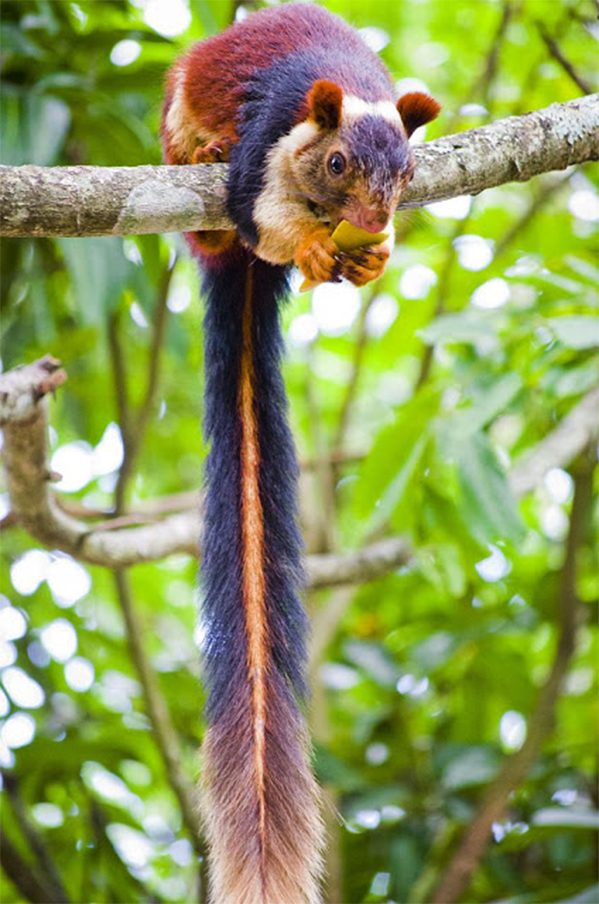 “These are giants!” said Koprowski, a professor and associate director at the University of Arizona’s School of Natural Resources and the Environment, in an interview with The Dodo. Their large size isn’t their only striking feature—their fur is absolutely breathtaking.A Coat of Many Colors
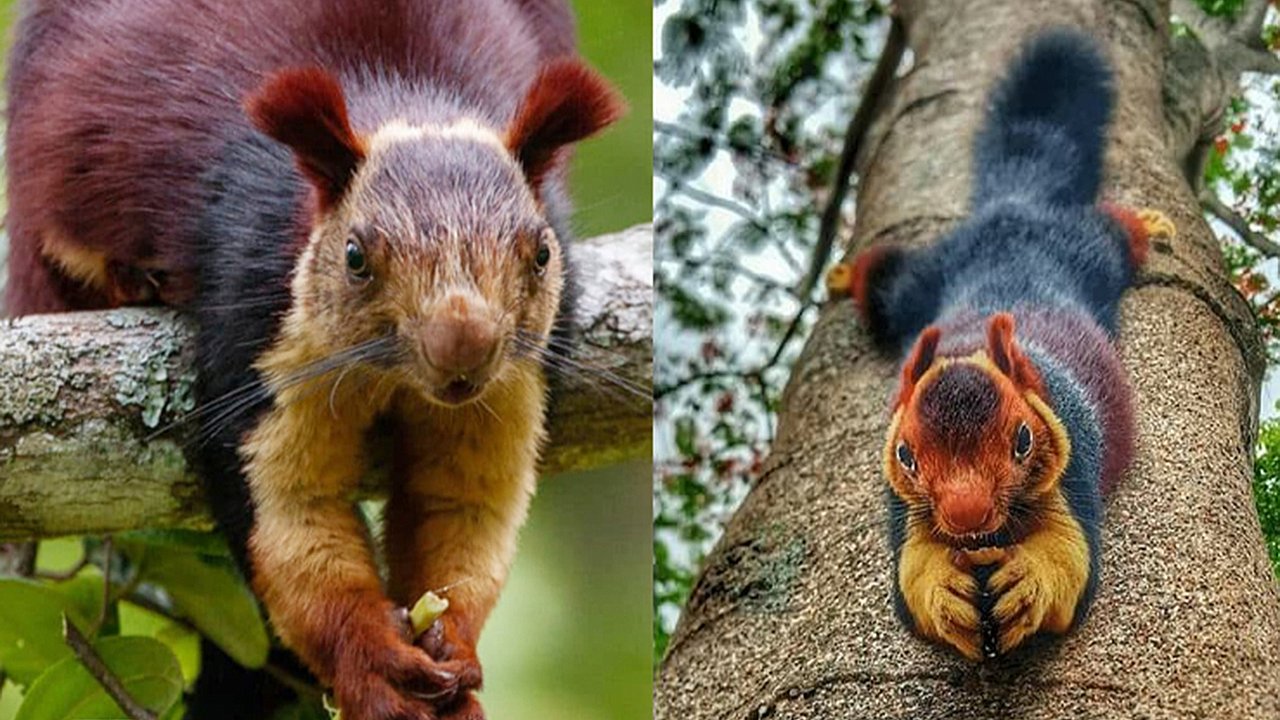
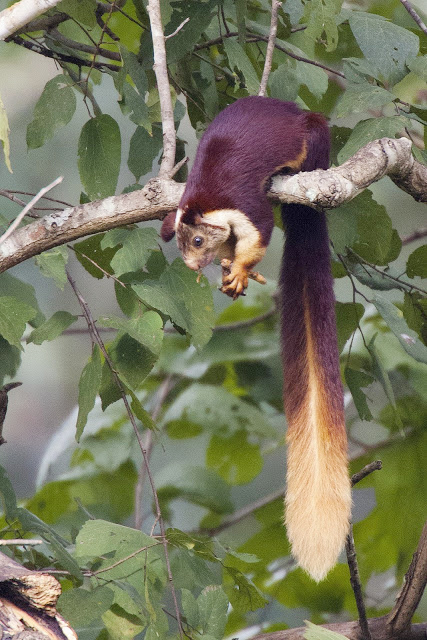
The Indian giant squirrel boasts one of the most eye-catching coats in the animal kingdom. Their fur features an extraordinary mix of colors rarely seen in mammals—deep maroon, violet, orange, rust, brown, and jet black. These vibrant shades are more than just beautiful; they serve an important purpose.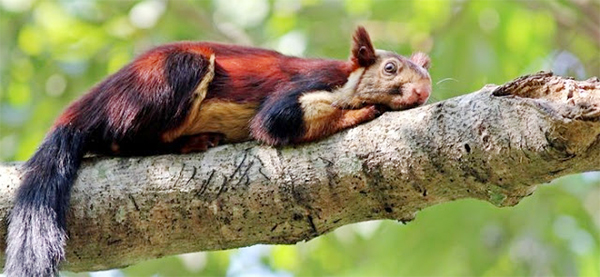 “In the shaded understory of a dense forest, the patchy colors and dark hues are a great adaptation to avoiding detection,” explained Koprowski. The irregular patterns and deep tones help the squirrels blend into the shadows of their treetop homes. But when sunlight hits their coats, the colors shine brilliantly, revealing their full glory.Life Among the Treetops
These remarkable squirrels are perfectly adapted to life high in the canopy of India's forests. They rarely descend to the ground and spend most of their lives leaping from branch to branch. They are capable of incredible jumps—sometimes covering distances of over 20 feet!Spotting one in the wild is no easy task. Found primarily in the forests of southern and eastern India, Malabar giant squirrels are shy and elusive. “One of my friends in India told me the best way to see them is to climb up a tree, stay very quiet, and wait for them to come out of their nests,” said Pizza Ka Yee Chow, a squirrel researcher at Hokkaido University.A Unique Diet and Appearance
Malabar giant squirrels are not just stunning—they're also unique in their behaviors and diet. According to Wikipedia, their meals include fruit, flowers, nuts, and tree bark. Some subspecies are omnivorous and have been observed eating insects and bird eggs. These squirrels also sport adorable ear tufts and strong forelimbs that aid them in climbing and foraging.Conservation: A Bright Yet Fragile Future
Fortunately, these colorful creatures are not currently classified as endangered. The International Union for Conservation of Nature (IUCN) lists the Indian giant squirrel as a species of “least concern.” However, their population is declining due to habitat loss and climate change.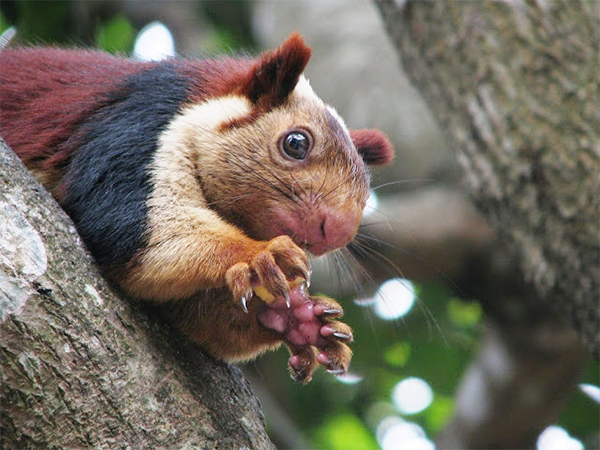 “The real threat is the slow loss and degradation of forested habitats as humans move in and as climate change impacts higher elevation areas,” said Koprowski. Still, there’s hope. The species has a wide distribution and seems to tolerate some human activity and low-density housing development.By raising awareness and implementing stronger conservation laws, we can help protect this ancient and beautiful species. “They’re part of a group of squirrels that is pretty ancient,” added Koprowski. “They’re a unique evolutionary group that’s been here a long time, which is a good thing.”
 If more people come to appreciate and protect these vibrant squirrels, they will continue to brighten the treetops of India for generations to come.
When wildlife biologist John Koprowski first encountered the Indian giant squirrel, he was stunned. During a 2006 trip to India, he initially mistook the creature for a primate due to its considerable size. Unlike the familiar grey squirrels of North America, the Indian giant squirrel—also known as the Malabar giant squirrel—is enormous, stretching up to 36 inches long, or nearly a meter. That's about twice the size of an eastern grey squirrel.
“These are giants!” said Koprowski, a professor and associate director at the University of Arizona’s School of Natural Resources and the Environment, in an interview with The Dodo. Their large size isn’t their only striking feature—their fur is absolutely breathtaking.A Coat of Many ColorsThe Indian giant squirrel boasts one of the most eye-catching coats in the animal kingdom. Their fur features an extraordinary mix of colors rarely seen in mammals—deep maroon, violet, orange, rust, brown, and jet black. These vibrant shades are more than just beautiful; they serve an important purpose.
“In the shaded understory of a dense forest, the patchy colors and dark hues are a great adaptation to avoiding detection,” explained Koprowski. The irregular patterns and deep tones help the squirrels blend into the shadows of their treetop homes. But when sunlight hits their coats, the colors shine brilliantly, revealing their full glory.Life Among the TreetopsThese remarkable squirrels are perfectly adapted to life high in the canopy of India's forests. They rarely descend to the ground and spend most of their lives leaping from branch to branch. They are capable of incredible jumps—sometimes covering distances of over 20 feet!Spotting one in the wild is no easy task. Found primarily in the forests of southern and eastern India, Malabar giant squirrels are shy and elusive. “One of my friends in India told me the best way to see them is to climb up a tree, stay very quiet, and wait for them to come out of their nests,” said Pizza Ka Yee Chow, a squirrel researcher at Hokkaido University.A Unique Diet and Appearance
Malabar giant squirrels are not just stunning—they're also unique in their behaviors and diet. According to Wikipedia, their meals include fruit, flowers, nuts, and tree bark. Some subspecies are omnivorous and have been observed eating insects and bird eggs. These squirrels also sport adorable ear tufts and strong forelimbs that aid them in climbing and foraging.Conservation: A Bright Yet Fragile Future
Fortunately, these colorful creatures are not currently classified as endangered. The International Union for Conservation of Nature (IUCN) lists the Indian giant squirrel as a species of “least concern.” However, their population is declining due to habitat loss and climate change.
“The real threat is the slow loss and degradation of forested habitats as humans move in and as climate change impacts higher elevation areas,” said Koprowski. Still, there’s hope. The species has a wide distribution and seems to tolerate some human activity and low-density housing development.By raising awareness and implementing stronger conservation laws, we can help protect this ancient and beautiful species. “They’re part of a group of squirrels that is pretty ancient,” added Koprowski. “They’re a unique evolutionary group that’s been here a long time, which is a good thing.”If more people come to appreciate and protect these vibrant squirrels, they will continue to brighten the treetops of India for generations to come.