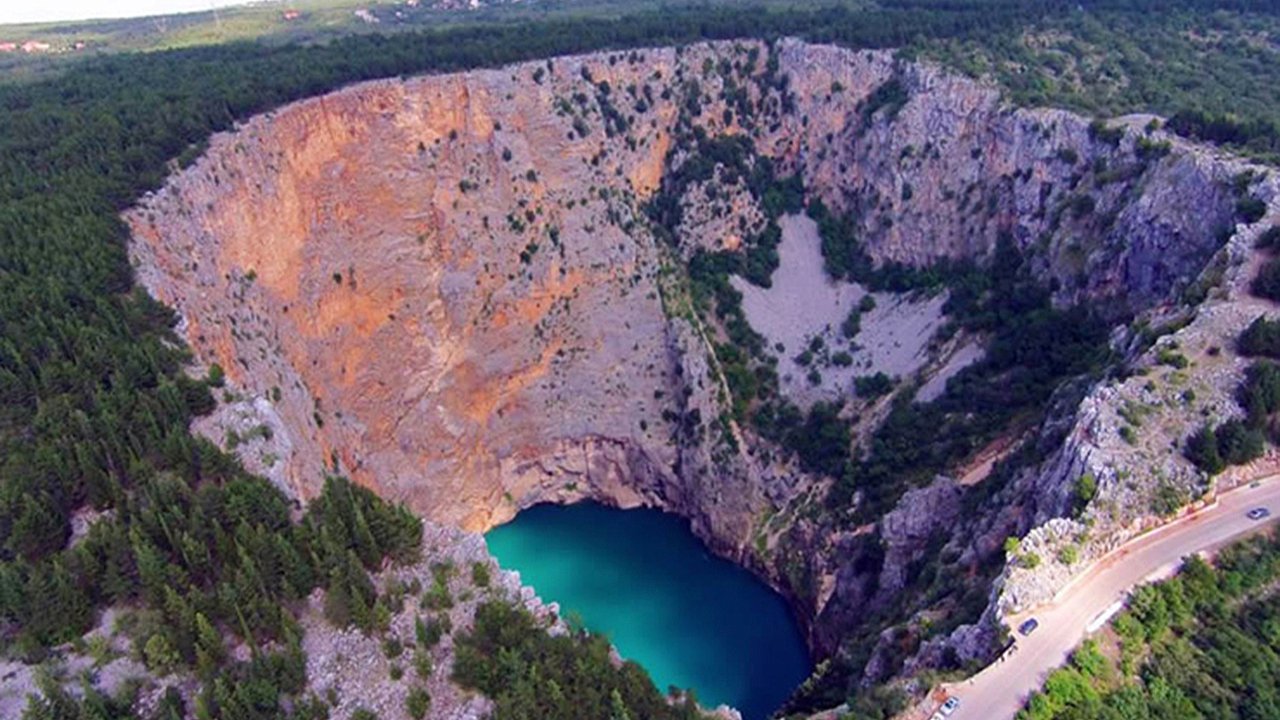
1. Xiaozhai Tiankeng – China
Depth: 2,172 ft (662 m)
Known as the Heavenly Pit, Xiaozhai Tiankeng is the world’s deepest sinkhole, located in Fengjie County. Formed by an underground river that still flows today, this limestone sinkhole also features waterfalls during the rainy season. With abundant flora and fauna, this natural marvel stretches 8.5 kilometers underground and hosts dramatic waterfalls at its mouth.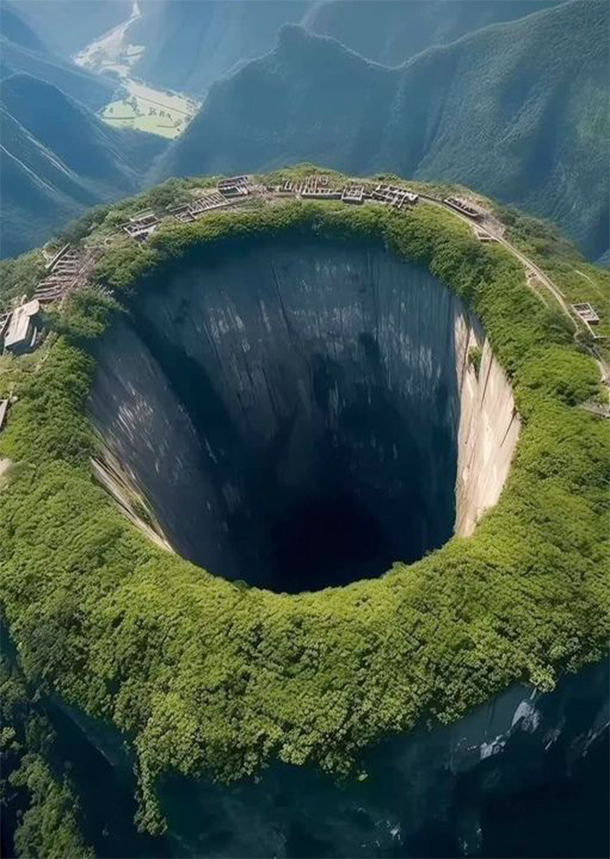 2. Crveno Jezero (Red Lake) – Croatia
Depth: 1,740 ft (530 m)
Near Imotski, Croatia, this karst lake sinkhole is known for the reddish iron-stained cliffs surrounding it. Although called Red Lake, its waters are blue. It is home to rare fish species like the spotted minnow and the endangered Imotski spined loach.
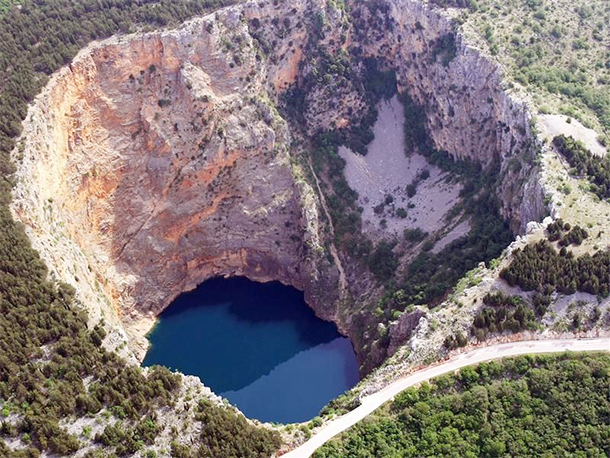 3. Sima Humboldt – Venezuela
Depth: 1,030 ft (314 m)
Perched atop the Cerro Sarisarinama mountain in Venezuela, Sima Humboldt contains a lush forest at its bottom. A second sinkhole, Sima Martel, lies just 2,300 feet from its rim. These sinkholes, located on remote flat-topped mountains, are isolated ecosystems, each offering a glimpse into hidden biodiversity.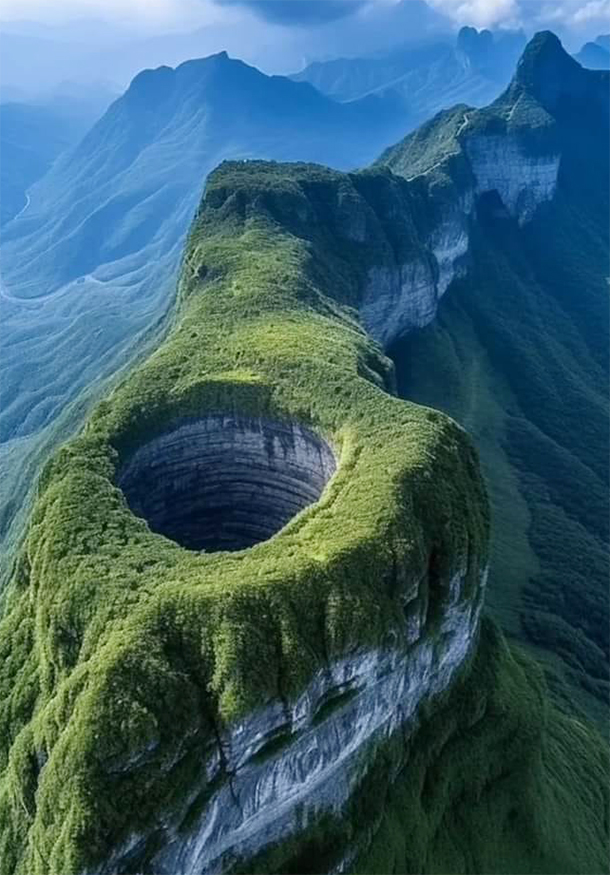 4. Dragon Hole – South China Sea
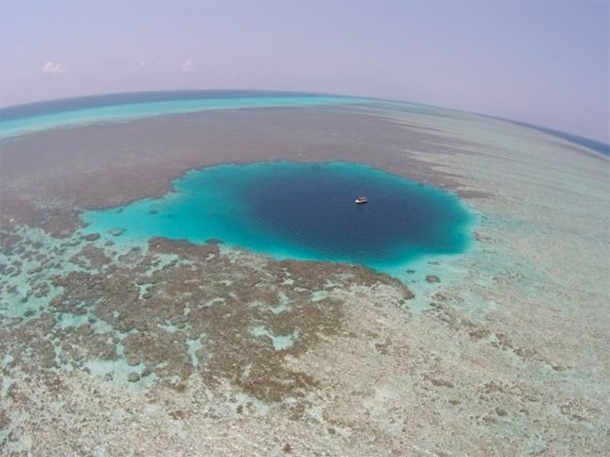
Depth: 984 ft (300 m)
Known as the Yongle Blue Hole or the "eye of the sea," Dragon Hole is the deepest blue hole on Earth. Discovered in 2016 near the Paracel Islands, it harbors diverse marine life, including corals and sharks, making it a vertical aquatic haven.
 5. Taam Ja' Blue Hole – Mexico
Depth: 900 ft (274 m)
This underwater sinkhole lies in Chetumal Bay off the Yucatán Peninsula and was discovered in 2021. Known as “deep water” in Mayan, it features steep walls with slopes reaching nearly 80 degrees. The entrance is submerged just 15 feet below the sea surface.
 6. Berezniki Sinkholes (The Grandfather) – Russia
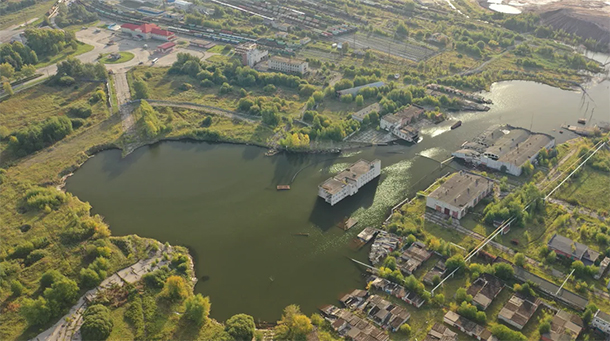
Depth: 780 ft (238 m)
The mining town of Berezniki in Russia is notorious for its frequent sinkholes, caused by the collapse of Soviet-era potash mines. The largest, called The Grandfather, opened in 2007. The region remains unstable, with many areas at risk of further collapse.
 7. Bayou Corne Sinkhole – Louisiana, USA
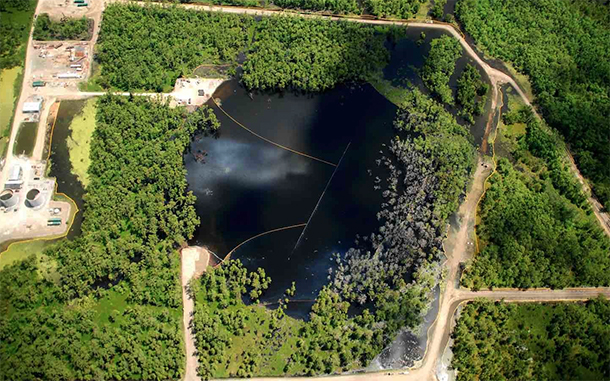
Depth: 750 ft (229 m)
Discovered in 2012 following unusual seismic activity, this sinkhole formed from a collapsed underground salt dome. It forced the evacuation of Bayou Corne, leaving behind a 30-acre lake that continues to grow.
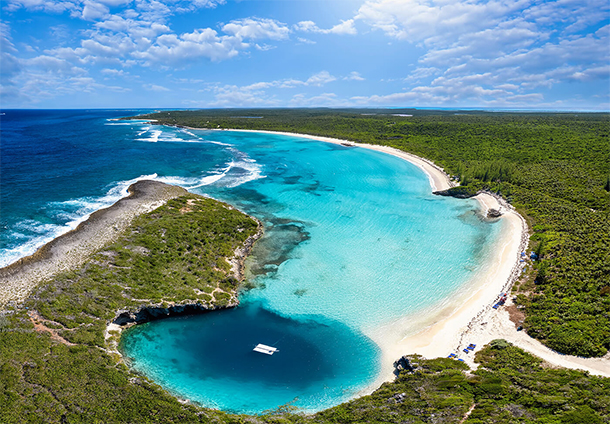
 8. Dean’s Blue Hole – Bahamas
Depth: 663 ft (202 m)
Dean’s Blue Hole, situated near Long Island in the Bahamas, is a favorite among free-divers. Surrounded by cliffs, lagoons, and beaches, it features underwater passages leading to hidden caves, adding to its allure as one of the world’s most mysterious blue holes.
 9. Copper Mine Sinkhole – Chile
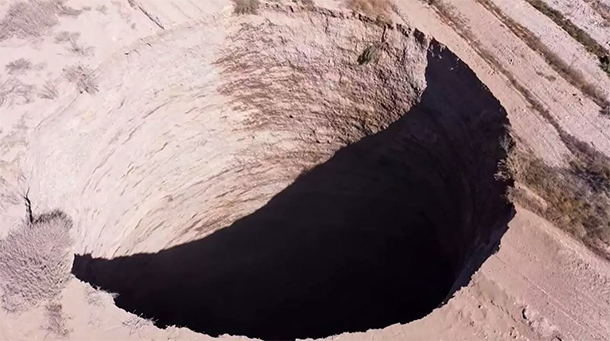
Depth: 656 ft (200 m)
In 2020, an enormous sinkhole appeared at the Alcaparrosa copper mine in Chile, measuring 104 feet in diameter. Linked to mining activities by the Lundin Mining company, this sinkhole illustrates the impact of human industry on geological stability.
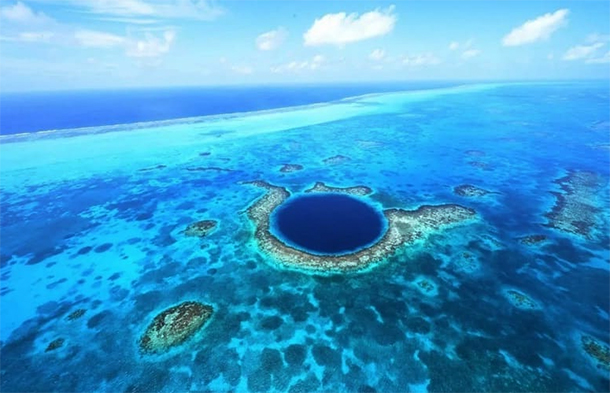
 10. Great Blue Hole – Belize
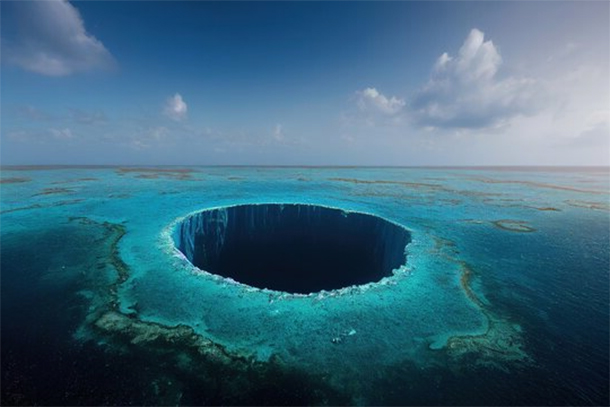
Depth: 407 ft (124 m)
Part of the Belize Barrier Reef Reserve System, this marine sinkhole is a UNESCO World Heritage site. In 2019, explorers found stalactites and even plastic waste on its floor, revealing the environmental threat of ocean pollution.
 11. Hole of Macaws – Brazil
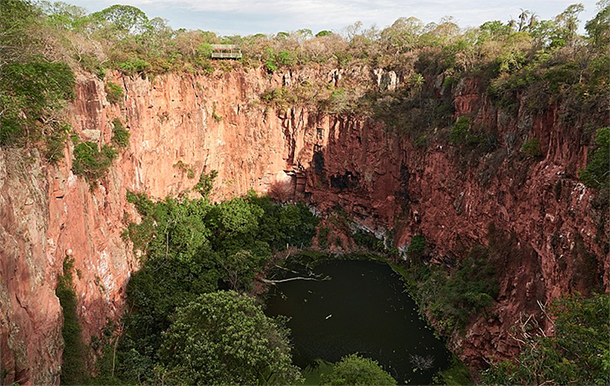
Depth: 328 ft (100 m)
Known as the Buraco das Araras, this limestone sinkhole is a nesting ground for scarlet macaws. It attracts birdwatchers from around the world and serves as an important breeding area for these vibrant birds.
 12. Devil’s Sinkhole – Texas, USA
Depth: 400 ft (122 m)
Located near Rocksprings, Texas, the Devil’s Sinkhole is a vertical limestone pit that serves as a roost for millions of Mexican free-tailed bats. This eerie sinkhole also offers guided tours to visitors eager to witness the evening bat exodus.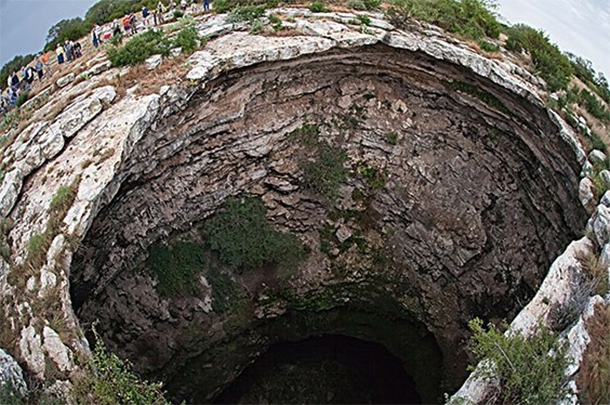 Exploring Earth's Deepest Secrets
These sinkholes, each with its own unique story, are more than geological phenomena — they offer insights into ecosystems, hidden wildlife, and even environmental issues like pollution. Whether formed by natural erosion or industrial activities, these massive chasms remind us of nature’s power to both create and destroy.
Depth: 2,172 ft (662 m)
Known as the Heavenly Pit, Xiaozhai Tiankeng is the world’s deepest sinkhole, located in Fengjie County. Formed by an underground river that still flows today, this limestone sinkhole also features waterfalls during the rainy season. With abundant flora and fauna, this natural marvel stretches 8.5 kilometers underground and hosts dramatic waterfalls at its mouth.
2. Crveno Jezero (Red Lake) – CroatiaDepth: 1,740 ft (530 m)
Near Imotski, Croatia, this karst lake sinkhole is known for the reddish iron-stained cliffs surrounding it. Although called Red Lake, its waters are blue. It is home to rare fish species like the spotted minnow and the endangered Imotski spined loach.
3. Sima Humboldt – VenezuelaDepth: 1,030 ft (314 m)
Perched atop the Cerro Sarisarinama mountain in Venezuela, Sima Humboldt contains a lush forest at its bottom. A second sinkhole, Sima Martel, lies just 2,300 feet from its rim. These sinkholes, located on remote flat-topped mountains, are isolated ecosystems, each offering a glimpse into hidden biodiversity.
4. Dragon Hole – South China SeaDepth: 984 ft (300 m)
Known as the Yongle Blue Hole or the "eye of the sea," Dragon Hole is the deepest blue hole on Earth. Discovered in 2016 near the Paracel Islands, it harbors diverse marine life, including corals and sharks, making it a vertical aquatic haven.
5. Taam Ja' Blue Hole – MexicoDepth: 900 ft (274 m)
This underwater sinkhole lies in Chetumal Bay off the Yucatán Peninsula and was discovered in 2021. Known as “deep water” in Mayan, it features steep walls with slopes reaching nearly 80 degrees. The entrance is submerged just 15 feet below the sea surface.
6. Berezniki Sinkholes (The Grandfather) – RussiaDepth: 780 ft (238 m)
The mining town of Berezniki in Russia is notorious for its frequent sinkholes, caused by the collapse of Soviet-era potash mines. The largest, called The Grandfather, opened in 2007. The region remains unstable, with many areas at risk of further collapse.
7. Bayou Corne Sinkhole – Louisiana, USADepth: 750 ft (229 m)
Discovered in 2012 following unusual seismic activity, this sinkhole formed from a collapsed underground salt dome. It forced the evacuation of Bayou Corne, leaving behind a 30-acre lake that continues to grow.
8. Dean’s Blue Hole – BahamasDepth: 663 ft (202 m)
Dean’s Blue Hole, situated near Long Island in the Bahamas, is a favorite among free-divers. Surrounded by cliffs, lagoons, and beaches, it features underwater passages leading to hidden caves, adding to its allure as one of the world’s most mysterious blue holes.
9. Copper Mine Sinkhole – ChileDepth: 656 ft (200 m)
In 2020, an enormous sinkhole appeared at the Alcaparrosa copper mine in Chile, measuring 104 feet in diameter. Linked to mining activities by the Lundin Mining company, this sinkhole illustrates the impact of human industry on geological stability.
10. Great Blue Hole – BelizeDepth: 407 ft (124 m)
Part of the Belize Barrier Reef Reserve System, this marine sinkhole is a UNESCO World Heritage site. In 2019, explorers found stalactites and even plastic waste on its floor, revealing the environmental threat of ocean pollution.
11. Hole of Macaws – BrazilDepth: 328 ft (100 m)
Known as the Buraco das Araras, this limestone sinkhole is a nesting ground for scarlet macaws. It attracts birdwatchers from around the world and serves as an important breeding area for these vibrant birds.
12. Devil’s Sinkhole – Texas, USADepth: 400 ft (122 m)
Located near Rocksprings, Texas, the Devil’s Sinkhole is a vertical limestone pit that serves as a roost for millions of Mexican free-tailed bats. This eerie sinkhole also offers guided tours to visitors eager to witness the evening bat exodus.
Exploring Earth's Deepest SecretsThese sinkholes, each with its own unique story, are more than geological phenomena — they offer insights into ecosystems, hidden wildlife, and even environmental issues like pollution. Whether formed by natural erosion or industrial activities, these massive chasms remind us of nature’s power to both create and destroy.