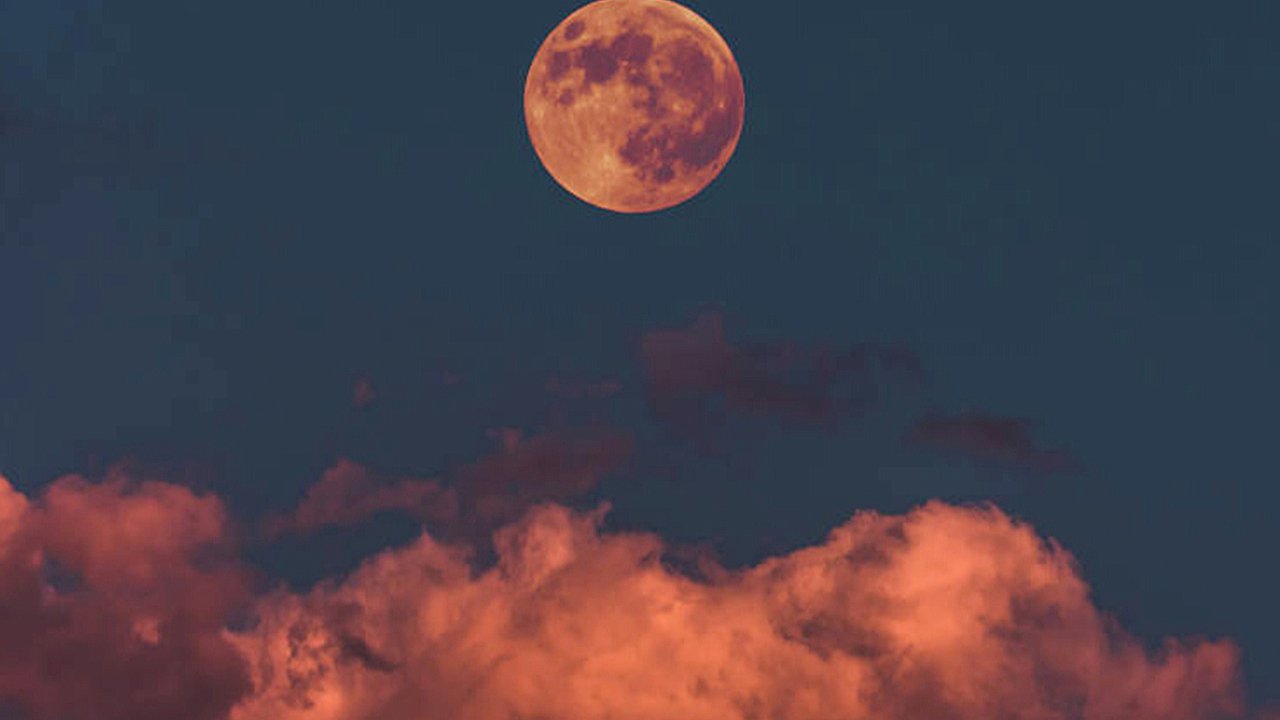
The first supermoon of 2025 rises on October 6, lighting up the night sky alongside Saturn. Learn when and where to see the stunning Harvest Supermoon, what makes it special, and how to photograph this rare lunar event.October’s first supermoon lights up the night sky
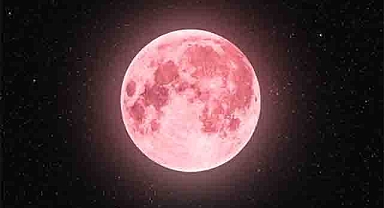
The Harvest Moon holds deep seasonal and cultural significance. It is the full moon closest to the autumnal equinox, marking the transition from summer to fall. Historically, its brilliant light guided farmers through late-night harvests, giving this moon its name. This year’s Harvest Supermoon will appear larger and brighter than usual because it coincides with the moon’s closest approach to Earth, known as perigee.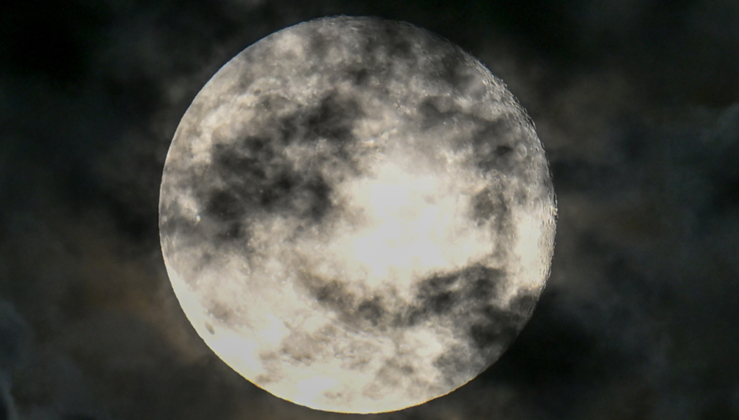 Skywatchers across the United States and beyond can look forward to a spectacular celestial display, especially as the glowing moon rises alongside Saturn, one of the most striking planets in our solar system.What makes the Harvest Supermoon specialA supermoon occurs when the full moon coincides with its perigee, the point in its orbit when it is nearest to Earth. This proximity makes the moon appear up to 14% larger and 30% brighter than when it is at its farthest point. While the size difference is subtle to the casual observer, the moon’s luminous glow and its low position on the horizon make it appear enormous and awe-inspiring.As it rises on October 6, viewers will experience the “moon illusion”—a psychological effect that makes the moon look larger when it is near the horizon. Foreground features such as trees, buildings, or hills can enhance this illusion, creating a truly dramatic scene for photographers and stargazers alike.The Harvest Moon’s light will also appear orange or golden shortly after moonrise. This happens because Earth’s atmosphere scatters shorter blue wavelengths of light while allowing longer red and yellow wavelengths to pass through, giving the moon its characteristic warm glow.Saturn joins the Harvest SupermoonAdding to the wonder of this celestial event, Saturn will shine just above and to the upper right of the full moon on the night of October 6. The ringed planet will be about 15 degrees away—roughly the width of one and a half fists held at arm’s length. This proximity will make for a captivating sight as the two bright celestial bodies share the same portion of the sky.Above them, skywatchers will also notice the Square of Pegasus, a distinctive asterism of four stars that forms a diamond shape directly above the moon. Together, these formations create a mesmerizing tableau for anyone observing from a dark location away from city lights.This alignment offers a perfect opportunity for amateur astronomers and photographers to capture rare and beautiful images. Even basic binoculars or small telescopes will reveal Saturn’s yellowish glow and perhaps its famous rings, depending on viewing conditions.How and when to view the Harvest SupermoonTo enjoy the best view of the Harvest Supermoon, step outside around sunset on October 6 and look toward the eastern horizon. The moon will begin to rise just as twilight fades, providing ideal conditions for observation. The early evening is the best time to witness the orange tint and experience the moon illusion before it climbs higher and takes on its usual silvery-white appearance.Find an open area with a clear view of the horizon, such as a beach, field, or hillside. City dwellers should head to elevated spots or parks to minimize light pollution. The moon will remain bright and visible throughout the night, reaching its highest point around midnight.If weather conditions are poor, don’t worry—the moon will still appear nearly full on October 7, offering another chance to catch its glow.Tips for photographing the Harvest Supermoon
The Harvest Moon holds deep seasonal and cultural significance. It is the full moon closest to the autumnal equinox, marking the transition from summer to fall. Historically, its brilliant light guided farmers through late-night harvests, giving this moon its name. This year’s Harvest Supermoon will appear larger and brighter than usual because it coincides with the moon’s closest approach to Earth, known as perigee.
Skywatchers across the United States and beyond can look forward to a spectacular celestial display, especially as the glowing moon rises alongside Saturn, one of the most striking planets in our solar system.What makes the Harvest Supermoon specialA supermoon occurs when the full moon coincides with its perigee, the point in its orbit when it is nearest to Earth. This proximity makes the moon appear up to 14% larger and 30% brighter than when it is at its farthest point. While the size difference is subtle to the casual observer, the moon’s luminous glow and its low position on the horizon make it appear enormous and awe-inspiring.As it rises on October 6, viewers will experience the “moon illusion”—a psychological effect that makes the moon look larger when it is near the horizon. Foreground features such as trees, buildings, or hills can enhance this illusion, creating a truly dramatic scene for photographers and stargazers alike.The Harvest Moon’s light will also appear orange or golden shortly after moonrise. This happens because Earth’s atmosphere scatters shorter blue wavelengths of light while allowing longer red and yellow wavelengths to pass through, giving the moon its characteristic warm glow.Saturn joins the Harvest SupermoonAdding to the wonder of this celestial event, Saturn will shine just above and to the upper right of the full moon on the night of October 6. The ringed planet will be about 15 degrees away—roughly the width of one and a half fists held at arm’s length. This proximity will make for a captivating sight as the two bright celestial bodies share the same portion of the sky.Above them, skywatchers will also notice the Square of Pegasus, a distinctive asterism of four stars that forms a diamond shape directly above the moon. Together, these formations create a mesmerizing tableau for anyone observing from a dark location away from city lights.This alignment offers a perfect opportunity for amateur astronomers and photographers to capture rare and beautiful images. Even basic binoculars or small telescopes will reveal Saturn’s yellowish glow and perhaps its famous rings, depending on viewing conditions.How and when to view the Harvest SupermoonTo enjoy the best view of the Harvest Supermoon, step outside around sunset on October 6 and look toward the eastern horizon. The moon will begin to rise just as twilight fades, providing ideal conditions for observation. The early evening is the best time to witness the orange tint and experience the moon illusion before it climbs higher and takes on its usual silvery-white appearance.Find an open area with a clear view of the horizon, such as a beach, field, or hillside. City dwellers should head to elevated spots or parks to minimize light pollution. The moon will remain bright and visible throughout the night, reaching its highest point around midnight.If weather conditions are poor, don’t worry—the moon will still appear nearly full on October 7, offering another chance to catch its glow.Tips for photographing the Harvest Supermoon- Capturing the Harvest Supermoon requires some preparation, but even beginners can take stunning photos. Here are a few quick tips:
- Use a tripod to prevent camera shake during longer exposures.
- Shoot at moonrise or moonset when the moon is low on the horizon for the most dramatic colors and sense of scale.
- Include landmarks or silhouettes like trees or buildings to add depth and context.
- Adjust settings manually—start with ISO 100, an aperture around f/8, and a shutter speed between 1/125 and 1/250 seconds.
- Experiment with exposure times as the brightness changes through the evening.