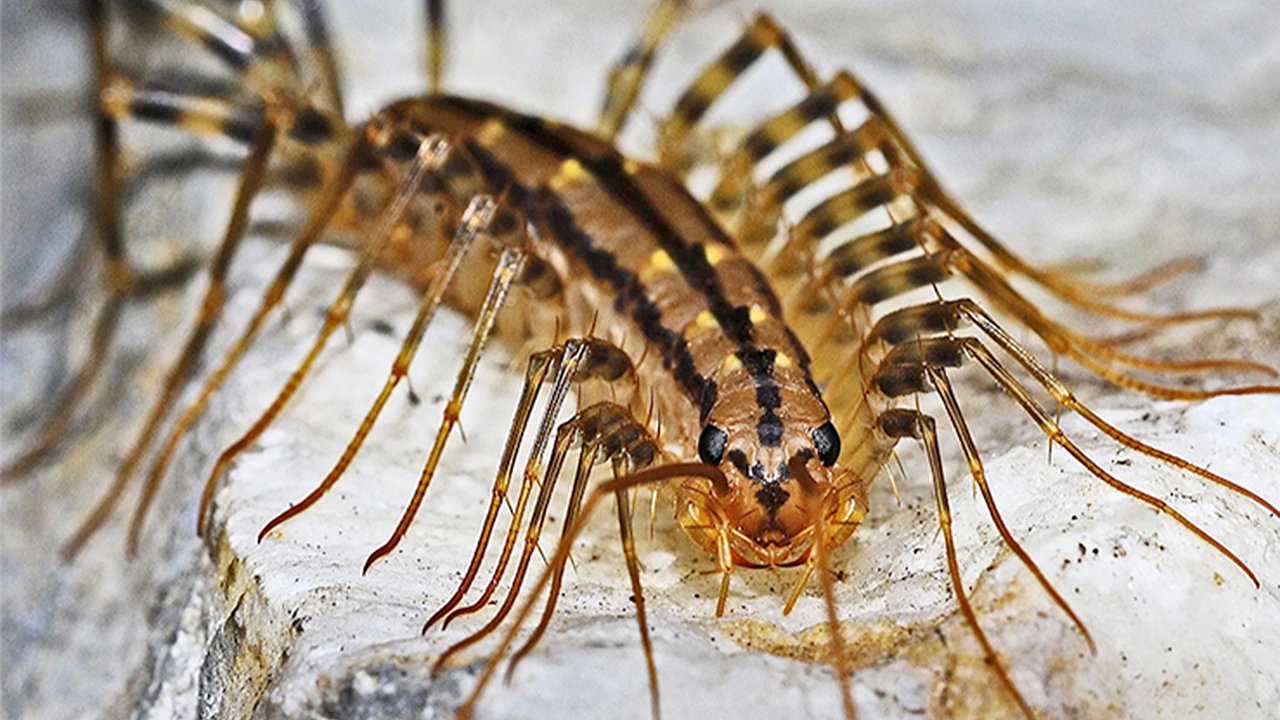
House centipedes might look creepy, but they’re secret heroes in your home. Discover why killing them could do more harm than good and what other bugs you should worry about instead.But before you smash that centipede in your bathroom or kitchen, hear this out: they might actually be doing you a huge favor. While their fast movements and alien-like legs can be terrifying, house centipedes are like little pest control agents that work for free. These critters are excellent hunters, feeding on the real nuisances—cockroaches, spiders, silverfish, ants, bedbugs, and more. In fact, their presence could mean they’re helping keep your home bug-free.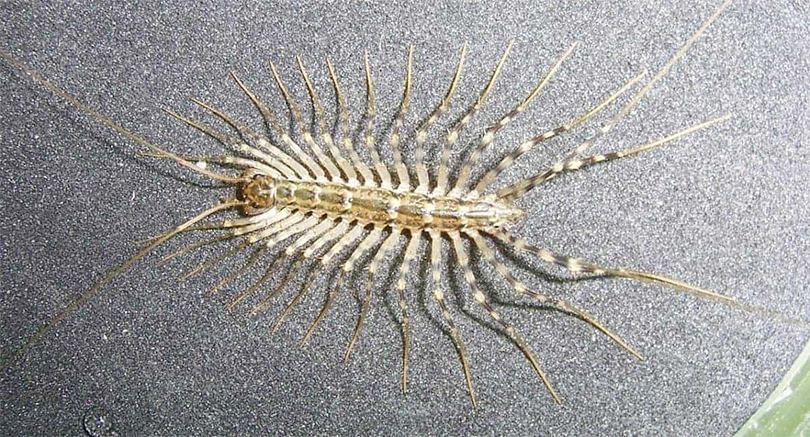 House centipedes are nothing like worms or other creepy crawlies you might find. Though some can grow quite large (up to 6 inches, not 20 feet as some myths suggest), they’re not dangerous to humans. They rarely bite, and if they do, it’s usually harmless. Their main role? To chase down and eat household pests that actually do pose a threat.So, instead of reaching for a fly swatter, consider letting them be—or gently relocating them outside. Sure, they might not win any beauty contests, and some people (kids and adults alike) find them revolting, but centipedes don’t spread germs like other bugs. In fact, they’re some of the cleanest insects you’ll find indoors.That doesn’t mean you should let an army of them move in. But spotting one or two in your home might actually be a good sign. It means they’re doing their job, keeping far worse pests at bay. Try not to squish every insect you come across. You could be disrupting nature’s balance—and accidentally allowing an invasion of spiders or cockroaches.Watch Out for These Truly Dangerous Bugs
While centipedes are mostly harmless, other insects can be downright deadly. Here are some bugs that you should avoid at all costs:
Next time you spot a house centipede, resist the urge to kill it. They may not be cute, but they’re incredibly useful. In a world full of harmful insects, house centipedes are like little bug-eating guardians. Give them a chance—and maybe your home will stay safer because of it.
House centipedes are nothing like worms or other creepy crawlies you might find. Though some can grow quite large (up to 6 inches, not 20 feet as some myths suggest), they’re not dangerous to humans. They rarely bite, and if they do, it’s usually harmless. Their main role? To chase down and eat household pests that actually do pose a threat.So, instead of reaching for a fly swatter, consider letting them be—or gently relocating them outside. Sure, they might not win any beauty contests, and some people (kids and adults alike) find them revolting, but centipedes don’t spread germs like other bugs. In fact, they’re some of the cleanest insects you’ll find indoors.That doesn’t mean you should let an army of them move in. But spotting one or two in your home might actually be a good sign. It means they’re doing their job, keeping far worse pests at bay. Try not to squish every insect you come across. You could be disrupting nature’s balance—and accidentally allowing an invasion of spiders or cockroaches.Watch Out for These Truly Dangerous BugsWhile centipedes are mostly harmless, other insects can be downright deadly. Here are some bugs that you should avoid at all costs:
- Bullet Ants: Found in Central and South American rainforests, their sting feels like getting shot. Avoid them if you're ever in those areas.
- Maggots: These are not flies, but larvae that can infect both animals and humans. They burrow under the skin, causing serious infections and tissue damage.
- Fleas: These blood-feeding parasites cause itchy bites and can transmit diseases to both pets and humans.
- Fire Ants: Aggressive and painful, their stings cause blistering wounds that can last for weeks. Some species even release toxins that trigger allergic reactions.
- Kissing Bugs: Carriers of the deadly Trypanosoma cruzi parasite, they often bite people on the lips while sleeping. This can lead to Chagas disease, which kills up to 12,000 people annually.
- Japanese Giant Hornets: These massive hornets can deliver venomous stings, causing around 40 deaths per year.
- Driver Ants: Found in African rainforests, they travel in massive swarms and can kill small animals—or seriously injure humans—with their powerful jaws.
- Mosquitoes: The most dangerous of all. Responsible for nearly one million deaths each year, mosquitoes spread malaria, dengue, Zika virus, and other deadly illnesses.
Next time you spot a house centipede, resist the urge to kill it. They may not be cute, but they’re incredibly useful. In a world full of harmful insects, house centipedes are like little bug-eating guardians. Give them a chance—and maybe your home will stay safer because of it.