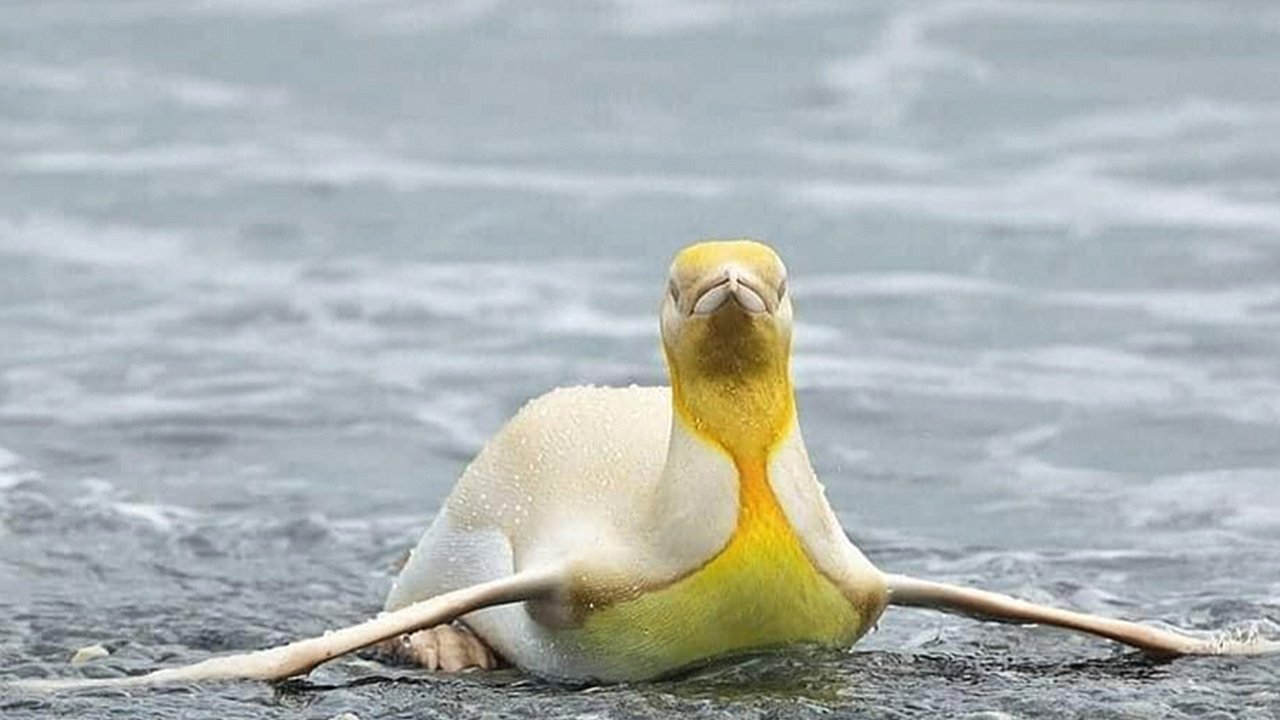
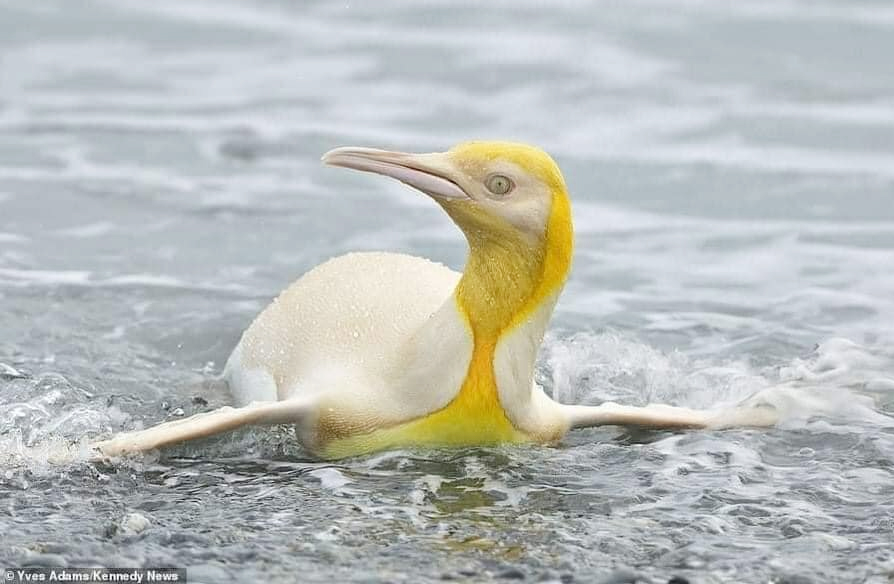
A splash of gold in a sea of black and whiteIn the icy wilderness of South Georgia, where thousands of King penguins gather in vast colonies, an astonishing sight stunned both scientists and wildlife enthusiasts. Among the countless black-and-white birds, one penguin stood out with feathers shimmering in shades of golden yellow. This striking individual was captured by Belgian wildlife photographer Yves Adams during a 2019 expedition, instantly turning a routine field trip into a once-in-a-lifetime moment.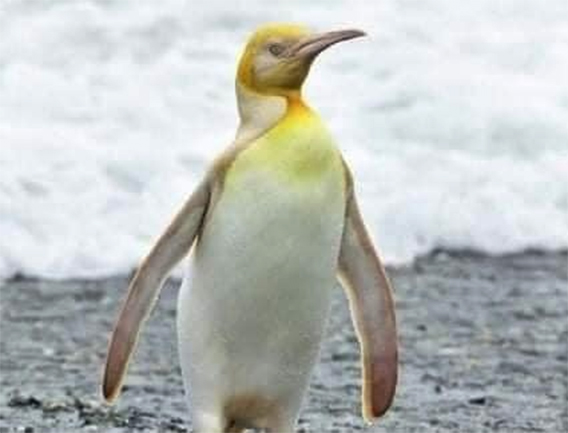 The bird’s unusual coloration was not only a photographer’s dream but also a scientific mystery that continues to spark debate. Its presence challenges what we know about penguin genetics, coloration, and survival in the wild. As images of the yellow penguin spread across the globe, it became more than a rare spectacle—it became a symbol of nature’s endless surprises.The discovery of a yellow King penguinSouth Georgia, a remote island teeming with one of the largest King penguin colonies, set the stage for this discovery. During his two-month expedition, Yves Adams spotted the bird nestled among tens of thousands of penguins. Its vibrant feathers contrasted so strongly with the colony’s typical black, white, and orange plumage that it seemed almost painted. Adams quickly realized the rarity of the moment and captured a series of breathtaking photographs that would later spark international fascination. For many, the yellow penguin was more than an oddity—it was living proof that nature never ceases to surprise.Why this penguin is one in a millionKing penguins are known for their iconic appearance, with bold markings of black, white, and bright orange. The odds of one appearing in a different shade are astronomically low. Scientists estimate the occurrence of such a rare coloration could be as rare as one in several hundred thousand, if not a million. The discovery stood out not only because of its beauty but also because it challenged assumptions about penguin biology and pigmentation. For researchers, this yellow penguin is a puzzle piece that may reveal new insights into genetics and evolutionary adaptation.Unraveling the mystery of yellow plumageThe most likely explanation for the penguin’s unusual appearance is leucism, a condition that results in partial loss of pigmentation. Unlike albinism, which completely removes melanin and affects eye color, leucism allows some pigmentation to remain—explaining why this penguin still had normal eyes. Instead of producing black or gray feathers, the bird’s pigmentation may have shifted toward yellow tones.However, other factors could also be at play. Some researchers suggest that genetics, mutations, or even diet could contribute to this remarkable plumage. Just as flamingos turn pink from carotenoid-rich foods like shrimp, the penguin’s diet may have influenced its coloration. Until further research is done, the exact cause remains an open question.How the colony might react to a yellow penguinColor plays an important role in penguin behavior. King penguins rely on their plumage for social interaction, mate attraction, and recognition within colonies. The presence of a differently colored bird raises intriguing questions: Will this yellow penguin face challenges in finding a mate, or will its uniqueness make it more appealing? Observing how the colony interacts with this unusual bird may help scientists better understand the role of coloration in social dynamics and survival.The role of photography in wildlife discoveryYves Adams’ photographs demonstrate the vital role wildlife photography plays in science. While researchers may not always be present in remote areas, photographers often document rare phenomena that later spark scientific investigation. Images like those of the yellow penguin not only inspire global wonder but also provide valuable data for researchers studying biodiversity, genetics, and conservation.
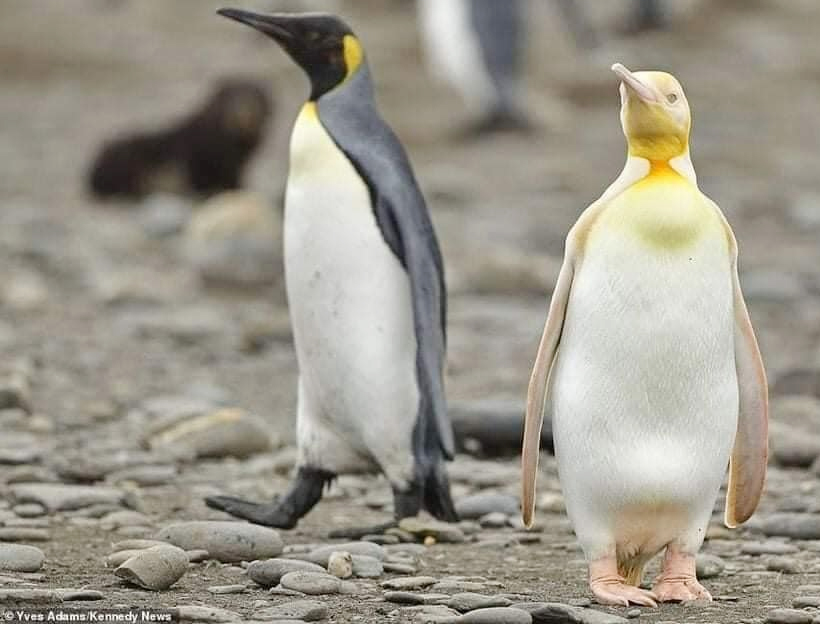 Expeditions such as Adams’ trip to South Georgia remind us that the natural world is full of undiscovered wonders. Every journey into these harsh environments offers the chance to uncover something extraordinary—like a golden-feathered penguin in a sea of black and white.King penguins and their remarkable worldKing penguins are the second-largest penguin species, surpassed only by the Emperor penguin. Standing up to 3 feet tall, they are built for life in the frigid waters of the Southern Ocean. These birds spend much of their time diving for fish and squid, returning to land to breed in massive colonies. Their vivid orange and yellow markings normally distinguish them from other species, but the rare golden penguin adds a new dimension to the species’ diversity.
 The discovery not only deepens our appreciation for King penguins but also underscores the importance of protecting their habitats. Climate change and human activity threaten the delicate balance of life in the Southern Ocean. The story of the yellow penguin reminds us that every species, and every unique individual, plays a role in Earth’s intricate web of biodiversity.A reminder of nature’s infinite creativityThe yellow King penguin is more than just a beautiful anomaly—it is a living testament to nature’s ability to surprise, adapt, and inspire. Its appearance challenges our understanding of genetics, sparks curiosity among scientists, and captures the imagination of people worldwide. Thanks to the power of photography, this extraordinary bird has stepped into the global spotlight, urging us to look closer at the natural world and protect its rare wonders.
The bird’s unusual coloration was not only a photographer’s dream but also a scientific mystery that continues to spark debate. Its presence challenges what we know about penguin genetics, coloration, and survival in the wild. As images of the yellow penguin spread across the globe, it became more than a rare spectacle—it became a symbol of nature’s endless surprises.The discovery of a yellow King penguinSouth Georgia, a remote island teeming with one of the largest King penguin colonies, set the stage for this discovery. During his two-month expedition, Yves Adams spotted the bird nestled among tens of thousands of penguins. Its vibrant feathers contrasted so strongly with the colony’s typical black, white, and orange plumage that it seemed almost painted. Adams quickly realized the rarity of the moment and captured a series of breathtaking photographs that would later spark international fascination. For many, the yellow penguin was more than an oddity—it was living proof that nature never ceases to surprise.Why this penguin is one in a millionKing penguins are known for their iconic appearance, with bold markings of black, white, and bright orange. The odds of one appearing in a different shade are astronomically low. Scientists estimate the occurrence of such a rare coloration could be as rare as one in several hundred thousand, if not a million. The discovery stood out not only because of its beauty but also because it challenged assumptions about penguin biology and pigmentation. For researchers, this yellow penguin is a puzzle piece that may reveal new insights into genetics and evolutionary adaptation.Unraveling the mystery of yellow plumageThe most likely explanation for the penguin’s unusual appearance is leucism, a condition that results in partial loss of pigmentation. Unlike albinism, which completely removes melanin and affects eye color, leucism allows some pigmentation to remain—explaining why this penguin still had normal eyes. Instead of producing black or gray feathers, the bird’s pigmentation may have shifted toward yellow tones.However, other factors could also be at play. Some researchers suggest that genetics, mutations, or even diet could contribute to this remarkable plumage. Just as flamingos turn pink from carotenoid-rich foods like shrimp, the penguin’s diet may have influenced its coloration. Until further research is done, the exact cause remains an open question.How the colony might react to a yellow penguinColor plays an important role in penguin behavior. King penguins rely on their plumage for social interaction, mate attraction, and recognition within colonies. The presence of a differently colored bird raises intriguing questions: Will this yellow penguin face challenges in finding a mate, or will its uniqueness make it more appealing? Observing how the colony interacts with this unusual bird may help scientists better understand the role of coloration in social dynamics and survival.The role of photography in wildlife discoveryYves Adams’ photographs demonstrate the vital role wildlife photography plays in science. While researchers may not always be present in remote areas, photographers often document rare phenomena that later spark scientific investigation. Images like those of the yellow penguin not only inspire global wonder but also provide valuable data for researchers studying biodiversity, genetics, and conservation.Expeditions such as Adams’ trip to South Georgia remind us that the natural world is full of undiscovered wonders. Every journey into these harsh environments offers the chance to uncover something extraordinary—like a golden-feathered penguin in a sea of black and white.King penguins and their remarkable worldKing penguins are the second-largest penguin species, surpassed only by the Emperor penguin. Standing up to 3 feet tall, they are built for life in the frigid waters of the Southern Ocean. These birds spend much of their time diving for fish and squid, returning to land to breed in massive colonies. Their vivid orange and yellow markings normally distinguish them from other species, but the rare golden penguin adds a new dimension to the species’ diversity.The discovery not only deepens our appreciation for King penguins but also underscores the importance of protecting their habitats. Climate change and human activity threaten the delicate balance of life in the Southern Ocean. The story of the yellow penguin reminds us that every species, and every unique individual, plays a role in Earth’s intricate web of biodiversity.A reminder of nature’s infinite creativityThe yellow King penguin is more than just a beautiful anomaly—it is a living testament to nature’s ability to surprise, adapt, and inspire. Its appearance challenges our understanding of genetics, sparks curiosity among scientists, and captures the imagination of people worldwide. Thanks to the power of photography, this extraordinary bird has stepped into the global spotlight, urging us to look closer at the natural world and protect its rare wonders.