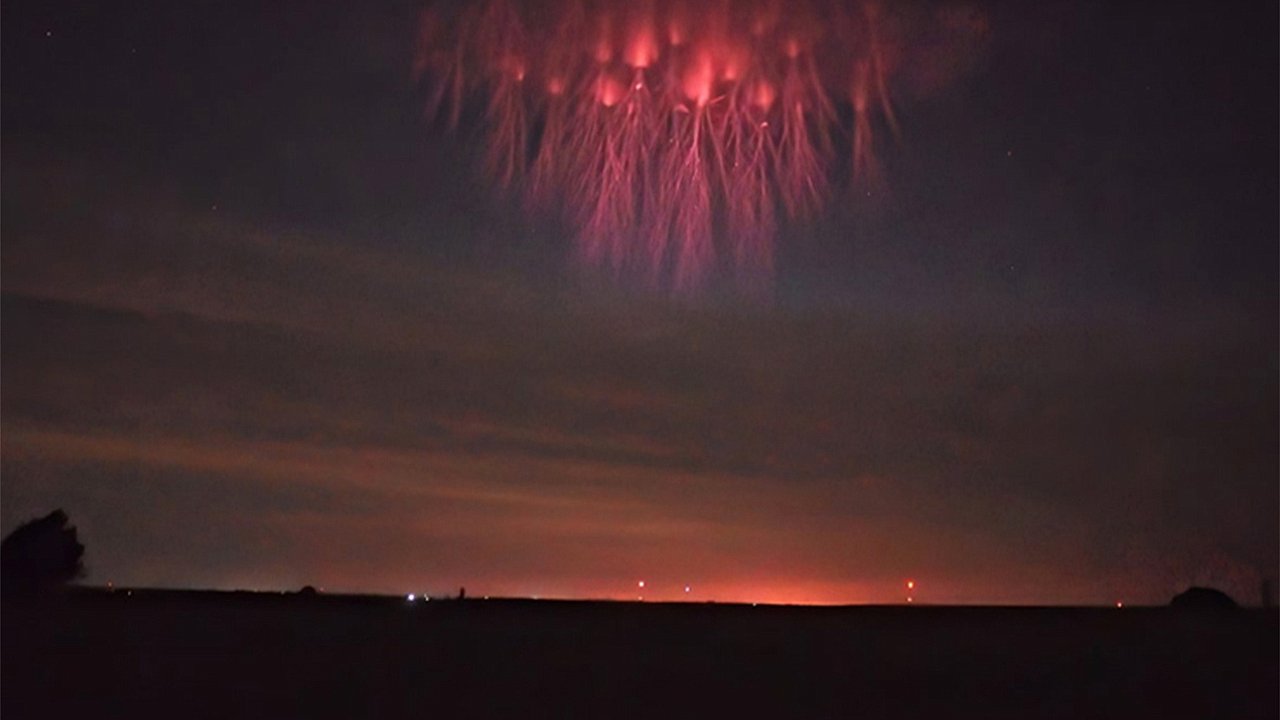
These fleeting, firework-like bursts of red-orange light are not man-made, but the result of electrical discharges caused by positive lightning—an elusive atmospheric phenomenon still not fully understood. For photographer Paul M. Smith, these surreal sights have become the centerpiece of his life's work. Nicknamed the “sprite chaser,” Smith has traveled extensively throughout North America in pursuit of these incredible natural events. With camera in hand, he captures red sprites in all their glory and shares their wonder through workshops and photography tours. “To me, they are among the most visually captivating phenomena in nature,” Smith shares in an interview with My Modern Met. “They possess a kind of beauty that is hard to describe, and the fact that science is still unraveling how they work makes them all the more fascinating. Every photo could hold a key to understanding them better.”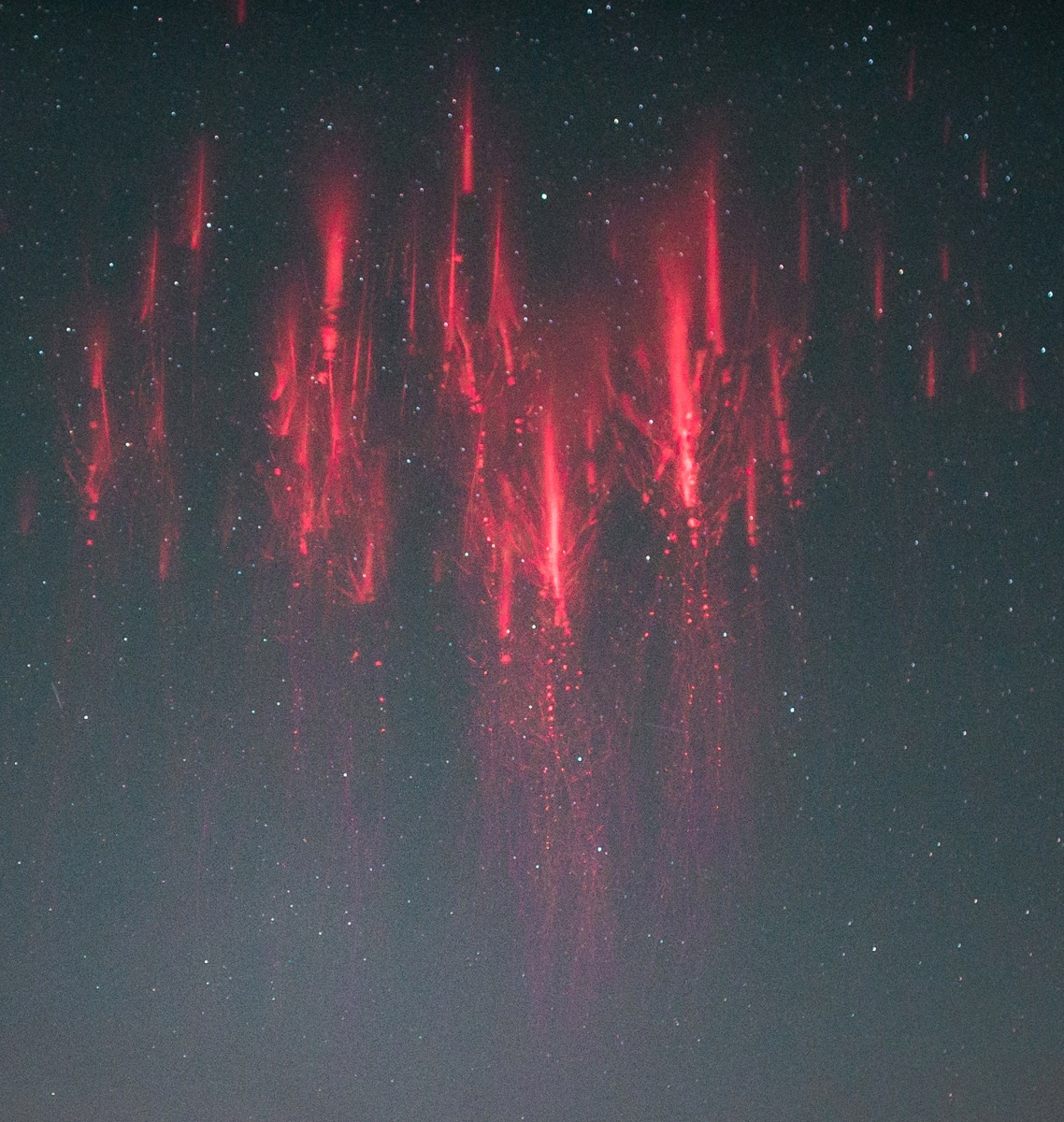 It’s remarkable to think that the first documented photograph of a red sprite wasn’t taken until 1989. Since then, capturing them remains a rare and challenging feat—something Smith has managed to do time and again thanks to his specialized knowledge. His success is the result of a blend of weather forecasting skills, scientific research, and mastery of photographic equipment. These tools allow him to anticipate ideal conditions for sprite activity and be in the right place at just the right moment.
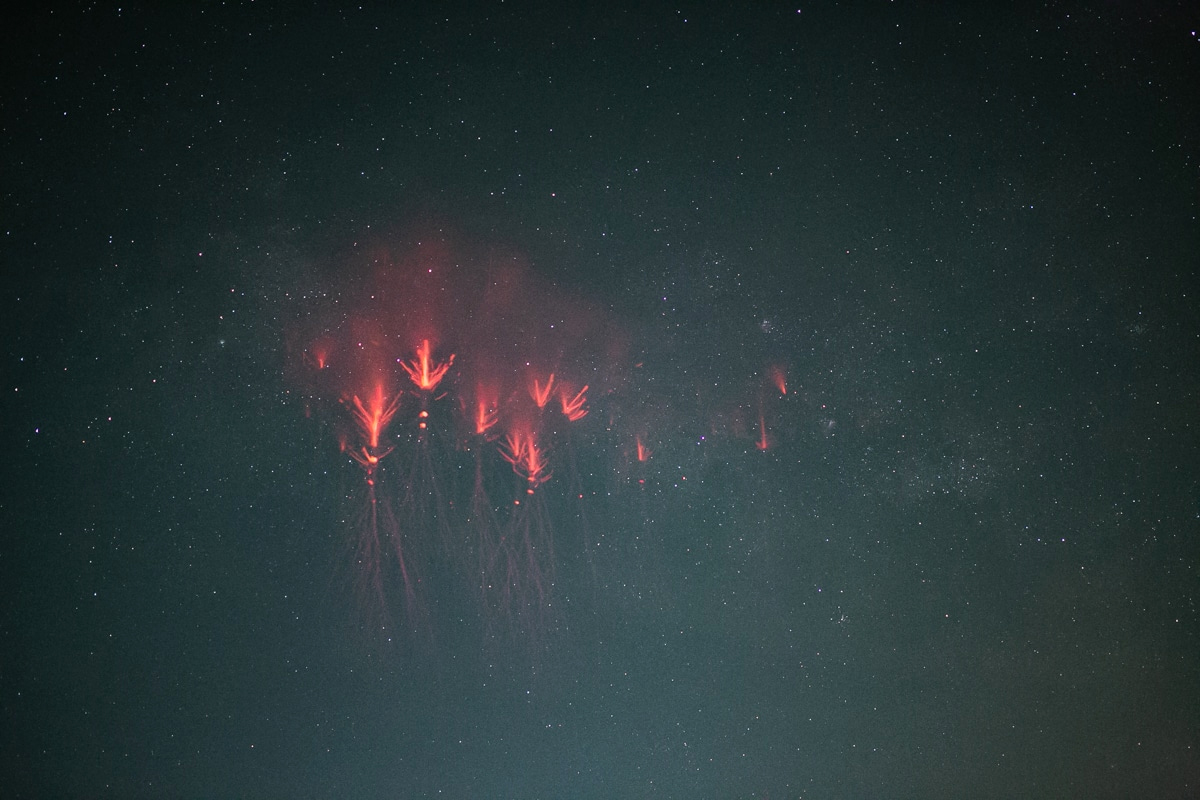 Smith’s dedication goes beyond the images. He hopes his work will inspire others to be curious about the less-visible forces of nature. “There’s something humbling in realizing how much we still don’t know about our own planet,” he explains. “Sprites and other transient luminous events offer a glimpse into the upper atmosphere—one of the least understood regions of Earth. It’s exciting to think how much more there is to discover.”
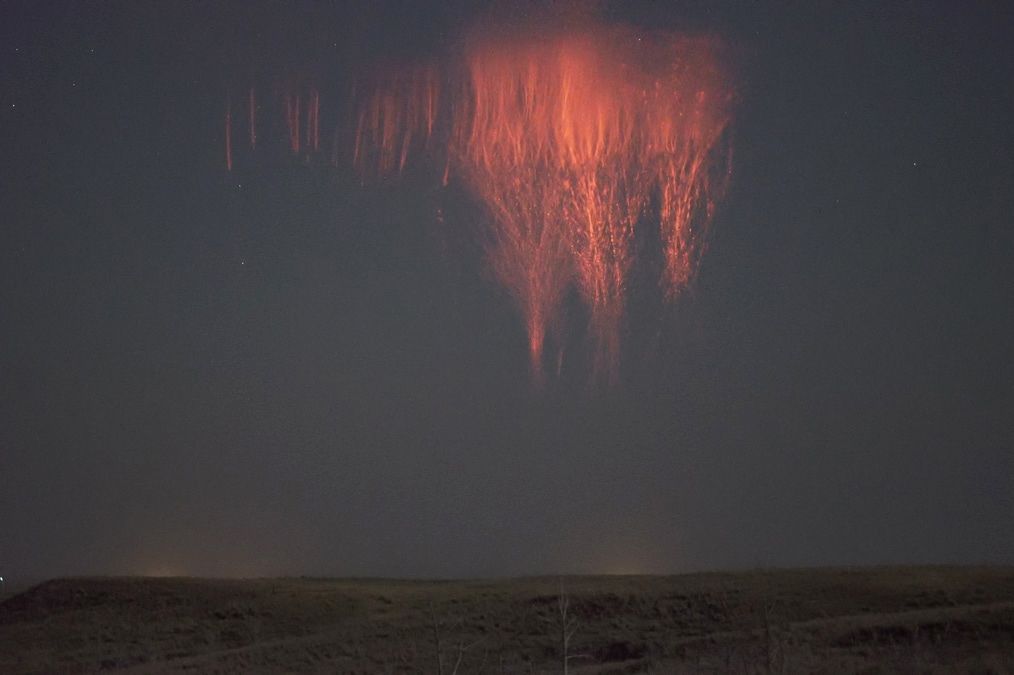 Through his travels and imagery, Paul M. Smith opens a window into the mysteries of the sky, proving that even in the modern age, nature still holds secrets waiting to be revealed.
It’s remarkable to think that the first documented photograph of a red sprite wasn’t taken until 1989. Since then, capturing them remains a rare and challenging feat—something Smith has managed to do time and again thanks to his specialized knowledge. His success is the result of a blend of weather forecasting skills, scientific research, and mastery of photographic equipment. These tools allow him to anticipate ideal conditions for sprite activity and be in the right place at just the right moment.Smith’s dedication goes beyond the images. He hopes his work will inspire others to be curious about the less-visible forces of nature. “There’s something humbling in realizing how much we still don’t know about our own planet,” he explains. “Sprites and other transient luminous events offer a glimpse into the upper atmosphere—one of the least understood regions of Earth. It’s exciting to think how much more there is to discover.”Through his travels and imagery, Paul M. Smith opens a window into the mysteries of the sky, proving that even in the modern age, nature still holds secrets waiting to be revealed.