Chimpanzee escape highlights safety and innovation at Indianapolis Zoo
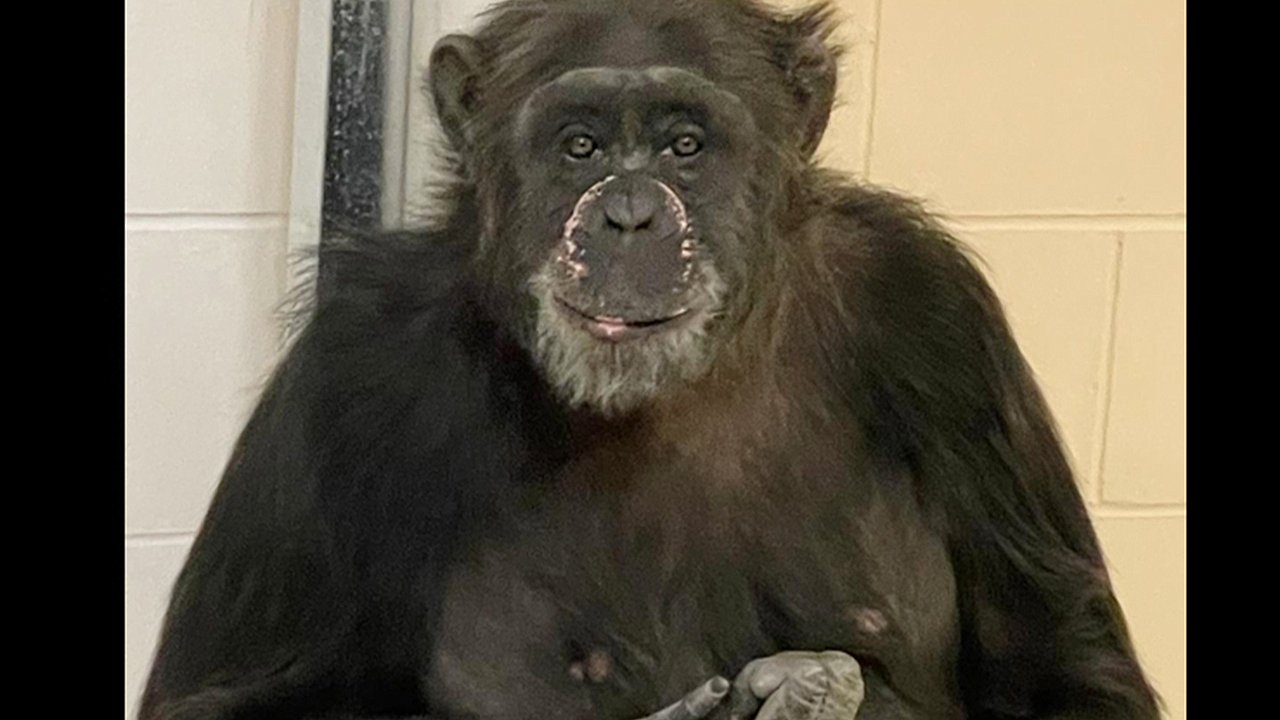
A brief but attention-grabbing incident unfolded at the indianapolis zoo when a female Chimpanzee was spotted outside the International Chimpanzee Complex around 10 a.m. on Nov. 14. The unexpected escape prompted an immediate zoo-wide lockdown, during which guests were guided to safe, secure locations while trained teams worked quickly to assess the situation. According to zoo officials, visitors were never in danger thanks to the facility’s established emergency protocols and the rapid response of animal care and security staff.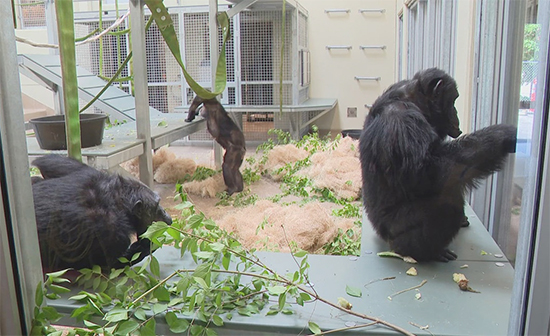 Within a short period, the chimpanzee was safely sedated and returned to her enclosure without any injuries to animals, staff, or guests. The zoo fully reopened after confirming that the environment was secure and all protocols had been properly followed. Although rare, incidents like these shine a spotlight on the balance between providing enriched environments for intelligent animals and ensuring public safety. The escape also renewed public interest in the International Chimpanzee Complex, one of the nation’s most advanced primate habitats. This article explores what happened, why the exhibit stands out, and how the zoo’s design and staff training contributed to a safe and successful resolution.How zoo officials responded to the chimpanzee’s escape
The Indianapolis Zoo enacted a textbook safety response as soon as the chimpanzee was discovered outside its designated habitat. Lockdown procedures were activated immediately, restricting movement throughout the grounds and ensuring visitors remained in protected spaces. Trained staff monitored the chimpanzee’s location and behavior, relying on established communication channels to coordinate the response.Veterinary and animal care teams were mobilized to safely sedate the chimpanzee using non-harmful methods commonly employed in wildlife management. Once sedated, the animal was transported back to the enclosure and monitored closely as it recovered. Zoo representatives emphasized that at no point were guests close to the chimpanzee or in imminent danger. Their professionalism minimized potential risks, allowing the zoo to resume normal operations later that day.The incident serves as a reminder that even within cutting-edge facilities, intelligent primates may occasionally test barriers or explore unexpected opportunities. What matters most is how quickly and effectively staff react—as demonstrated in this case.Features of the International Chimpanzee Complex
The International Chimpanzee Complex, which opened over Memorial Day weekend in 2024, has quickly become one of the Indianapolis Zoo’s signature attractions. Designed with an emphasis on animal comfort, mobility, and psychological well-being, the complex can house up to 30 chimpanzees, making it one of the largest chimpanzee communities in the United States.A standout feature of the exhibit is its elevated trail system, which stretches hundreds of feet and allows chimpanzees to roam above visitor pathways. This setup gives the animals freedom to choose where they want to spend their time, promoting natural behaviors, exploration, and social interaction. It also creates immersive, spontaneous encounters for visitors who may see the chimpanzees moving across the trail or interacting with their environment at eye level.Zoo president and CEO Dr. Rob Shumaker has emphasized that the exhibit is intentionally designed from the animals’ point of view first. By prioritizing flexibility and enrichment, the zoo aims to foster moments that deepen visitors’ understanding of chimpanzee behavior, intelligence, and social dynamics.Why enriched habitats sometimes lead to unexpected behavior
While the chimpanzee’s brief escape may surprise some guests, behaviorists note that enriched and complex environments—especially those designed for highly intelligent species—can occasionally contribute to unexpected actions. Chimpanzees are known for problem-solving, curiosity, and adaptability, qualities that make them fascinating to observe but challenging to contain perfectly at all times.Modern zoos aim to strike a balance between providing adequate stimulation and maintaining secure boundaries. The International Chimpanzee Complex incorporates climbing structures, hidden food opportunities, and varied vantage points to keep the animals mentally and physically engaged. Such features are essential for welfare but also require ongoing assessment to ensure habitats remain escape-proof.The Indianapolis Zoo’s swift response demonstrates that even with rare incidents, preparation and training are key to maintaining safety in dynamic animal environments.What this event means for future zoo visits
Despite the fleeting escape, the Indianapolis Zoo remains a safe destination for families, students, and wildlife enthusiasts. The zoo’s quick action and transparent communication reinforced public confidence while highlighting the complexity of caring for great apes in cutting-edge habitats.Future visitors can expect the same immersive experience the International Chimpanzee Complex was designed to offer—up-close views of chimpanzees exploring, socializing, and sometimes surprising their audience. As zoos evolve to prioritize enrichment and education, occasional challenges like this one become part of a broader conversation about animal intelligence and welfare.The incident ultimately underscores how modern zoological facilities work tirelessly to balance visitor experience with animal care, safety, and scientific advancement. The Indianapolis Zoo’s handling of the situation, combined with the innovative design of its chimpanzee habitat, positions it as a leading example of responsible wildlife management.
A brief but attention-grabbing incident unfolded at the indianapolis zoo when a female Chimpanzee was spotted outside the International Chimpanzee Complex around 10 a.m. on Nov. 14. The unexpected escape prompted an immediate zoo-wide lockdown, during which guests were guided to safe, secure locations while trained teams worked quickly to assess the situation. According to zoo officials, visitors were never in danger thanks to the facility’s established emergency protocols and the rapid response of animal care and security staff.
Within a short period, the chimpanzee was safely sedated and returned to her enclosure without any injuries to animals, staff, or guests. The zoo fully reopened after confirming that the environment was secure and all protocols had been properly followed. Although rare, incidents like these shine a spotlight on the balance between providing enriched environments for intelligent animals and ensuring public safety. The escape also renewed public interest in the International Chimpanzee Complex, one of the nation’s most advanced primate habitats. This article explores what happened, why the exhibit stands out, and how the zoo’s design and staff training contributed to a safe and successful resolution.How zoo officials responded to the chimpanzee’s escapeThe Indianapolis Zoo enacted a textbook safety response as soon as the chimpanzee was discovered outside its designated habitat. Lockdown procedures were activated immediately, restricting movement throughout the grounds and ensuring visitors remained in protected spaces. Trained staff monitored the chimpanzee’s location and behavior, relying on established communication channels to coordinate the response.Veterinary and animal care teams were mobilized to safely sedate the chimpanzee using non-harmful methods commonly employed in wildlife management. Once sedated, the animal was transported back to the enclosure and monitored closely as it recovered. Zoo representatives emphasized that at no point were guests close to the chimpanzee or in imminent danger. Their professionalism minimized potential risks, allowing the zoo to resume normal operations later that day.The incident serves as a reminder that even within cutting-edge facilities, intelligent primates may occasionally test barriers or explore unexpected opportunities. What matters most is how quickly and effectively staff react—as demonstrated in this case.Features of the International Chimpanzee Complex
The International Chimpanzee Complex, which opened over Memorial Day weekend in 2024, has quickly become one of the Indianapolis Zoo’s signature attractions. Designed with an emphasis on animal comfort, mobility, and psychological well-being, the complex can house up to 30 chimpanzees, making it one of the largest chimpanzee communities in the United States.A standout feature of the exhibit is its elevated trail system, which stretches hundreds of feet and allows chimpanzees to roam above visitor pathways. This setup gives the animals freedom to choose where they want to spend their time, promoting natural behaviors, exploration, and social interaction. It also creates immersive, spontaneous encounters for visitors who may see the chimpanzees moving across the trail or interacting with their environment at eye level.Zoo president and CEO Dr. Rob Shumaker has emphasized that the exhibit is intentionally designed from the animals’ point of view first. By prioritizing flexibility and enrichment, the zoo aims to foster moments that deepen visitors’ understanding of chimpanzee behavior, intelligence, and social dynamics.Why enriched habitats sometimes lead to unexpected behavior
While the chimpanzee’s brief escape may surprise some guests, behaviorists note that enriched and complex environments—especially those designed for highly intelligent species—can occasionally contribute to unexpected actions. Chimpanzees are known for problem-solving, curiosity, and adaptability, qualities that make them fascinating to observe but challenging to contain perfectly at all times.Modern zoos aim to strike a balance between providing adequate stimulation and maintaining secure boundaries. The International Chimpanzee Complex incorporates climbing structures, hidden food opportunities, and varied vantage points to keep the animals mentally and physically engaged. Such features are essential for welfare but also require ongoing assessment to ensure habitats remain escape-proof.The Indianapolis Zoo’s swift response demonstrates that even with rare incidents, preparation and training are key to maintaining safety in dynamic animal environments.What this event means for future zoo visits
Despite the fleeting escape, the Indianapolis Zoo remains a safe destination for families, students, and wildlife enthusiasts. The zoo’s quick action and transparent communication reinforced public confidence while highlighting the complexity of caring for great apes in cutting-edge habitats.Future visitors can expect the same immersive experience the International Chimpanzee Complex was designed to offer—up-close views of chimpanzees exploring, socializing, and sometimes surprising their audience. As zoos evolve to prioritize enrichment and education, occasional challenges like this one become part of a broader conversation about animal intelligence and welfare.The incident ultimately underscores how modern zoological facilities work tirelessly to balance visitor experience with animal care, safety, and scientific advancement. The Indianapolis Zoo’s handling of the situation, combined with the innovative design of its chimpanzee habitat, positions it as a leading example of responsible wildlife management.