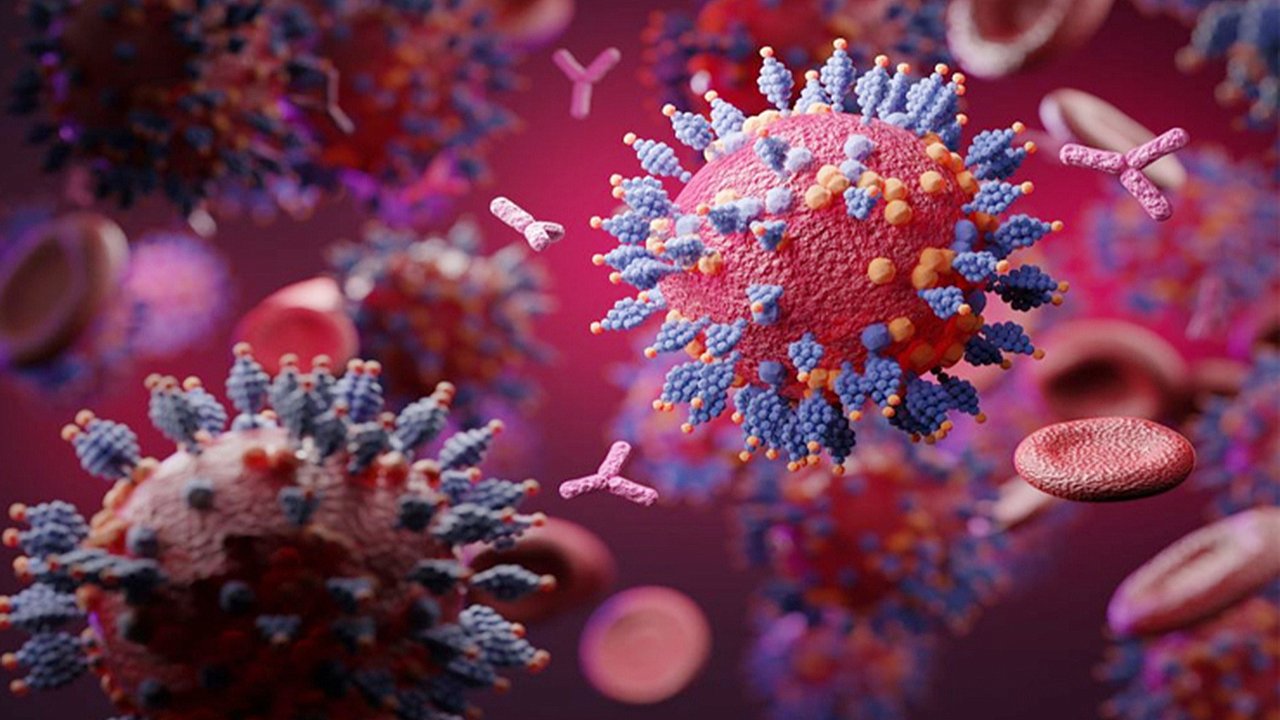
Covid-19 may no longer dominate global headlines as it once did, but the virus has not disappeared. In 2025, new variants are driving fresh waves of infections in the U.S., the U.K., and parts of Asia, though with less severe outcomes than in previous years. The latest strain, known as Stratus (XFG), first detected in March, has quickly become dominant, replacing the previously widespread Nimbus (NB.1.8.1).Unlike the early years of the pandemic, when Covid caused widespread hospitalizations, respiratory collapse, and a high mortality rate, the virus now behaves more like a stubborn cold or flu. Symptoms such as sore throat, cough, nasal congestion, fatigue, fever, and occasional loss of taste or smell are common, while life-threatening pneumonia has become far less frequent. Thanks to widespread vaccination campaigns, improved treatments, and natural immunity built up over years of exposure, the disease is now significantly milder for most people. Still, vulnerable groups—such as the elderly, the immunocompromised, and those with chronic illnesses—remain at risk of complications.Covid symptoms in 2025Doctors say the illness today often mimics a severe cold or influenza-like infection. The most frequently reported symptoms include:
“Covid has evolved into a milder disease, presenting mainly as an upper respiratory illness. Symptoms are less drastic, and hospitalizations have fallen sharply. Vaccination and immunity from prior waves play a key role in limiting severity.”
“Covid today looks like a strong flu episode rather than the deadly disease of 2020. Mortality has dropped below 1%, and severe cases are far less frequent. Still, caution is needed for those with chronic illnesses or weak immunity.”Long Covid and ongoing risksEven with milder infections, Covid continues to leave lasting effects for some. Studies published in Nature suggest that long-Covid symptoms—such as fatigue, brain fog, and shortness of breath—can persist for up to two years after initial infection. While the number of new long-Covid cases has fallen since the Delta and early Omicron waves, it remains a public health concern.The World Health Organization also warns that older adults, people with diabetes, lung disease, or compromised immunity remain at higher risk. Preventive measures such as booster vaccines, masking in crowded spaces, and early treatment for vulnerable groups remain important.The road aheadFive years after the pandemic began, Covid is no longer the same global emergency it once was. Instead, it has become a manageable seasonal infection—disruptive, but less deadly. The journey from Wuhan to Delta, Omicron, Nimbus, and now Stratus reflects how both science and natural evolution have reshaped the virus’s impact.While experts remain cautious about new mutations, the consensus is clear: Covid is now part of everyday life, and society has learned to adapt.
- Sore or “razor-blade” throat
- Persistent cough
- Runny or congested nose
- Fever or chills
- Headaches and body aches
- Fatigue and weakness
- Shortness of breath in some cases
- Loss of taste or smell, though less frequent than in 2020–2021
“Covid has evolved into a milder disease, presenting mainly as an upper respiratory illness. Symptoms are less drastic, and hospitalizations have fallen sharply. Vaccination and immunity from prior waves play a key role in limiting severity.”
- Stratus and Nimbus: the dominant variants
- Two strains currently stand out in global circulation.
- Stratus (XFG variant): Associated with fatigue, cough, fever, sore throat, hoarseness, and in some cases chest discomfort. Some patients report difficulty staying awake or concentrating.
- Nimbus (NB.1.8.1 variant): Known for the intense “razor-blade sore throat,” along with body aches, cough, congestion, and occasional gastrointestinal issues.
- 2020 – Wuhan strain: High fever, dry cough, extreme fatigue, and significant loss of smell and taste. Severe lower-respiratory involvement was common.
- 2021 – Alpha, Beta, Delta variants: Symptoms were similar but more dangerous, with acute oxygen deficiency and high hospitalization rates. Delta, in particular, led to global crises.
- 2022 – Omicron era: Symptoms shifted toward cold-like illness—runny nose, sore throat, sneezing, headaches, and fatigue. Loss of smell/taste became less common, though night sweats appeared in some cases.
- 2023 – Post-Omicron subvariants: Continued trend of mild, non-specific cold symptoms. Long-Covid became less frequent compared to the Delta period.
- 2024 – JN.1 strain: Headaches, cough, and runny nose were dominant. Symptoms were mild but widespread, leading to seasonal surges.
- 2025 – Stratus, Nimbus, FLiRT (KP.2): Symptoms are largely upper-respiratory, with sore throats described as sharp or razor-like. Severe disease is rare, but not impossible, especially in at-risk populations.
- Vaccination: Billions worldwide have received multiple doses, greatly lowering the risk of hospitalization and death.
- Hybrid immunity: A combination of prior infections and vaccines has built strong population-level immunity.
- Virus evolution: While more transmissible, recent variants tend to stay in the upper respiratory tract rather than causing deep lung infections.
- Improved treatments: Antivirals, monoclonal therapies, and better supportive care help limit complications.
“Covid today looks like a strong flu episode rather than the deadly disease of 2020. Mortality has dropped below 1%, and severe cases are far less frequent. Still, caution is needed for those with chronic illnesses or weak immunity.”Long Covid and ongoing risksEven with milder infections, Covid continues to leave lasting effects for some. Studies published in Nature suggest that long-Covid symptoms—such as fatigue, brain fog, and shortness of breath—can persist for up to two years after initial infection. While the number of new long-Covid cases has fallen since the Delta and early Omicron waves, it remains a public health concern.The World Health Organization also warns that older adults, people with diabetes, lung disease, or compromised immunity remain at higher risk. Preventive measures such as booster vaccines, masking in crowded spaces, and early treatment for vulnerable groups remain important.The road aheadFive years after the pandemic began, Covid is no longer the same global emergency it once was. Instead, it has become a manageable seasonal infection—disruptive, but less deadly. The journey from Wuhan to Delta, Omicron, Nimbus, and now Stratus reflects how both science and natural evolution have reshaped the virus’s impact.While experts remain cautious about new mutations, the consensus is clear: Covid is now part of everyday life, and society has learned to adapt.