A Once-in-a-Lifetime Catch Returned to the Deep
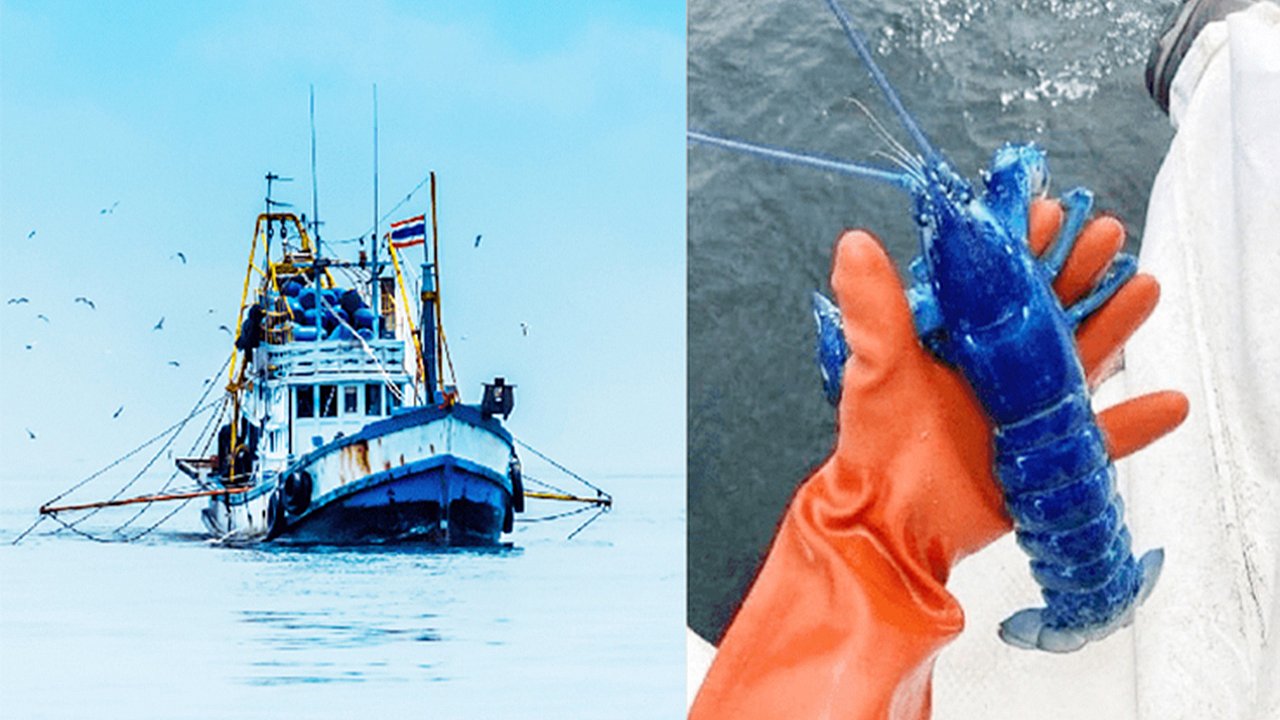
A fisherman from Portland, Maine, recently reeled in a dazzling and extremely rare blue lobster, a find so unique it’s estimated to occur in just one out of every two million lobsters. The fisherman, whose name has not been made public, caught the strikingly bright blue crustacean in the waters off the Maine coast but chose to return it to the ocean to continue its life in the wild.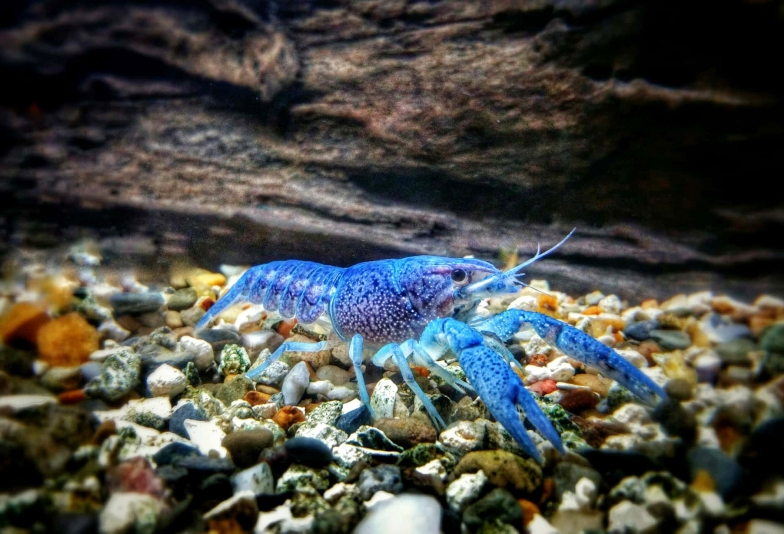 The photo of the remarkable lobster was shared online by tech entrepreneur Lars-Johan Larsson, who wrote, “This blue lobster was caught off the coast of Portland yesterday and returned to the water to continue to grow. Blue lobsters are one in two million.”The Science Behind the Bright Blue Shell
Lobsters typically have shells that are brown, red, or greenish in hue, but in rare cases like this one, a genetic mutation causes the lobster to produce an excess of a particular protein. This biochemical anomaly interacts with the lobster's pigments, resulting in the luminous blue coloration. According to the Toronto Sun, while the mutation is rare, the sheer volume of lobsters caught each year increases the chances of encountering such marvels.Charlie Ellis, a researcher at the U.K.'s National Lobster Hatchery in Cornwall, explained the regional differences: “The American lobster is usually a sort of greeny-brown, so anything bright blue would look very odd to fishermen there. But European lobsters tend to be a duller blue color. The real sort of iridescent blue is still rare here, but to a European fisherman, it will seem less completely out of the ordinary than it would to a North American.”Even Rarer Lobsters Exist—But Blue Ones Steal the Show
Though blue lobsters are stunning, other color variations are considered even rarer. According to the University of Maine's Lobster Institute, yellow lobsters appear once in every 30 million, while albino or “crystal” lobsters are estimated to occur once in every 100 million. In 2011, two fishermen off the coast of Dorset, England, caught a rare crystal-colored lobster, astonishing local experts.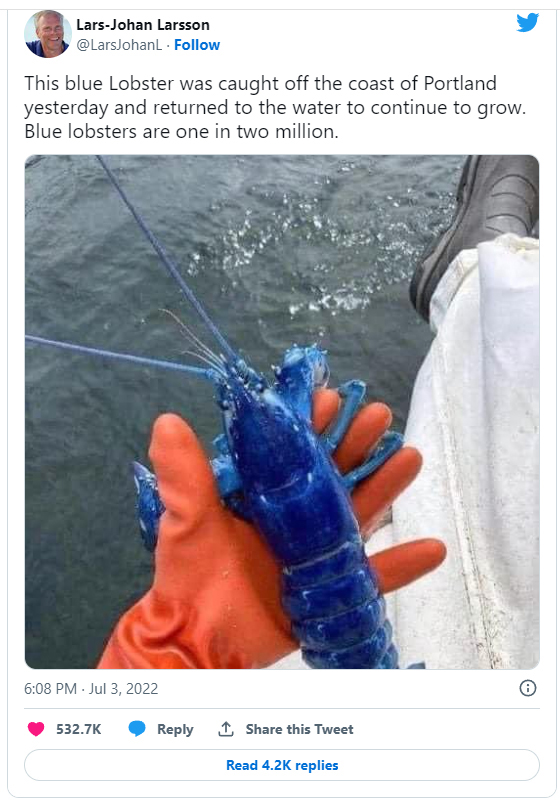 Rob Bayer, executive director of the University of Maine Lobster Institute, noted that while blue lobsters may not be the rarest, they are certainly the most eye-catching. “They might not be the most unusual, but they are undoubtedly the best to look at,” Bayer said.When Catching Rare Creatures Inspires Compassion
In another notable case, a man named Hopley caught a rare lobster and experienced what he described as a “crisis of conscience.” Rather than sell or eat the lobster, he named it Larry and worked to find it a new home. Eventually, Larry was taken in by Sea Life Manchester, where it now lives as a permanent resident.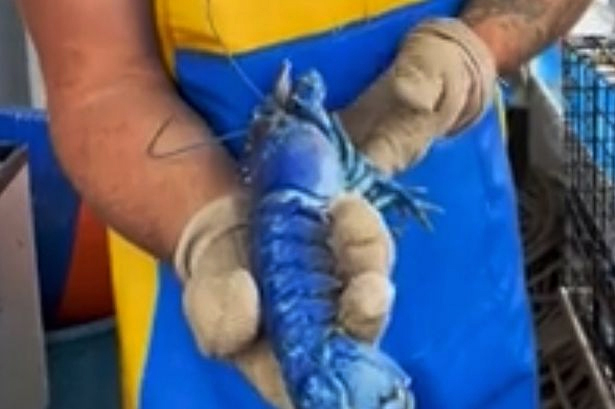 “I knew the morally right thing to do was to find him a home where everybody could appreciate him,” Hopley told BBC News. “I found out it was really rare, so I thought 'I can't kill this, I don't want to.' We couldn't see it through and put it on the menu.” He said he spent hours calling aquatic shops, concerned for the lobster’s well-being outside water.A Symbol of Luck and Respect for the Sea
Fishermen have long considered catching a blue lobster a sign of good luck. Releasing such a rare and beautiful creature back into the ocean reflects a growing sentiment among both fishermen and the public to admire and preserve nature’s wonders rather than exploit them. As rare lobsters continue to surface from the deep, stories like these remind us of the ocean’s hidden marvels—and the choices we have when we find them.
A fisherman from Portland, Maine, recently reeled in a dazzling and extremely rare blue lobster, a find so unique it’s estimated to occur in just one out of every two million lobsters. The fisherman, whose name has not been made public, caught the strikingly bright blue crustacean in the waters off the Maine coast but chose to return it to the ocean to continue its life in the wild.
The photo of the remarkable lobster was shared online by tech entrepreneur Lars-Johan Larsson, who wrote, “This blue lobster was caught off the coast of Portland yesterday and returned to the water to continue to grow. Blue lobsters are one in two million.”The Science Behind the Bright Blue ShellLobsters typically have shells that are brown, red, or greenish in hue, but in rare cases like this one, a genetic mutation causes the lobster to produce an excess of a particular protein. This biochemical anomaly interacts with the lobster's pigments, resulting in the luminous blue coloration. According to the Toronto Sun, while the mutation is rare, the sheer volume of lobsters caught each year increases the chances of encountering such marvels.Charlie Ellis, a researcher at the U.K.'s National Lobster Hatchery in Cornwall, explained the regional differences: “The American lobster is usually a sort of greeny-brown, so anything bright blue would look very odd to fishermen there. But European lobsters tend to be a duller blue color. The real sort of iridescent blue is still rare here, but to a European fisherman, it will seem less completely out of the ordinary than it would to a North American.”Even Rarer Lobsters Exist—But Blue Ones Steal the Show
Though blue lobsters are stunning, other color variations are considered even rarer. According to the University of Maine's Lobster Institute, yellow lobsters appear once in every 30 million, while albino or “crystal” lobsters are estimated to occur once in every 100 million. In 2011, two fishermen off the coast of Dorset, England, caught a rare crystal-colored lobster, astonishing local experts.
Rob Bayer, executive director of the University of Maine Lobster Institute, noted that while blue lobsters may not be the rarest, they are certainly the most eye-catching. “They might not be the most unusual, but they are undoubtedly the best to look at,” Bayer said.When Catching Rare Creatures Inspires CompassionIn another notable case, a man named Hopley caught a rare lobster and experienced what he described as a “crisis of conscience.” Rather than sell or eat the lobster, he named it Larry and worked to find it a new home. Eventually, Larry was taken in by Sea Life Manchester, where it now lives as a permanent resident.
“I knew the morally right thing to do was to find him a home where everybody could appreciate him,” Hopley told BBC News. “I found out it was really rare, so I thought 'I can't kill this, I don't want to.' We couldn't see it through and put it on the menu.” He said he spent hours calling aquatic shops, concerned for the lobster’s well-being outside water.A Symbol of Luck and Respect for the SeaFishermen have long considered catching a blue lobster a sign of good luck. Releasing such a rare and beautiful creature back into the ocean reflects a growing sentiment among both fishermen and the public to admire and preserve nature’s wonders rather than exploit them. As rare lobsters continue to surface from the deep, stories like these remind us of the ocean’s hidden marvels—and the choices we have when we find them.