Grand Canyon Wildfire Escalates into Massive Megafire
The Dragon Bravo Fire, fueled by relentless heat, bone-dry vegetation, and strong winds, has already scorched nearly 112,000 acres since it ignited on July 4. According to the National Interagency Fire Center, containment dropped to just 8% as of Friday morning, making it the largest active wildfire currently burning in the continental United States. The blaze now covers an area roughly three times the size of Washington, D.C.Lightning-Sparked Blaze Grows Beyond Control
Initially sparked by a lightning strike on Independence Day, firefighting crews opted to manage the fire as a controlled burn rather than fully extinguishing it. However, within a week, the flames spread rapidly, outpacing containment efforts.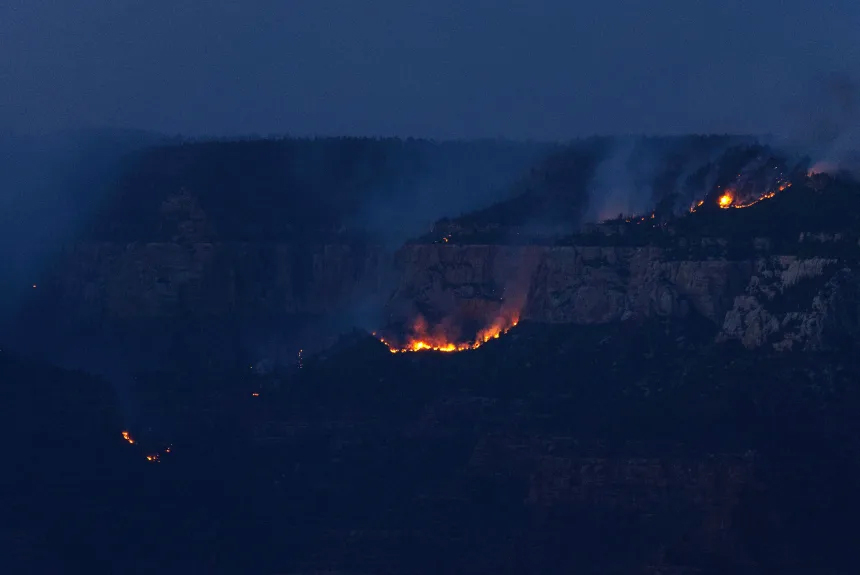 Over the past week alone, the fire’s footprint more than doubled—from around 50,000 acres on Sunday to surpassing the 100,000-acre mark, qualifying it as a megafire. Such massive wildfires make up only about 3% of all fires in the U.S., yet they account for the majority of total land burned each year.Extreme Heat and Winds Complicate Firefighting Efforts
Fire officials report that days of intense heat have dried vegetation to a level even more desiccated than kiln-dried lumber, allowing flames to ignite almost instantaneously. Gusting winds have further fueled the fire’s spread, pushing it toward the northern edge and southwest portions of the blaze that remain uncontained.At its peak last weekend, the fire reached 26% containment, but worsening weather has caused erratic fire behavior, destroying earlier progress. So far, the blaze has torn through the historic Grand Canyon Lodge, leveled at least 70 structures including cabins and a visitor center, and continues to threaten additional communities.Megafire Generates Its Own Weather
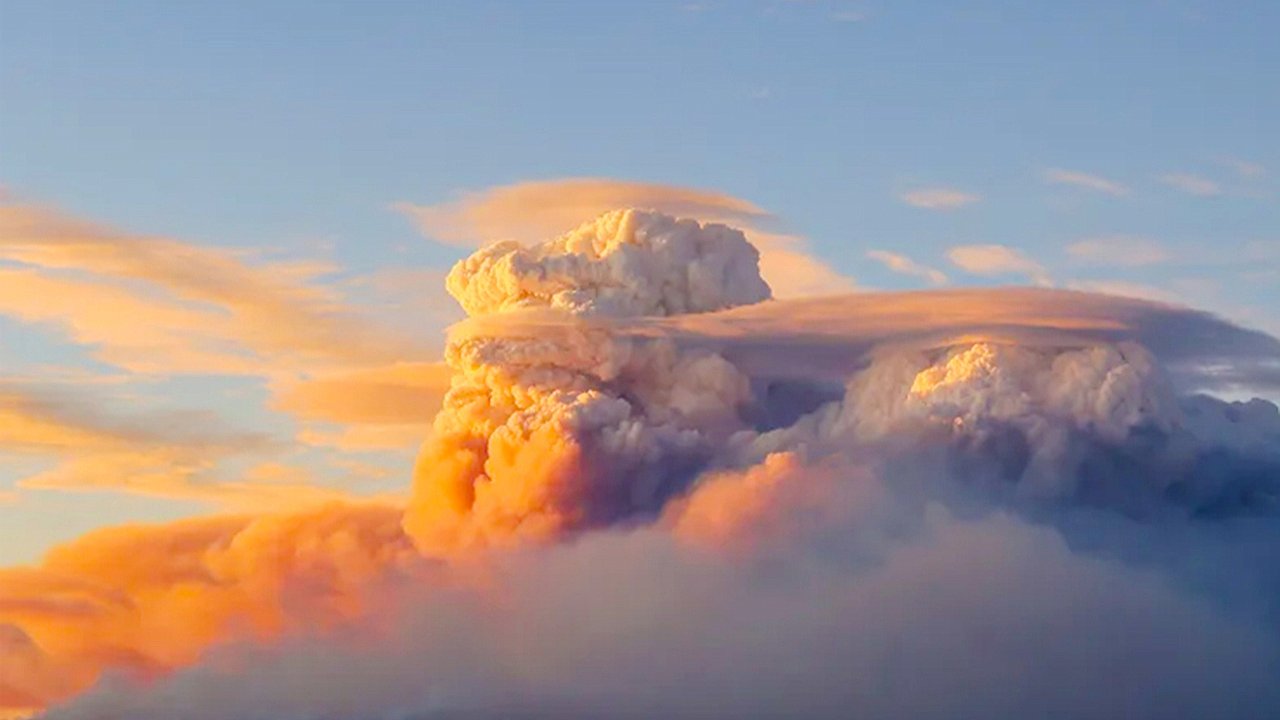
The Dragon Bravo Fire has become so intense that it is now generating its own weather patterns. For seven consecutive days, towering pyrocumulus clouds—often called “fire clouds”—have been forming above the inferno.These clouds develop when superheated air from the blaze rises rapidly, causing moisture to condense and create towering formations similar to those seen during volcanic eruptions. In extreme cases, such fires can produce pyrocumulonimbus clouds, or “fire thunderstorms,” capable of generating lightning, powerful gusts, and even fire-induced tornadoes. Such weather can spark new blazes or reignite areas previously extinguished.Forecast Shows Ongoing Fire Danger
Even without fire-generated weather, natural conditions will remain hazardous for days to come. While there is a slim chance of showers and thunderstorms, experts warn that any rain will likely be offset by additional lightning and gusty winds.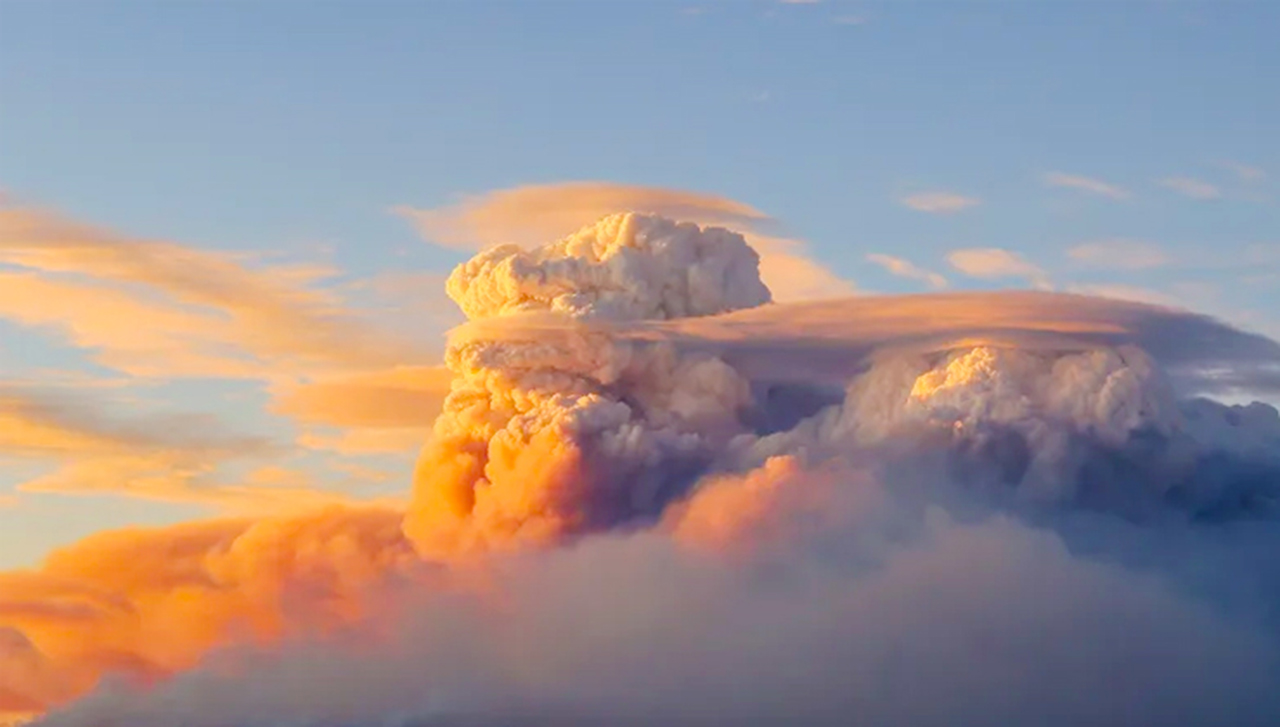 The Grand Canyon region remains under an extreme heat warning through Tuesday, with sustained winds of 20–25 mph expected through the weekend and gusts climbing to 30 mph early next week.Wildfire season in the U.S. is far from over, with the National Interagency Fire Center cautioning that the West will remain highly vulnerable to major wildfires through at least September.
The Dragon Bravo Fire, fueled by relentless heat, bone-dry vegetation, and strong winds, has already scorched nearly 112,000 acres since it ignited on July 4. According to the National Interagency Fire Center, containment dropped to just 8% as of Friday morning, making it the largest active wildfire currently burning in the continental United States. The blaze now covers an area roughly three times the size of Washington, D.C.Lightning-Sparked Blaze Grows Beyond Control
Initially sparked by a lightning strike on Independence Day, firefighting crews opted to manage the fire as a controlled burn rather than fully extinguishing it. However, within a week, the flames spread rapidly, outpacing containment efforts.
Over the past week alone, the fire’s footprint more than doubled—from around 50,000 acres on Sunday to surpassing the 100,000-acre mark, qualifying it as a megafire. Such massive wildfires make up only about 3% of all fires in the U.S., yet they account for the majority of total land burned each year.Extreme Heat and Winds Complicate Firefighting EffortsFire officials report that days of intense heat have dried vegetation to a level even more desiccated than kiln-dried lumber, allowing flames to ignite almost instantaneously. Gusting winds have further fueled the fire’s spread, pushing it toward the northern edge and southwest portions of the blaze that remain uncontained.At its peak last weekend, the fire reached 26% containment, but worsening weather has caused erratic fire behavior, destroying earlier progress. So far, the blaze has torn through the historic Grand Canyon Lodge, leveled at least 70 structures including cabins and a visitor center, and continues to threaten additional communities.Megafire Generates Its Own Weather
The Dragon Bravo Fire has become so intense that it is now generating its own weather patterns. For seven consecutive days, towering pyrocumulus clouds—often called “fire clouds”—have been forming above the inferno.These clouds develop when superheated air from the blaze rises rapidly, causing moisture to condense and create towering formations similar to those seen during volcanic eruptions. In extreme cases, such fires can produce pyrocumulonimbus clouds, or “fire thunderstorms,” capable of generating lightning, powerful gusts, and even fire-induced tornadoes. Such weather can spark new blazes or reignite areas previously extinguished.Forecast Shows Ongoing Fire Danger
Even without fire-generated weather, natural conditions will remain hazardous for days to come. While there is a slim chance of showers and thunderstorms, experts warn that any rain will likely be offset by additional lightning and gusty winds.
The Grand Canyon region remains under an extreme heat warning through Tuesday, with sustained winds of 20–25 mph expected through the weekend and gusts climbing to 30 mph early next week.Wildfire season in the U.S. is far from over, with the National Interagency Fire Center cautioning that the West will remain highly vulnerable to major wildfires through at least September.