Birds and Anting: A Strange Yet Widespread Habit
Over 200 species globally have been observed engaging in this unique form of self-care, where they allow ants to crawl across their bodies or actively apply ants and their secretions to their feathers. This peculiar ritual, part of their grooming process, has long fascinated ornithologists and bird watchers alike, offering a deeper look into birds’ complex survival strategies.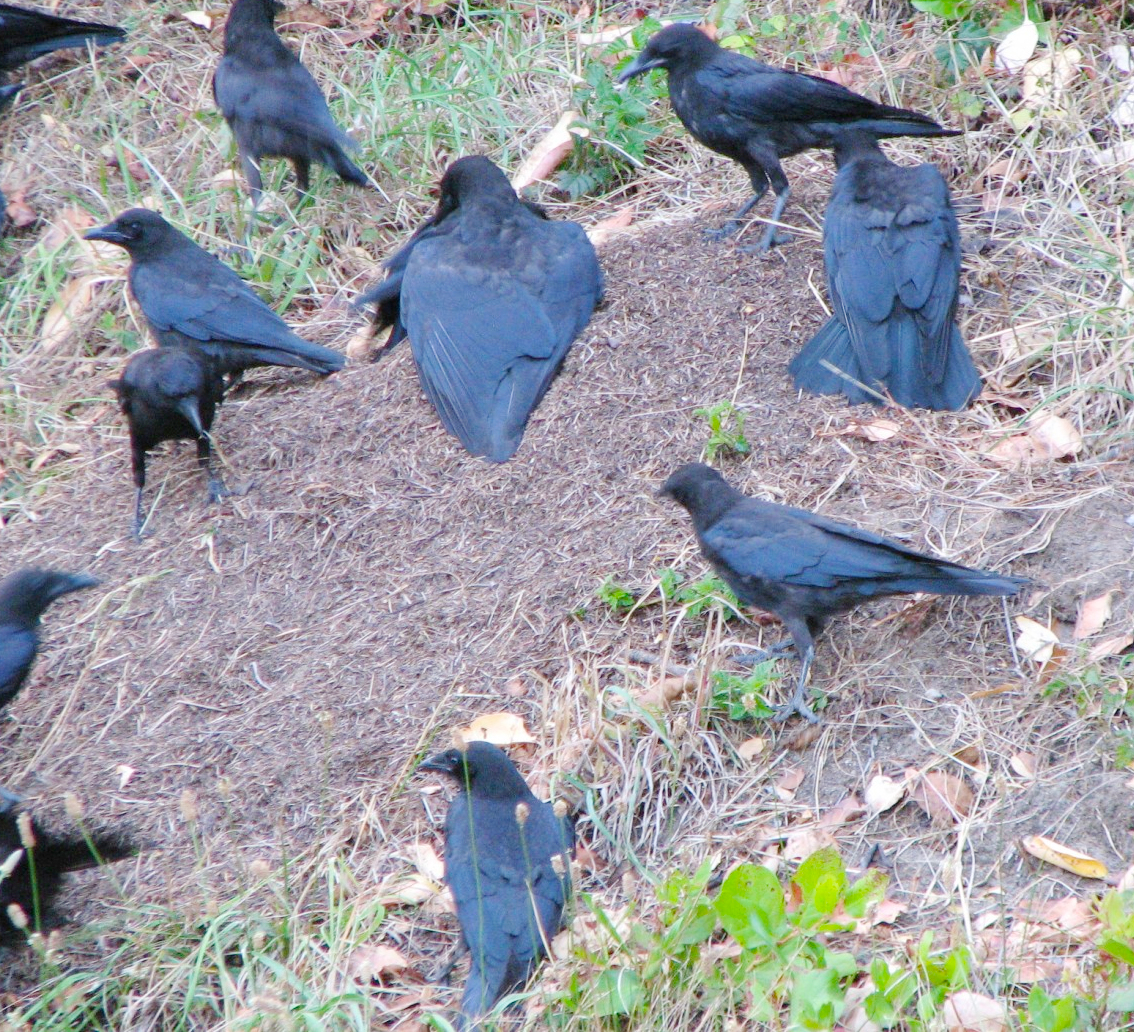 Active vs. Passive Anting
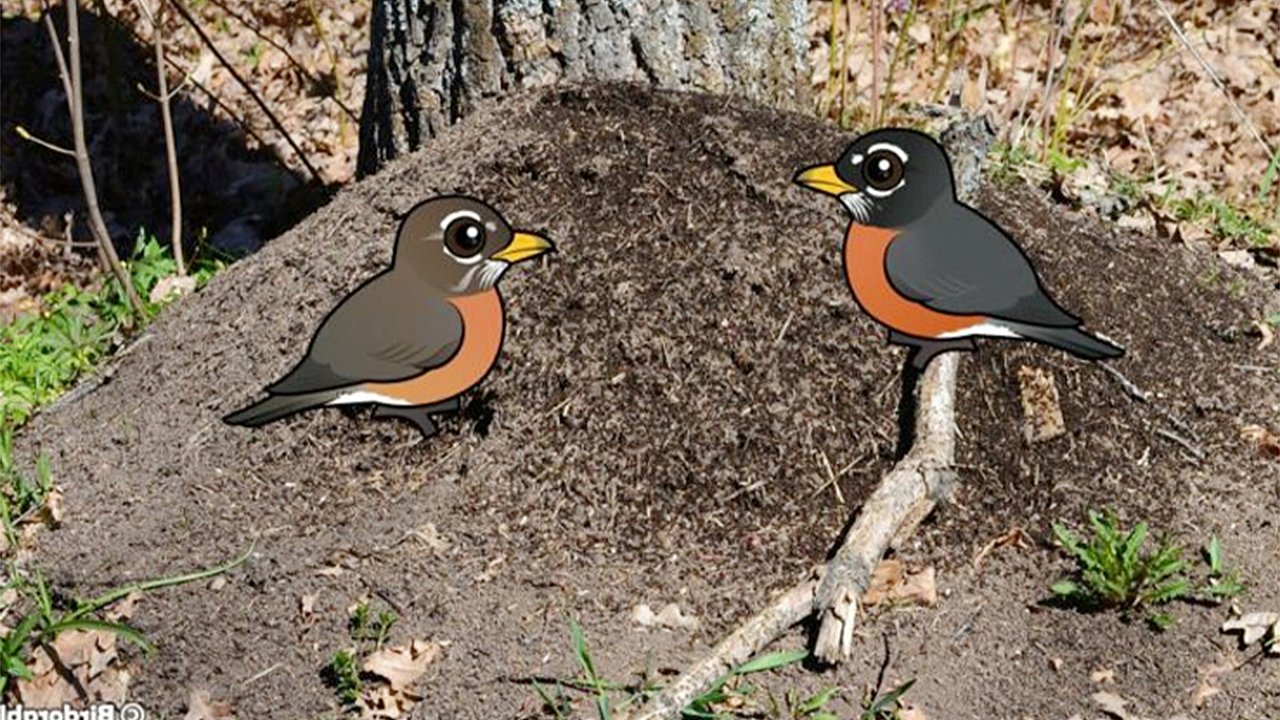
Researchers have documented two main types of anting behavior. In active anting, a bird deliberately picks up ants in its beak and rubs them over its feathers. In passive anting, the bird positions itself on or near an insect colony, allowing ants to crawl freely through its plumage. Most often, birds select ants that produce formic acid, a chemical thought to be central to the purpose of this behavior.Possible Reasons Birds Engage in Anting
While the exact reason for anting is still debated, several compelling theories have emerged:Parasite Control: The most widely accepted explanation is that formic acid helps birds fight parasites such as mites and lice, acting as a natural pesticide.Skin Relief During Molting: Birds may use ants to soothe irritation when old feathers shed and new ones grow. The acid’s mild chemical properties could ease discomfort.Preen Oil Regulation: Birds produce preen oil from a gland near their tail to keep feathers waterproof and flexible. Scientists suggest that formic acid may stimulate oil production or enhance its protective qualities.Feather Cleaning and Maintenance: Ants may help clean debris from feathers and deposit substances that protect plumage from wear and microbial growth.The Behavior in Action
Watching a bird engage in anting can be mesmerizing. Some birds adopt a prone, sunbathing-like posture, spreading their wings while ants crawl over them, while others stand upright, calmly letting ants move through their feathers. During these moments, birds often appear deeply focused or even trance-like, absorbed in the process for several minutes.Substitutes for Ants
Interestingly, not all birds rely solely on ants. Some species have been observed using other items such as cigarette butts, millipedes, and snails—likely seeking similar chemical benefits. This behavior suggests that anting is more about obtaining protective substances than specifically interacting with ants.Species Known for Anting
Anting is most commonly reported among passerines (perching birds), including:
Despite its strangeness, anting represents a remarkable example of how birds have evolved to care for their plumage and health. This behavior highlights the ingenuity of wildlife in adapting to environmental challenges and continues to intrigue scientists and bird enthusiasts alike.
Over 200 species globally have been observed engaging in this unique form of self-care, where they allow ants to crawl across their bodies or actively apply ants and their secretions to their feathers. This peculiar ritual, part of their grooming process, has long fascinated ornithologists and bird watchers alike, offering a deeper look into birds’ complex survival strategies.
Active vs. Passive AntingResearchers have documented two main types of anting behavior. In active anting, a bird deliberately picks up ants in its beak and rubs them over its feathers. In passive anting, the bird positions itself on or near an insect colony, allowing ants to crawl freely through its plumage. Most often, birds select ants that produce formic acid, a chemical thought to be central to the purpose of this behavior.Possible Reasons Birds Engage in Anting
While the exact reason for anting is still debated, several compelling theories have emerged:Parasite Control: The most widely accepted explanation is that formic acid helps birds fight parasites such as mites and lice, acting as a natural pesticide.Skin Relief During Molting: Birds may use ants to soothe irritation when old feathers shed and new ones grow. The acid’s mild chemical properties could ease discomfort.Preen Oil Regulation: Birds produce preen oil from a gland near their tail to keep feathers waterproof and flexible. Scientists suggest that formic acid may stimulate oil production or enhance its protective qualities.Feather Cleaning and Maintenance: Ants may help clean debris from feathers and deposit substances that protect plumage from wear and microbial growth.The Behavior in Action
Watching a bird engage in anting can be mesmerizing. Some birds adopt a prone, sunbathing-like posture, spreading their wings while ants crawl over them, while others stand upright, calmly letting ants move through their feathers. During these moments, birds often appear deeply focused or even trance-like, absorbed in the process for several minutes.Substitutes for Ants
Interestingly, not all birds rely solely on ants. Some species have been observed using other items such as cigarette butts, millipedes, and snails—likely seeking similar chemical benefits. This behavior suggests that anting is more about obtaining protective substances than specifically interacting with ants.Species Known for Anting
Anting is most commonly reported among passerines (perching birds), including:
- American Crow
- American Robin
- Blue Jay
- Common Grackle
- European Starling
- Tufted Titmouse
Despite its strangeness, anting represents a remarkable example of how birds have evolved to care for their plumage and health. This behavior highlights the ingenuity of wildlife in adapting to environmental challenges and continues to intrigue scientists and bird enthusiasts alike.