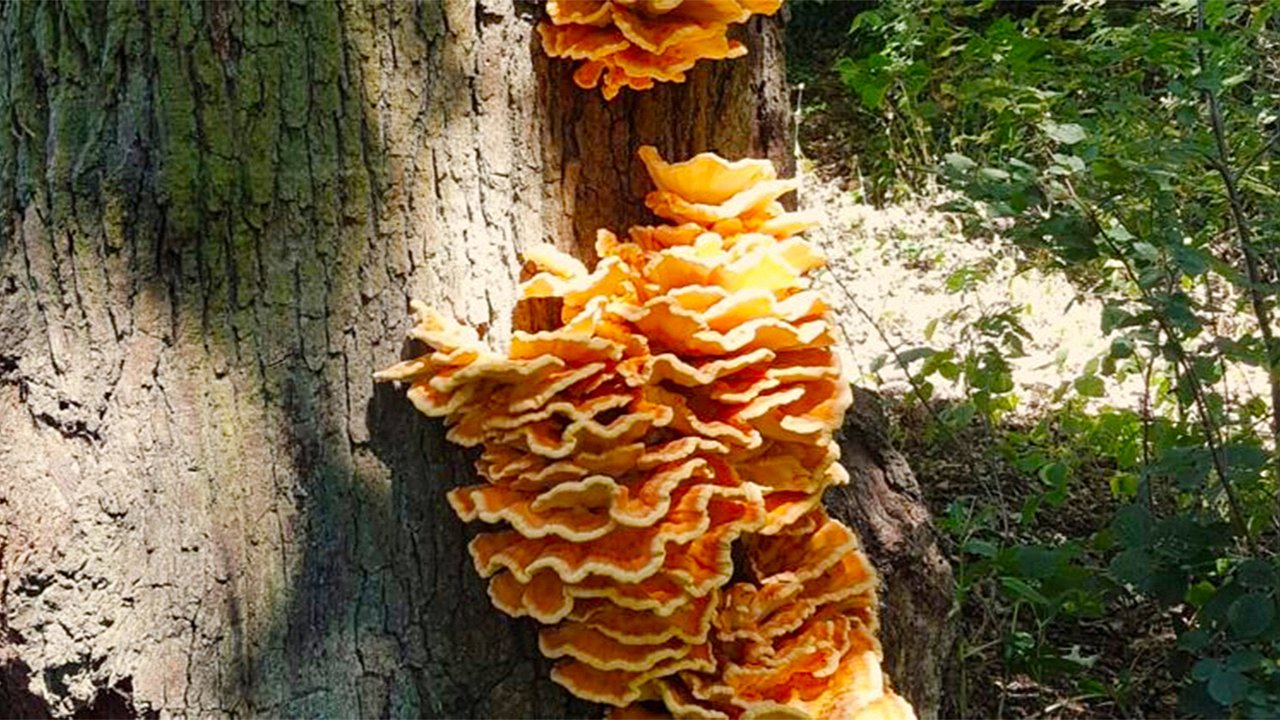
Hidden deep within the lush forests of the Olympic Peninsula in Washington State lies one of nature’s most mesmerizing spectacles: the Laetiporus radiantus, often referred to as the Rainbow Mushroom. This extraordinary fungus bursts with vibrant colors, blending fiery reds and oranges with radiant yellows and occasional hints of purple. Its striking appearance has earned it a reputation as one of the most visually captivating fungi in the region.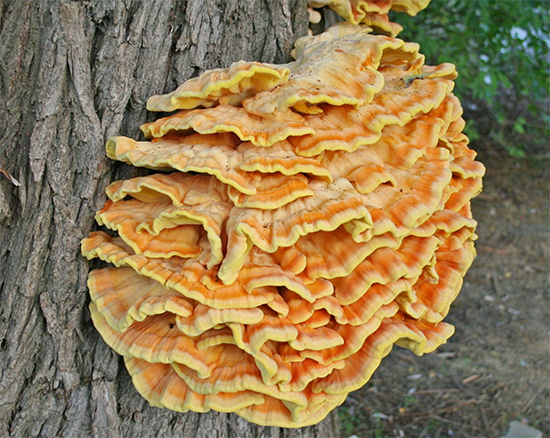 Yet behind its colorful façade lies a far more complex story. The Laetiporus Radiantus is not only beautiful but also potentially dangerous, possessing toxins that can cause severe reactions in humans. As interest in wild mushrooms and foraging continues to grow, understanding the risks, ecology, and unique features of this mushroom becomes essential. In this article, we explore the biology, dangers, and ecological importance of the Rainbow Mushroom, offering a detailed look at why this forest gem should be admired but never touched.A spectrum of colors
The Laetiporus radiantus stands out in the forest due to its rich, multi-hued palette. Classified as a polypore fungus, it has tiny pores rather than gills on its underside, which aids in spore distribution. The mushroom’s vivid coloration comes from a combination of natural pigments produced during its growth cycle. These pigments shift depending on environmental conditions such as humidity, age, temperature, and the amount of filtered light reaching the fungus.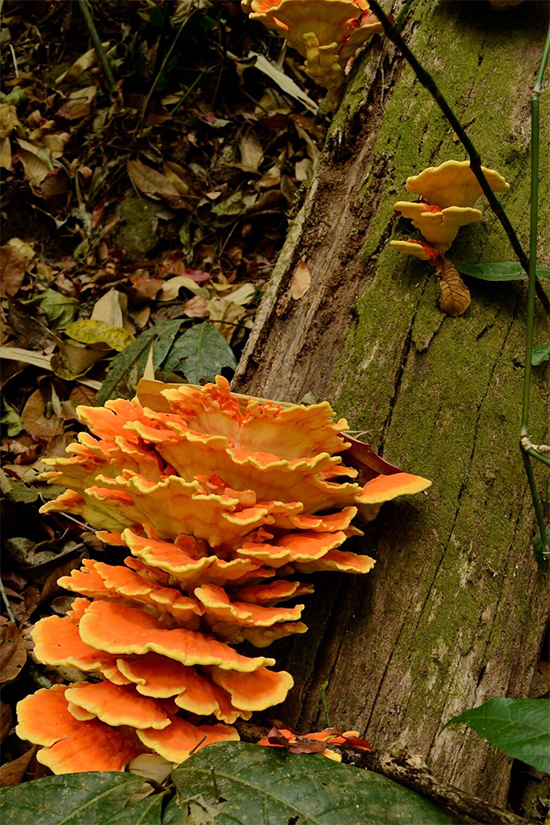 Young specimens often display bright oranges and reds, while older clusters may take on softer yellows or deeper purples. This dynamic range of colors makes the Rainbow Mushroom a favorite subject for photographers and nature enthusiasts who encounter it during forest hikes. Its layered, shelf-like structure further enhances its visual appeal, creating a natural rainbow tucked against tree trunks and fallen logs.Bioluminescent beauty
One of the most remarkable features of Laetiporus radiantus is its subtle yet enchanting bioluminescence. In low-light environments or during nighttime hours, the fungus emits a gentle, ghostly glow. This illumination is caused by a biochemical reaction involving oxygen, enzymes, and natural compounds within the fungus. While scientists continue to study the exact purpose of this glow, several theories have emerged. Some researchers suggest that bioluminescence may help attract nocturnal insects that aid in spore dispersal. Others believe it may serve as a defense mechanism, deterring certain animals from feeding on it. Regardless of its evolutionary purpose, the glowing effect adds an otherworldly charm to the mushroom, making it seem almost magical to those lucky enough to witness it in the dark forests of the Pacific Northwest.A deadly deception
Despite its stunning appearance, the Rainbow Mushroom conceals a deadly secret: it is highly toxic to humans. Foraging enthusiasts unfamiliar with this species may mistake its colorful surface for an edible variety, but consuming even a small amount can lead to serious health consequences. Symptoms typically begin with severe gastrointestinal distress, including nausea, vomiting, stomach cramps, and diarrhea.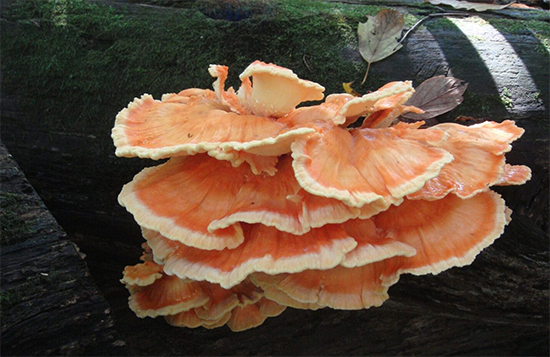 In extreme cases, toxins in the mushroom can contribute to liver damage or kidney complications, making it crucial to avoid ingestion at all costs. Unlike some mushrooms whose toxicity diminishes when cooked, the dangerous compounds within Laetiporus radiantus remain potent regardless of preparation. Its deceptive beauty serves as a reminder that visually appealing fungi are not always safe, and proper identification is essential for anyone exploring wild mushroom habitats.A protector of the forest
While toxic to humans, Laetiporus radiantus plays an important role within its natural ecosystem. As a wood-decaying fungus, it contributes to the decomposition process, breaking down dead or dying trees and returning valuable nutrients to the soil. This process supports forest regeneration and promotes biodiversity by creating rich environments where new plants and organisms can thrive. Additionally, the mushroom’s toxins help deter certain herbivores and insects, preserving the balance of the forest floor. Its presence indicates a healthy, functioning ecosystem where natural decay cycles are occurring as they should. Though dangerous to humans, the Rainbow Mushroom is a vital part of the ecological framework that sustains the dense forests of the Olympic Peninsula.Admire from afar
The Laetiporus radiantus is a stunning example of nature’s artistry, showcasing colors and bioluminescent features rarely seen in a single species. However, its toxicity makes it essential for hikers, photographers, and mushroom enthusiasts to observe it without touching or attempting to collect it. Appreciating this fungus from a safe distance ensures both personal safety and the preservation of this remarkable species. Whether encountered during a peaceful forest walk or captured in a striking photograph, the Rainbow Mushroom remains a fascinating reminder of the mysteries and dangers hidden within the natural world. By respecting its beauty and understanding its role in the ecosystem, we can help preserve this extraordinary organism for future generations to appreciate.
Yet behind its colorful façade lies a far more complex story. The Laetiporus Radiantus is not only beautiful but also potentially dangerous, possessing toxins that can cause severe reactions in humans. As interest in wild mushrooms and foraging continues to grow, understanding the risks, ecology, and unique features of this mushroom becomes essential. In this article, we explore the biology, dangers, and ecological importance of the Rainbow Mushroom, offering a detailed look at why this forest gem should be admired but never touched.A spectrum of colorsThe Laetiporus radiantus stands out in the forest due to its rich, multi-hued palette. Classified as a polypore fungus, it has tiny pores rather than gills on its underside, which aids in spore distribution. The mushroom’s vivid coloration comes from a combination of natural pigments produced during its growth cycle. These pigments shift depending on environmental conditions such as humidity, age, temperature, and the amount of filtered light reaching the fungus.
Young specimens often display bright oranges and reds, while older clusters may take on softer yellows or deeper purples. This dynamic range of colors makes the Rainbow Mushroom a favorite subject for photographers and nature enthusiasts who encounter it during forest hikes. Its layered, shelf-like structure further enhances its visual appeal, creating a natural rainbow tucked against tree trunks and fallen logs.Bioluminescent beautyOne of the most remarkable features of Laetiporus radiantus is its subtle yet enchanting bioluminescence. In low-light environments or during nighttime hours, the fungus emits a gentle, ghostly glow. This illumination is caused by a biochemical reaction involving oxygen, enzymes, and natural compounds within the fungus. While scientists continue to study the exact purpose of this glow, several theories have emerged. Some researchers suggest that bioluminescence may help attract nocturnal insects that aid in spore dispersal. Others believe it may serve as a defense mechanism, deterring certain animals from feeding on it. Regardless of its evolutionary purpose, the glowing effect adds an otherworldly charm to the mushroom, making it seem almost magical to those lucky enough to witness it in the dark forests of the Pacific Northwest.A deadly deception
Despite its stunning appearance, the Rainbow Mushroom conceals a deadly secret: it is highly toxic to humans. Foraging enthusiasts unfamiliar with this species may mistake its colorful surface for an edible variety, but consuming even a small amount can lead to serious health consequences. Symptoms typically begin with severe gastrointestinal distress, including nausea, vomiting, stomach cramps, and diarrhea.
In extreme cases, toxins in the mushroom can contribute to liver damage or kidney complications, making it crucial to avoid ingestion at all costs. Unlike some mushrooms whose toxicity diminishes when cooked, the dangerous compounds within Laetiporus radiantus remain potent regardless of preparation. Its deceptive beauty serves as a reminder that visually appealing fungi are not always safe, and proper identification is essential for anyone exploring wild mushroom habitats.A protector of the forestWhile toxic to humans, Laetiporus radiantus plays an important role within its natural ecosystem. As a wood-decaying fungus, it contributes to the decomposition process, breaking down dead or dying trees and returning valuable nutrients to the soil. This process supports forest regeneration and promotes biodiversity by creating rich environments where new plants and organisms can thrive. Additionally, the mushroom’s toxins help deter certain herbivores and insects, preserving the balance of the forest floor. Its presence indicates a healthy, functioning ecosystem where natural decay cycles are occurring as they should. Though dangerous to humans, the Rainbow Mushroom is a vital part of the ecological framework that sustains the dense forests of the Olympic Peninsula.Admire from afar
The Laetiporus radiantus is a stunning example of nature’s artistry, showcasing colors and bioluminescent features rarely seen in a single species. However, its toxicity makes it essential for hikers, photographers, and mushroom enthusiasts to observe it without touching or attempting to collect it.
Appreciating this fungus from a safe distance ensures both personal safety and the preservation of this remarkable species. Whether encountered during a peaceful forest walk or captured in a striking photograph, the Rainbow Mushroom remains a fascinating reminder of the mysteries and dangers hidden within the natural world. By respecting its beauty and understanding its role in the ecosystem, we can help preserve this extraordinary organism for future generations to appreciate.