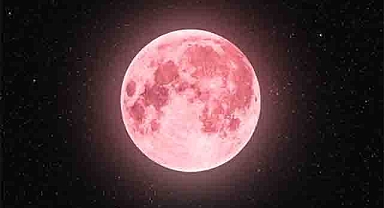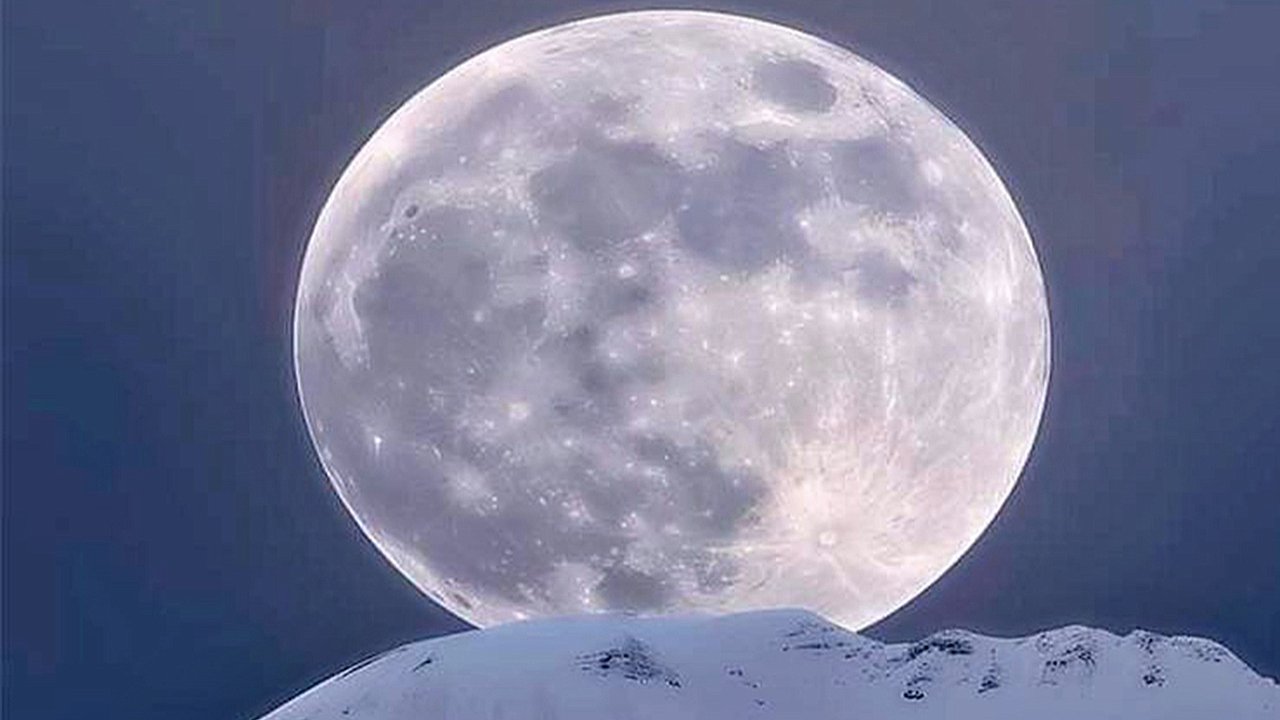
December’s night sky is preparing a spectacular send-off for 2025 with the arrival of the Cold Moon—the final Supermoon of the year. On December 4, skywatchers across the Northern Hemisphere will be treated to a brilliant, fully illuminated lunar display that has captured human curiosity for generations. Known for its striking brightness and its strong association with winter’s arrival, the Cold Moon is more than a celestial event; it’s a seasonal marker that reflects ancient traditions, cultural meanings, and natural rhythms.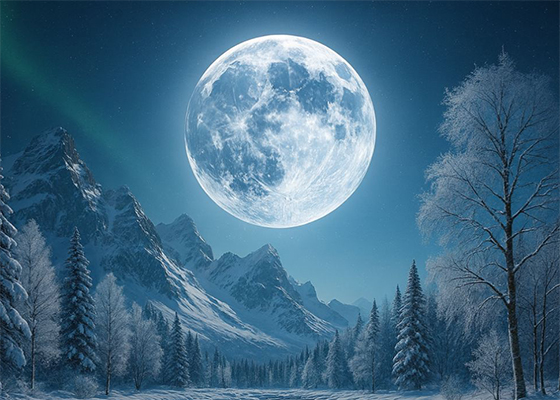 This full Moon occurs at 6:14 P.M. EST, reaching peak illumination just as long winter nights deepen. Whether you’re a casual observer or a dedicated Moon enthusiast, this December full Moon offers a perfect opportunity to reconnect with the sky and appreciate one of nature’s most enduring monthly wonders. Below, explore the Cold Moon’s origins, significance, and the best times and ways to view it.Cold moon meaning and cultural origins
The Cold Moon earns its most recognized name from the Mohawk people, who used lunar cycles as seasonal indicators. December’s full Moon marks the time when intense cold settles in and winter conditions take hold. For centuries, Indigenous communities relied on these lunar markers not only for tracking seasons but also for planning activities related to agriculture, hunting, and survival. This rich tradition reflects a deep connection between humans and nature—one that continues to inspire modern skywatchers. The Cold Moon’s bright glow against early winter nights makes it an especially memorable occurrence, symbolizing both stillness and resilience as the natural world transitions into its darkest phase of the year.Long night moon and winter’s extended darkness
Another well-known name for December’s full Moon is the Long Night Moon, a Mohican term that relates to the lengthy darkness that accompanies the winter season. Falling near the winter solstice, this full Moon rises during the longest nights of the year, staying visible above the horizon for an extended period. Its path travels high and wide across the sky, creating a breathtaking lunar display that lasts longer than most full Moons. These prolonged hours of moonlight were important to traditional cultures that relied on natural illumination for nighttime activities. Today, the Long Night Moon remains a symbolic reminder of the changing Earth–Sun relationship and the cyclical nature of seasonal light.Alternative December moon names
Across North America, various Native American tribes assigned their own names to December’s full Moon, each reflecting environmental clues, wildlife behavior, or atmospheric conditions. The Cree referred to it as the Drift Clearing Moon, Hoar Frost Moon, and Frost Exploding Trees Moon—names inspired by the harsh freeze and dramatic sounds of the winter landscape. The Oglala called it the Moon of the Popping Trees, while the Haida and Cherokee used the name Snow Moon.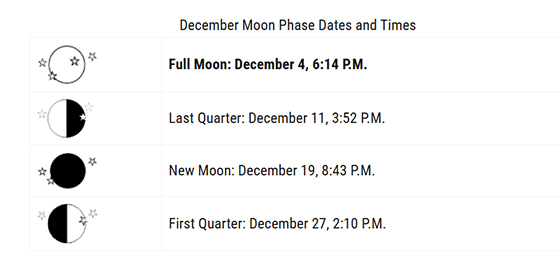 The Dakota recognized this lunar cycle as the Moon When the Deer Shed Their Antlers, observing changes in local wildlife. The Anishinaabe referred to it as the Little Spirit Moon, marking a time of spiritual quiet. In Europe, ancient pagans celebrated it as the Moon Before Yule, symbolizing the anticipation of the winter solstice and the gradual return of sunlight.Viewing tips for December’s full moon
To enjoy the Cold Moon at its brightest, plan to observe it on December 4 around the moment of peak illumination at 6:14 P.M. EST. For accurate local Moonrise times, astronomy apps or Moonrise calculators can help pinpoint ideal viewing windows. Winter’s cold, crisp air can create excellent visibility, especially in areas with low light pollution. Look toward the eastern horizon shortly after sunset to watch the Moon rise—one of the most visually dramatic lunar moments. Because this full Moon is also a Supermoon, it may appear slightly larger and brighter than usual, making it an ideal subject for photography. Use a tripod and a longer exposure for detailed lunar shots. Even a simple smartphone camera can capture stunning images under the right conditions.December 2025 moon phases
December 2025 is filled with noticeable lunar activity beyond just the Cold Moon. Throughout the month, each phase contributes to the natural rhythm of the night sky. Whether you're tracking the waxing crescent, observing the first quarter, or watching the waning gibbous fade, these transitions offer excellent opportunities for stargazing and night-sky photography. Keeping a lunar calendar handy allows you to follow these changes and better appreciate the celestial patterns that have fascinated humanity for millennia.Best days for December activities
In traditional lunar-based planning, certain phases of the Moon were believed to influence the success of specific activities. For example, December 25 and 26 were considered favorable for harvesting aboveground crops, while December 6 and 7 were ideal for underground crops. Setting eggs—an activity timed carefully on farms—was best done on December 4, 5, 12, 13, or 31. Fishing conditions were considered especially favorable from December 1 through 4 and December 19 through the end of the month. While modern science doesn’t fully support these traditions, many people continue to follow lunar-based timing for gardening, farming, and outdoor pursuits.Moon folklore and seasonal symbolism
Folklore surrounding the Moon adds an extra layer of charm to these monthly events. One old saying claims that if a snowstorm begins when the Moon is young, it will stop at moonrise. While such sayings aren’t scientifically proven, they highlight humanity’s longstanding fascination with lunar influence on natural patterns. December’s Cold Moon, with its blend of folklore, cultural significance, and natural beauty, represents both the harshness and serenity of winter. It stands as a glowing reminder of the seasonal cycle, inviting us to pause, look up, and appreciate the quiet magic of the night sky.
This full Moon occurs at 6:14 P.M. EST, reaching peak illumination just as long winter nights deepen. Whether you’re a casual observer or a dedicated Moon enthusiast, this December full Moon offers a perfect opportunity to reconnect with the sky and appreciate one of nature’s most enduring monthly wonders. Below, explore the Cold Moon’s origins, significance, and the best times and ways to view it.Cold moon meaning and cultural originsThe Cold Moon earns its most recognized name from the Mohawk people, who used lunar cycles as seasonal indicators. December’s full Moon marks the time when intense cold settles in and winter conditions take hold. For centuries, Indigenous communities relied on these lunar markers not only for tracking seasons but also for planning activities related to agriculture, hunting, and survival. This rich tradition reflects a deep connection between humans and nature—one that continues to inspire modern skywatchers. The Cold Moon’s bright glow against early winter nights makes it an especially memorable occurrence, symbolizing both stillness and resilience as the natural world transitions into its darkest phase of the year.Long night moon and winter’s extended darkness
Another well-known name for December’s full Moon is the Long Night Moon, a Mohican term that relates to the lengthy darkness that accompanies the winter season. Falling near the winter solstice, this full Moon rises during the longest nights of the year, staying visible above the horizon for an extended period. Its path travels high and wide across the sky, creating a breathtaking lunar display that lasts longer than most full Moons. These prolonged hours of moonlight were important to traditional cultures that relied on natural illumination for nighttime activities. Today, the Long Night Moon remains a symbolic reminder of the changing Earth–Sun relationship and the cyclical nature of seasonal light.Alternative December moon names
Across North America, various Native American tribes assigned their own names to December’s full Moon, each reflecting environmental clues, wildlife behavior, or atmospheric conditions. The Cree referred to it as the Drift Clearing Moon, Hoar Frost Moon, and Frost Exploding Trees Moon—names inspired by the harsh freeze and dramatic sounds of the winter landscape. The Oglala called it the Moon of the Popping Trees, while the Haida and Cherokee used the name Snow Moon.
The Dakota recognized this lunar cycle as the Moon When the Deer Shed Their Antlers, observing changes in local wildlife. The Anishinaabe referred to it as the Little Spirit Moon, marking a time of spiritual quiet. In Europe, ancient pagans celebrated it as the Moon Before Yule, symbolizing the anticipation of the winter solstice and the gradual return of sunlight.Viewing tips for December’s full moonTo enjoy the Cold Moon at its brightest, plan to observe it on December 4 around the moment of peak illumination at 6:14 P.M. EST. For accurate local Moonrise times, astronomy apps or Moonrise calculators can help pinpoint ideal viewing windows. Winter’s cold, crisp air can create excellent visibility, especially in areas with low light pollution. Look toward the eastern horizon shortly after sunset to watch the Moon rise—one of the most visually dramatic lunar moments. Because this full Moon is also a Supermoon, it may appear slightly larger and brighter than usual, making it an ideal subject for photography. Use a tripod and a longer exposure for detailed lunar shots. Even a simple smartphone camera can capture stunning images under the right conditions.December 2025 moon phases
December 2025 is filled with noticeable lunar activity beyond just the Cold Moon. Throughout the month, each phase contributes to the natural rhythm of the night sky. Whether you're tracking the waxing crescent, observing the first quarter, or watching the waning gibbous fade, these transitions offer excellent opportunities for stargazing and night-sky photography. Keeping a lunar calendar handy allows you to follow these changes and better appreciate the celestial patterns that have fascinated humanity for millennia.Best days for December activities
In traditional lunar-based planning, certain phases of the Moon were believed to influence the success of specific activities. For example, December 25 and 26 were considered favorable for harvesting aboveground crops, while December 6 and 7 were ideal for underground crops. Setting eggs—an activity timed carefully on farms—was best done on December 4, 5, 12, 13, or 31. Fishing conditions were considered especially favorable from December 1 through 4 and December 19 through the end of the month. While modern science doesn’t fully support these traditions, many people continue to follow lunar-based timing for gardening, farming, and outdoor pursuits.Moon folklore and seasonal symbolism
Folklore surrounding the Moon adds an extra layer of charm to these monthly events. One old saying claims that if a snowstorm begins when the Moon is young, it will stop at moonrise. While such sayings aren’t scientifically proven, they highlight humanity’s longstanding fascination with lunar influence on natural patterns. December’s Cold Moon, with its blend of folklore, cultural significance, and natural beauty, represents both the harshness and serenity of winter. It stands as a glowing reminder of the seasonal cycle, inviting us to pause, look up, and appreciate the quiet magic of the night sky.