A Dazzling Star of the African Skies: The Greater Blue-Eared Starling
Among Africa’s many avian wonders, few birds command attention quite like the greater blue-eared starling. With its shimmering teal-blue plumage, glowing yellow eyes, and loud, varied calls, this starling is a living jewel that sparkles under the sun. Found throughout much of sub-Saharan Africa, its vibrant coloration and bold presence make it an unforgettable sight for birdwatchers lucky enough to cross its path. Scientifically named Lamprotornis chalybaeus, this species is also referred to as the greater blue-eared glossy-starling, green glossy starling, or simply blue-eared starling. Despite their commonness in many parts of Africa, their beauty often surprises birders unfamiliar with the striking colors starlings can display. Averaging 8.5–9.5 inches in length with a wingspan between 15–17 inches and a weight ranging from 2.7 to 5.6 ounces, these starlings are compact, robust birds with a commanding presence.Vivid Features and Bold Behavior
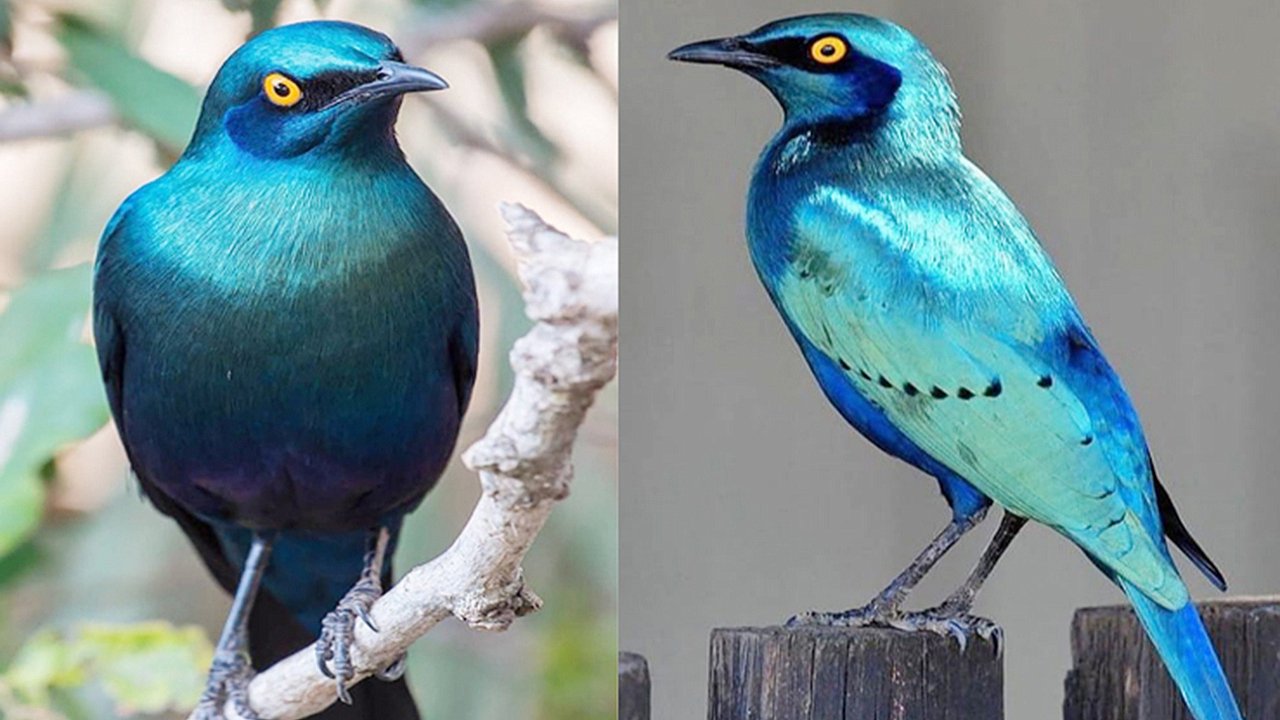
The Greater blue-eared starling is easy to identify, thanks to its upright stance, stout bill, and short tail. Its iridescent teal-blue feathers shimmer with a metallic gleam in good lighting, while a blue-black facial patch gives the appearance of a mask. The wings display two distinctive bars formed by evenly spaced black spots. Underneath, the plumage deepens into rich blue-purple shades along the abdomen and flanks. The bird's brilliant yellow or orange-yellow eyes stand out dramatically against the darker facial feathers, and its legs and feet are typically gray-black. Juvenile birds are less flashy, with sooty brown-gray underparts and more muted iridescence. Their eyes are darker, making them a bit harder to distinguish at a glance. Regardless of age, these birds are known for their boisterous personalities and wide range of vocalizations, which include melodic warbles, grating croaks, nasal meows, and high-pitched whistles. Even their shorter call notes vary significantly.Habitat and Distribution
The greater blue-eared starling has an extensive range across sub-Saharan Africa, from southern Mauritania and Senegal to Ethiopia and extending south through eastern and southern Africa to northern Namibia and Angola. Although absent from the rainforests of the Congo Basin and the Gulf of Guinea, they are widespread in savannahs, open woodlands, riparian zones, and even human settlements. Towns, villages, and agricultural areas often host these birds, particularly where grazing livestock are present.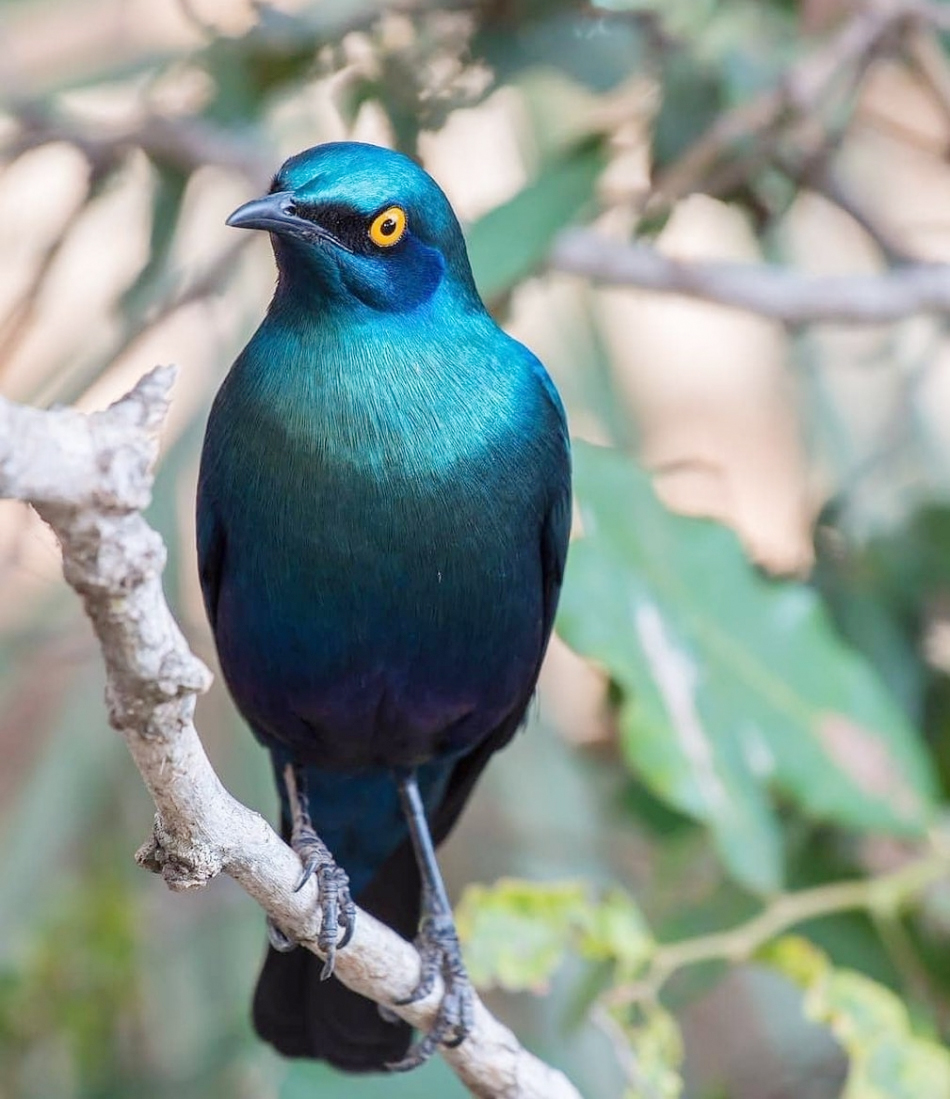 While most of the population is sedentary, a portion in the northwest migrates seasonally. After breeding, birds from parts of Burkina Faso, Ghana, Togo, Benin, Nigeria, and northern Cameroon move southward, forming the only migratory subgroup of the species. In the non-breeding season, they often gather in large mixed flocks with other starling species, creating noisy, dynamic groups that fill the landscape with sound and motion.Diet and Foraging Habits
These starlings are opportunistic omnivores, consuming a diverse diet that includes insects, seeds, fruits, berries, small reptiles, and even small mammals. Their foraging behavior is versatile—they search for food both on the ground and in trees, and prefer walking over hopping when on the move. Interestingly, greater blue-eared starlings are often seen landing on livestock to pick off insects and parasites, a behavior that helps them coexist well with agricultural environments.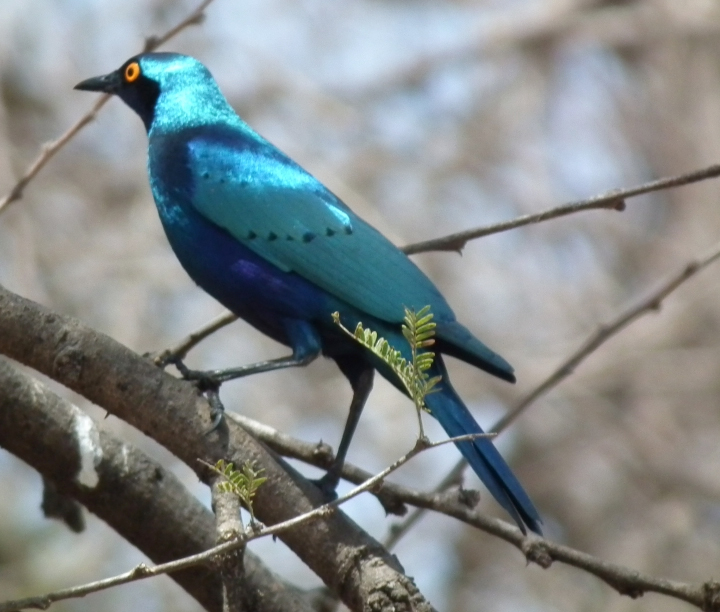 Their adaptability has allowed them to thrive in areas with growing human and livestock activity, often expanding their range as a result. For birders, this behavior provides an easy tip: look near grazing animals to spot these iridescent beauties.Nesting and Reproductive Life
Greater blue-eared starlings are cavity nesters, typically using old woodpecker or barbet holes, natural tree cavities, or even crevices in large stick nests built by ibises or storks. Both sexes contribute to preparing the nest, lining it with feathers, grasses, and other soft materials.The female lays 2–5 greenish-blue eggs speckled with brown or purple, which she incubates for about 13–14 days. After hatching, both parents feed the chicks for another 22–24 days. Once fledged, the young continue following the adults to learn foraging skills.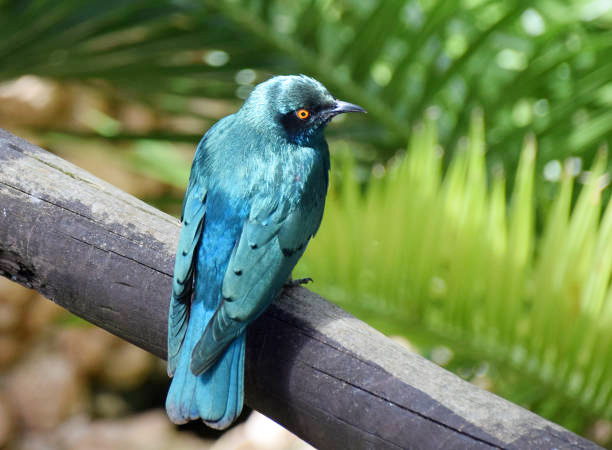 Although their reproductive behavior is not extensively studied, multiple broods per season are likely. They are occasionally parasitized by brood parasites like the great spotted cuckoo and greater honeyguide, but these instances don’t significantly impact their population numbers.A Starling Worth Spotting
With their breathtaking beauty, loud vocalizations, and social nature, greater blue-eared starlings are a favorite among birders. Their comfort around humans and frequent proximity to livestock make them relatively easy to find. For those venturing into their range, a keen eye for iridescent flashes and an ear for their distinctive calls is all it takes to enjoy a close encounter with one of Africa’s most mesmerizing birds.
Among Africa’s many avian wonders, few birds command attention quite like the greater blue-eared starling. With its shimmering teal-blue plumage, glowing yellow eyes, and loud, varied calls, this starling is a living jewel that sparkles under the sun. Found throughout much of sub-Saharan Africa, its vibrant coloration and bold presence make it an unforgettable sight for birdwatchers lucky enough to cross its path.
Scientifically named Lamprotornis chalybaeus, this species is also referred to as the greater blue-eared glossy-starling, green glossy starling, or simply blue-eared starling. Despite their commonness in many parts of Africa, their beauty often surprises birders unfamiliar with the striking colors starlings can display. Averaging 8.5–9.5 inches in length with a wingspan between 15–17 inches and a weight ranging from 2.7 to 5.6 ounces, these starlings are compact, robust birds with a commanding presence.Vivid Features and Bold BehaviorThe Greater blue-eared starling is easy to identify, thanks to its upright stance, stout bill, and short tail. Its iridescent teal-blue feathers shimmer with a metallic gleam in good lighting, while a blue-black facial patch gives the appearance of a mask. The wings display two distinctive bars formed by evenly spaced black spots. Underneath, the plumage deepens into rich blue-purple shades along the abdomen and flanks. The bird's brilliant yellow or orange-yellow eyes stand out dramatically against the darker facial feathers, and its legs and feet are typically gray-black.
Juvenile birds are less flashy, with sooty brown-gray underparts and more muted iridescence. Their eyes are darker, making them a bit harder to distinguish at a glance. Regardless of age, these birds are known for their boisterous personalities and wide range of vocalizations, which include melodic warbles, grating croaks, nasal meows, and high-pitched whistles. Even their shorter call notes vary significantly.Habitat and DistributionThe greater blue-eared starling has an extensive range across sub-Saharan Africa, from southern Mauritania and Senegal to Ethiopia and extending south through eastern and southern Africa to northern Namibia and Angola. Although absent from the rainforests of the Congo Basin and the Gulf of Guinea, they are widespread in savannahs, open woodlands, riparian zones, and even human settlements. Towns, villages, and agricultural areas often host these birds, particularly where grazing livestock are present.
While most of the population is sedentary, a portion in the northwest migrates seasonally. After breeding, birds from parts of Burkina Faso, Ghana, Togo, Benin, Nigeria, and northern Cameroon move southward, forming the only migratory subgroup of the species. In the non-breeding season, they often gather in large mixed flocks with other starling species, creating noisy, dynamic groups that fill the landscape with sound and motion.Diet and Foraging HabitsThese starlings are opportunistic omnivores, consuming a diverse diet that includes insects, seeds, fruits, berries, small reptiles, and even small mammals. Their foraging behavior is versatile—they search for food both on the ground and in trees, and prefer walking over hopping when on the move. Interestingly, greater blue-eared starlings are often seen landing on livestock to pick off insects and parasites, a behavior that helps them coexist well with agricultural environments.
Their adaptability has allowed them to thrive in areas with growing human and livestock activity, often expanding their range as a result. For birders, this behavior provides an easy tip: look near grazing animals to spot these iridescent beauties.Nesting and Reproductive LifeGreater blue-eared starlings are cavity nesters, typically using old woodpecker or barbet holes, natural tree cavities, or even crevices in large stick nests built by ibises or storks. Both sexes contribute to preparing the nest, lining it with feathers, grasses, and other soft materials.The female lays 2–5 greenish-blue eggs speckled with brown or purple, which she incubates for about 13–14 days. After hatching, both parents feed the chicks for another 22–24 days. Once fledged, the young continue following the adults to learn foraging skills.
Although their reproductive behavior is not extensively studied, multiple broods per season are likely. They are occasionally parasitized by brood parasites like the great spotted cuckoo and greater honeyguide, but these instances don’t significantly impact their population numbers.A Starling Worth SpottingWith their breathtaking beauty, loud vocalizations, and social nature, greater blue-eared starlings are a favorite among birders. Their comfort around humans and frequent proximity to livestock make them relatively easy to find. For those venturing into their range, a keen eye for iridescent flashes and an ear for their distinctive calls is all it takes to enjoy a close encounter with one of Africa’s most mesmerizing birds.