Multiple Novel Viruses Found in Yunnan Bats
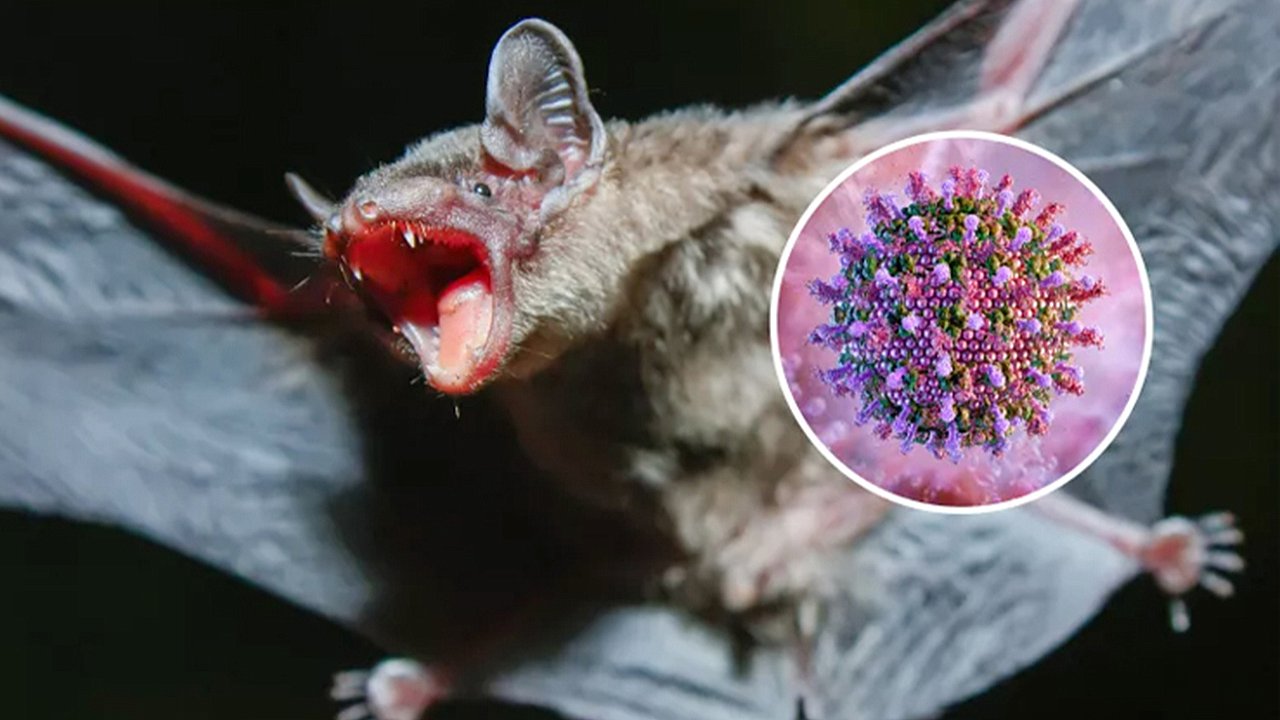
In a comprehensive virological study, researchers have uncovered 22 previously unidentified viruses within the kidney tissues of 142 bats collected across Yunnan province in southern China. Conducted between 2017 and 2021, the investigation used advanced genetic sequencing techniques and has sparked global concern regarding the possible transmission of these viruses to humans or livestock.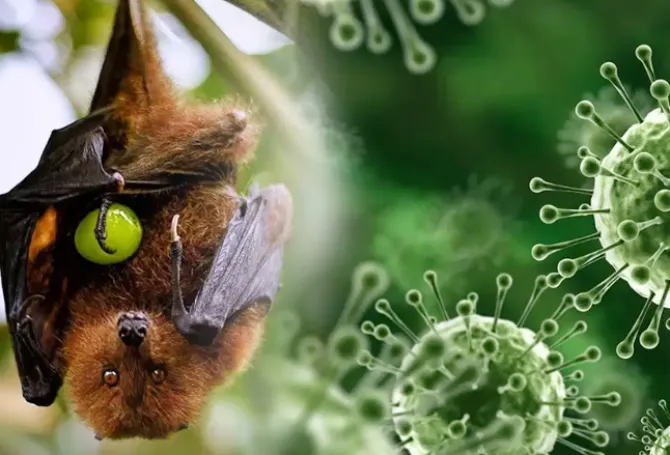 Yunnan is well known for its rich biodiversity and proximity between wildlife and human settlements—conditions ideal for zoonotic spillovers. Researchers emphasized that the bats studied were roosting in orchards near rural yet populated villages, increasing the chances of human exposure to viral pathogens.Two Henipavirus Relatives Raise Alarms
Among the 22 newly detected viruses, two were genetically similar to Hendra and Nipah viruses—members of the deadly henipavirus family. These viruses have previously caused outbreaks with high mortality rates, particularly in Southeast Asia and Australia. The new henipaviruses, officially named Yunnan bat henipavirus 1 and Yunnan bat henipavirus 2, share 52–57% of their genetic material with Hendra and Nipah, marking them as possible health threats.“This is particularly concerning because these viruses were mostly located in bat kidneys—a primary site for urine production,” said Professor Vinod Balasubramaniam, a molecular virologist at Monash University in Australia. “This strongly suggests a route of human exposure through contaminated fruit or water, especially in areas where fruit bats feed near human dwellings.”Kidney Samples Shift Focus in Viral Research
Unlike many previous studies that primarily analyzed fecal samples, this research focused specifically on bat kidneys. This strategic shift highlighted the importance of internal organ reservoirs in harboring viruses that could be more easily transmitted to other species.The study, published in PLOS Pathogens, marks the first time full genomes of henipaviruses have been detected in Chinese bats, providing a crucial piece of the puzzle in understanding how these viruses evolve and spread.New Bacteria and Parasite Also Discovered
The study didn’t just stop at viruses. Researchers also uncovered several entirely new microbial species. These included two bacterial strains—one of which was abundant and has been named Flavobacterium yunnanensis—and a previously unknown single-celled parasite named Klossiella yunnanensis. All of these discoveries suggest that bat kidneys may host a much broader infectome than previously realized.Zoonotic Risk and Ecological Hotspots
Yunnan’s climate closely resembles that of regions in Malaysia where Nipah outbreaks have occurred, further underscoring the area’s potential as a hotspot for emerging infectious diseases. Professor Balasubramaniam warned that regions like Yunnan must be closely monitored for zoonotic threats given their ecology, biodiversity, and close human–animal interactions.The researchers stressed that viruses do not need direct bat-to-human contact to spill over. Instead, they can spread through intermediate hosts—such as pigs—or through indirect means like ingestion of fruit or water contaminated with bat urine or saliva.Global Implications for Future Disease Emergence
Bat-borne pathogens have previously been linked to several major outbreaks, including Ebola, Marburg, SARS, MERS, and COVID-19. These findings, according to the authors, provide further evidence that bats serve as key reservoirs for emerging diseases. They urge global health organizations to prioritize early detection and surveillance efforts in regions where bats and humans live in close proximity.“This research underscores the urgent need for proactive monitoring of wildlife pathogens before they jump to humans,” the study concludes.
In a comprehensive virological study, researchers have uncovered 22 previously unidentified viruses within the kidney tissues of 142 bats collected across Yunnan province in southern China. Conducted between 2017 and 2021, the investigation used advanced genetic sequencing techniques and has sparked global concern regarding the possible transmission of these viruses to humans or livestock.
Yunnan is well known for its rich biodiversity and proximity between wildlife and human settlements—conditions ideal for zoonotic spillovers. Researchers emphasized that the bats studied were roosting in orchards near rural yet populated villages, increasing the chances of human exposure to viral pathogens.Two Henipavirus Relatives Raise AlarmsAmong the 22 newly detected viruses, two were genetically similar to Hendra and Nipah viruses—members of the deadly henipavirus family. These viruses have previously caused outbreaks with high mortality rates, particularly in Southeast Asia and Australia. The new henipaviruses, officially named Yunnan bat henipavirus 1 and Yunnan bat henipavirus 2, share 52–57% of their genetic material with Hendra and Nipah, marking them as possible health threats.“This is particularly concerning because these viruses were mostly located in bat kidneys—a primary site for urine production,” said Professor Vinod Balasubramaniam, a molecular virologist at Monash University in Australia. “This strongly suggests a route of human exposure through contaminated fruit or water, especially in areas where fruit bats feed near human dwellings.”Kidney Samples Shift Focus in Viral Research
Unlike many previous studies that primarily analyzed fecal samples, this research focused specifically on bat kidneys. This strategic shift highlighted the importance of internal organ reservoirs in harboring viruses that could be more easily transmitted to other species.The study, published in PLOS Pathogens, marks the first time full genomes of henipaviruses have been detected in Chinese bats, providing a crucial piece of the puzzle in understanding how these viruses evolve and spread.New Bacteria and Parasite Also Discovered
The study didn’t just stop at viruses. Researchers also uncovered several entirely new microbial species. These included two bacterial strains—one of which was abundant and has been named Flavobacterium yunnanensis—and a previously unknown single-celled parasite named Klossiella yunnanensis. All of these discoveries suggest that bat kidneys may host a much broader infectome than previously realized.Zoonotic Risk and Ecological Hotspots
Yunnan’s climate closely resembles that of regions in Malaysia where Nipah outbreaks have occurred, further underscoring the area’s potential as a hotspot for emerging infectious diseases. Professor Balasubramaniam warned that regions like Yunnan must be closely monitored for zoonotic threats given their ecology, biodiversity, and close human–animal interactions.The researchers stressed that viruses do not need direct bat-to-human contact to spill over. Instead, they can spread through intermediate hosts—such as pigs—or through indirect means like ingestion of fruit or water contaminated with bat urine or saliva.Global Implications for Future Disease Emergence
Bat-borne pathogens have previously been linked to several major outbreaks, including Ebola, Marburg, SARS, MERS, and COVID-19. These findings, according to the authors, provide further evidence that bats serve as key reservoirs for emerging diseases. They urge global health organizations to prioritize early detection and surveillance efforts in regions where bats and humans live in close proximity.“This research underscores the urgent need for proactive monitoring of wildlife pathogens before they jump to humans,” the study concludes.