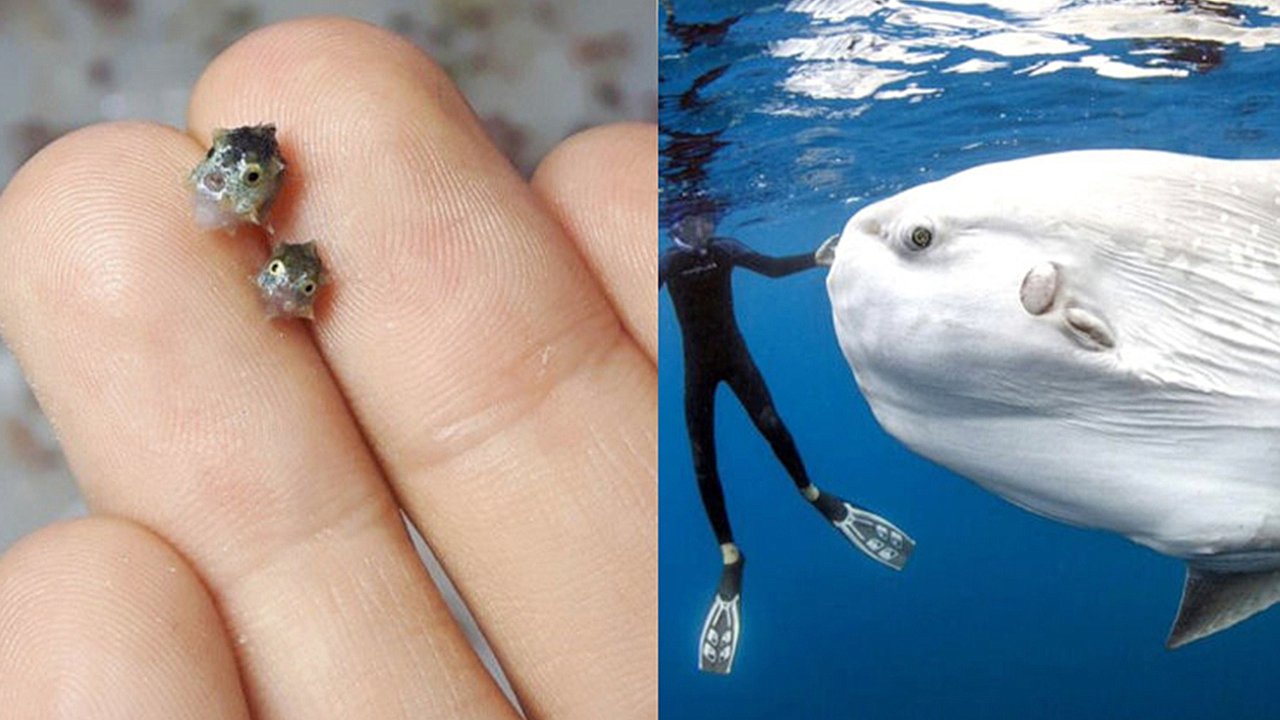
The ocean sunfish, also known as the common mola, has recently surged into the spotlight once again, thanks to viral images shared by marine biologist Dr. Michael Sweet. These side-by-side pictures of an adult sunfish and its nearly microscopic baby have shocked and fascinated the internet, reminding us just how mysterious and extraordinary marine life can be. What begins as a tiny, bead-sized larva turns into one of the heaviest bony fish on Earth, a transformation so extreme that no other vertebrate species can match it in terms of relative growth.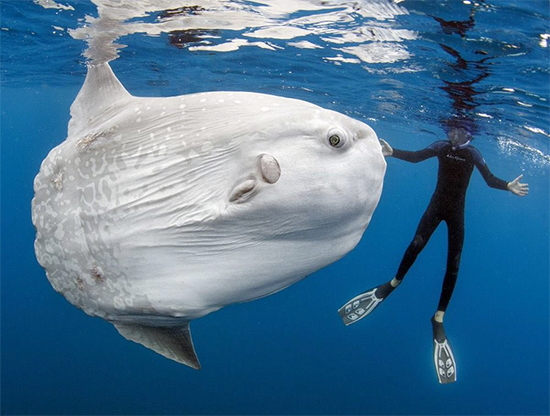 This incredible life story not only captivates biologists and nature enthusiasts but also inspires curiosity about the hidden wonders of the deep. In a world where marine ecosystems face increasing threats, the sunfish’s rise to viral fame offers an opportunity to highlight both its unusual biology and the urgent need to protect such remarkable creatures.The ocean sunfish’s astounding growth
The ocean sunfish stands out in the animal kingdom for one of the most dramatic growth patterns ever recorded. At birth, a baby sunfish measures only around 2.5mm—roughly the size of a grain of rice. From this minuscule beginning, it undergoes an extraordinary transformation, ultimately reaching weights between 247 kg and 1,000 kg or more. Scientists estimate that sunfish can grow up to 60 million times their original weight, a biological achievement that continues to amaze researchers worldwide. This extreme growth also helps explain the fascination behind the viral images circulating online, showing an almost invisible hatchling next to its colossal adult counterpart. Such content naturally grabs attention, making the ocean sunfish a trending topic across social platforms and search engines.The life and habitat of sunfish
Sunfish typically inhabit tropical and temperate oceans, drifting near the surface as they soak up sunlight. Their unique body shape—a flattened, almost disc-like form with elongated dorsal and anal fins—gives them an appearance many describe as otherworldly.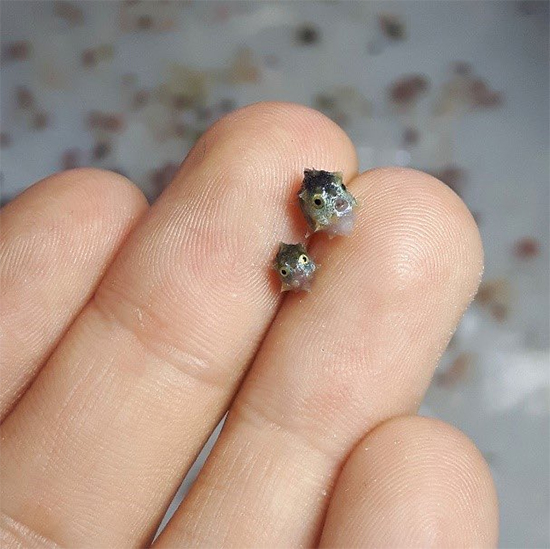 Despite their size, these gentle giants primarily feed on jellyfish, plankton, and small fish. Because they expend energy growing so rapidly, sunfish consume large amounts of low-calorie prey to sustain their development and maintain their massive bodies. Observers frequently spot them basking at the surface, a behavior that often draws divers, photographers, and curious viewers who marvel at their strange yet graceful presence in the water.The threats facing these gentle giants
Although ocean sunfish are impressive in size and resilience, they face numerous threats in modern oceans. Their slow movement and surface-dwelling habits make them easy targets for natural predators such as sharks and orcas. However, human-made dangers pose a far greater risk. Plastic pollution—especially floating plastic bags—can be deadly, as sunfish often mistake debris for jellyfish, their preferred food. Bycatch is another serious issue; sunfish frequently become unintentionally caught in commercial fishing nets, leading to injury and population decline. Pollution, habitat disruption, and climate-related changes in ocean temperature further complicate their survival, highlighting the need for stronger conservation measures.The sunfish’s cultural significance
In several coastal regions, particularly Japan, Korea, and Taiwan, sunfish are considered a delicacy with cultural and culinary importance. Their meat is used in a variety of dishes, especially in traditional cuisine. However, this cultural interest has sparked discussions among conservationists regarding sustainable fishing practices. Many experts advocate for stricter regulations on sunfish harvesting to ensure that this fascinating species does not become depleted due to overfishing or lack of awareness. Balancing cultural traditions with modern conservation efforts remains an essential part of protecting sunfish populations for future generations.Why sunfish continue to fascinate the world
The internet’s ongoing fascination with the ocean sunfish is more than a passing trend. Their bizarre anatomy, gentle behavior, and extreme growth trajectory make them one of the most intriguing marine species ever studied. Viral posts and stunning comparisons between adults and hatchlings only deepen public curiosity, encouraging more people to learn about ocean biodiversity. This widespread attention creates valuable opportunities for education and conservation, reminding us that many marvels of the sea remain unexplored and misunderstood. The ocean sunfish embodies the wonders still hidden beneath the waves—mysterious, massive, and endlessly captivating.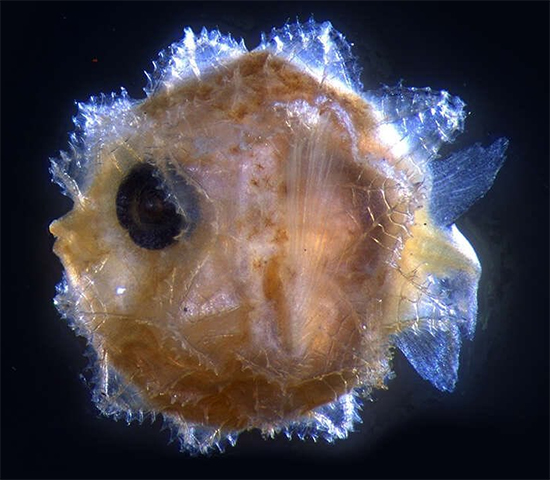 If you enjoyed learning about the incredible journey of the ocean sunfish, share this article with fellow ocean enthusiasts and help spread awareness about the extraordinary creatures living in our seas.
This incredible life story not only captivates biologists and nature enthusiasts but also inspires curiosity about the hidden wonders of the deep. In a world where marine ecosystems face increasing threats, the sunfish’s rise to viral fame offers an opportunity to highlight both its unusual biology and the urgent need to protect such remarkable creatures.The ocean sunfish’s astounding growthThe ocean sunfish stands out in the animal kingdom for one of the most dramatic growth patterns ever recorded. At birth, a baby sunfish measures only around 2.5mm—roughly the size of a grain of rice. From this minuscule beginning, it undergoes an extraordinary transformation, ultimately reaching weights between 247 kg and 1,000 kg or more. Scientists estimate that sunfish can grow up to 60 million times their original weight, a biological achievement that continues to amaze researchers worldwide. This extreme growth also helps explain the fascination behind the viral images circulating online, showing an almost invisible hatchling next to its colossal adult counterpart. Such content naturally grabs attention, making the ocean sunfish a trending topic across social platforms and search engines.The life and habitat of sunfish
Sunfish typically inhabit tropical and temperate oceans, drifting near the surface as they soak up sunlight. Their unique body shape—a flattened, almost disc-like form with elongated dorsal and anal fins—gives them an appearance many describe as otherworldly.
Despite their size, these gentle giants primarily feed on jellyfish, plankton, and small fish. Because they expend energy growing so rapidly, sunfish consume large amounts of low-calorie prey to sustain their development and maintain their massive bodies. Observers frequently spot them basking at the surface, a behavior that often draws divers, photographers, and curious viewers who marvel at their strange yet graceful presence in the water.The threats facing these gentle giantsAlthough ocean sunfish are impressive in size and resilience, they face numerous threats in modern oceans. Their slow movement and surface-dwelling habits make them easy targets for natural predators such as sharks and orcas. However, human-made dangers pose a far greater risk. Plastic pollution—especially floating plastic bags—can be deadly, as sunfish often mistake debris for jellyfish, their preferred food. Bycatch is another serious issue; sunfish frequently become unintentionally caught in commercial fishing nets, leading to injury and population decline. Pollution, habitat disruption, and climate-related changes in ocean temperature further complicate their survival, highlighting the need for stronger conservation measures.The sunfish’s cultural significance
In several coastal regions, particularly Japan, Korea, and Taiwan, sunfish are considered a delicacy with cultural and culinary importance. Their meat is used in a variety of dishes, especially in traditional cuisine. However, this cultural interest has sparked discussions among conservationists regarding sustainable fishing practices. Many experts advocate for stricter regulations on sunfish harvesting to ensure that this fascinating species does not become depleted due to overfishing or lack of awareness. Balancing cultural traditions with modern conservation efforts remains an essential part of protecting sunfish populations for future generations.Why sunfish continue to fascinate the world
The internet’s ongoing fascination with the ocean sunfish is more than a passing trend. Their bizarre anatomy, gentle behavior, and extreme growth trajectory make them one of the most intriguing marine species ever studied. Viral posts and stunning comparisons between adults and hatchlings only deepen public curiosity, encouraging more people to learn about ocean biodiversity. This widespread attention creates valuable opportunities for education and conservation, reminding us that many marvels of the sea remain unexplored and misunderstood. The ocean sunfish embodies the wonders still hidden beneath the waves—mysterious, massive, and endlessly captivating.
If you enjoyed learning about the incredible journey of the ocean sunfish, share this article with fellow ocean enthusiasts and help spread awareness about the extraordinary creatures living in our seas.