Rubin Observatory Begins Historic Sky Survey with Dazzling First Images
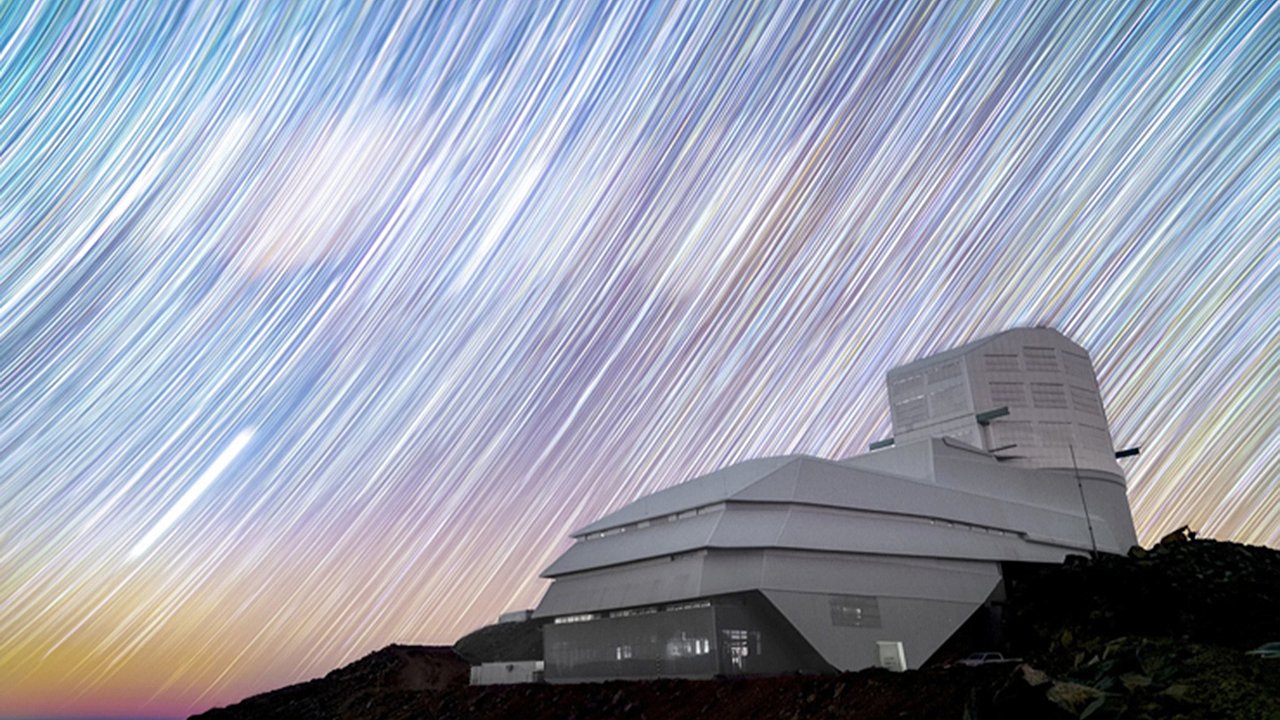
The Vera C. Rubin Observatory has officially launched its ambitious 10-year survey, the Legacy Survey of Space and Time (LSST), by releasing its first mesmerizing images of the universe. Situated high atop Cerro Pachón in Chile at 5,200 feet (1,600 meters), the observatory’s advanced 8.4-meter Simonyi Survey Telescope and its powerful LSSTCam—the largest digital camera ever built—will scan the entire southern night sky every three nights, providing the most extensive and continuous map of the Southern Hemisphere’s heavens to date.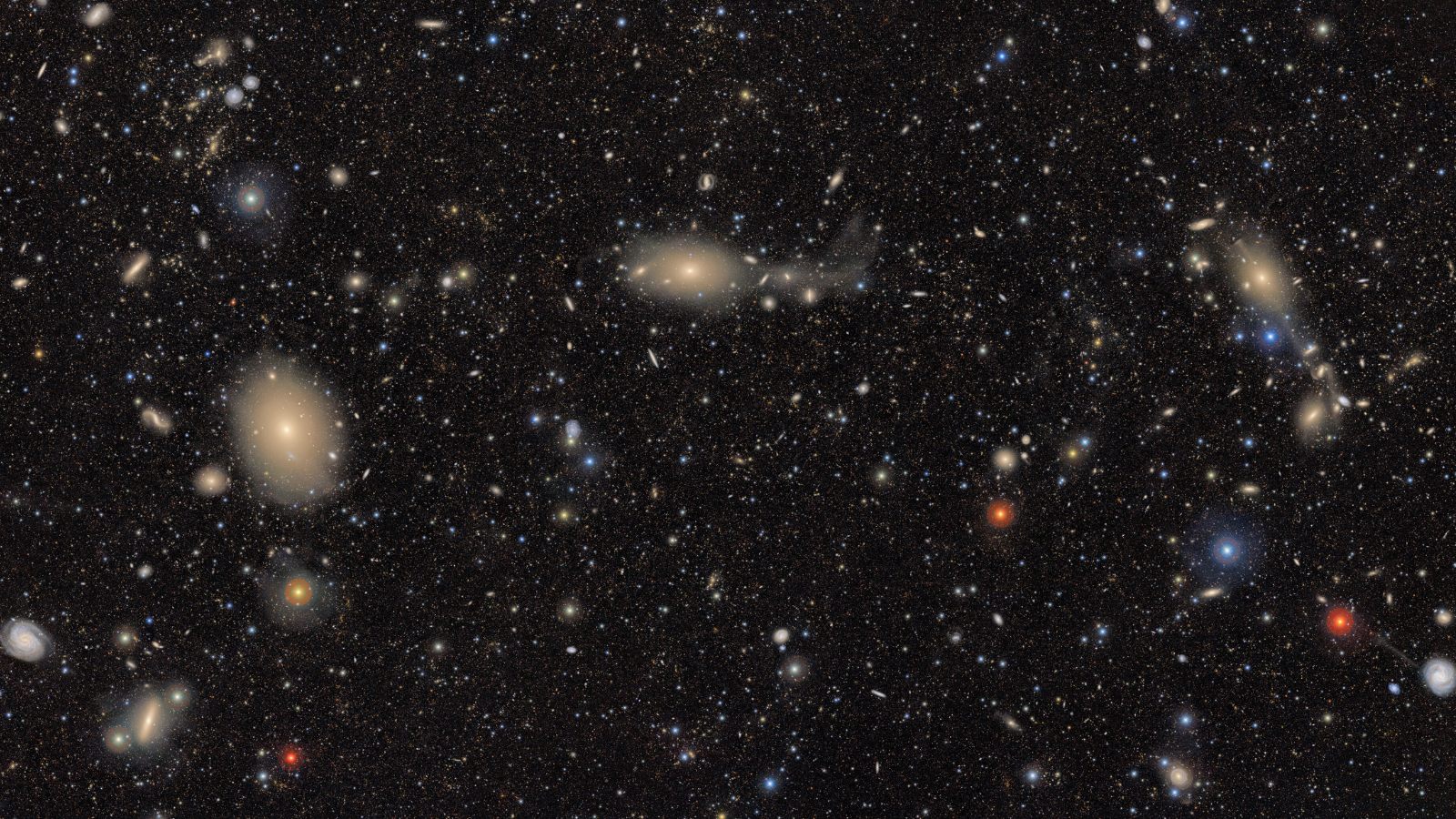 At the heart of this project is the search to better understand dark energy and dark matter—two elusive components that make up the majority of the universe’s mass-energy content. Dark matter, which accounts for around 85% of all matter, and dark energy, the force behind the accelerating expansion of the cosmos, remain some of the greatest mysteries in astrophysics. Rubin’s mission aims to illuminate these cosmic enigmas.A Stunning First Look: The Virgo Cluster and 10 Million Galaxies
Rubin’s debut image focuses on the Virgo Cluster, located about 53.8 million light-years away, and showcases a stunning tapestry of cosmic phenomena. The photo contains a mix of bright foreground stars, blue spiral galaxies, and distant red galaxy groups, highlighting the immense depth and detail the observatory can capture. Incredibly, this single image contains data on approximately 10 million galaxies—just 0.05% of the estimated 20 billion galaxies Rubin will document by the end of its mission.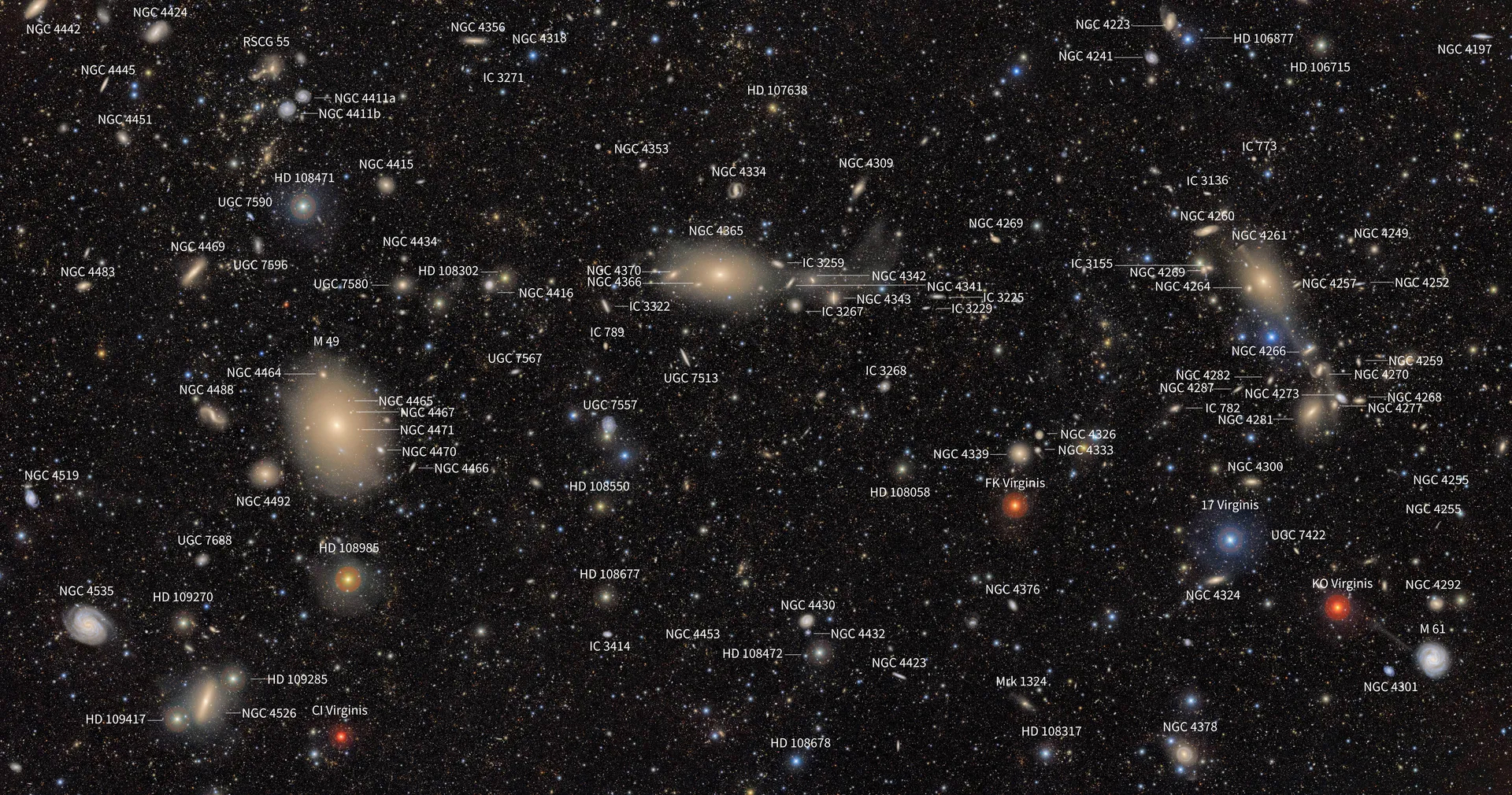 With the capacity to capture areas equivalent to 45 full moons in a single shot, the observatory will ultimately collect data on 40 billion celestial bodies. This means that—for the first time—astronomers will catalog more cosmic objects than there are people on Earth.Many of the objects seen in these images are completely new to science, making Rubin not just a powerful observatory, but also a gateway to uncharted realms of the universe.A Telescope That Captures Time: The Dawn of Astro-Cinematography
Unlike traditional observatories, Rubin’s true strength lies in its ability to capture the evolution of the sky over time. With its unparalleled scan speed—10 to 100 times faster than similar telescopes—Rubin can detect changes and movements in celestial bodies, effectively creating a “movie” of the universe. This new observational technique, often called astro-cinematography, brings time into focus as a new dimension in astronomy.Rubin will track over 100 million variable stars, monitor transiting exoplanets, and capture countless supernova explosions, including the vital Type Ia supernovas, which serve as cosmic distance markers due to their consistent luminosity. These data will provide astronomers with unprecedented accuracy in measuring the scale of the universe.Closer to Earth, Rubin will map thousands of asteroids and near-Earth objects (NEOs), helping space agencies like NASA assess potential collision risks and develop planetary defense strategies.Real-Time Sky Alerts and Transient Phenomena
One of Rubin’s most groundbreaking features is its ability to detect and report transient events—sudden changes in brightness or movement—in real time. As Sara (Rosaria) Bonito of the LSST Discovery Alliance notes, “If something in the sky moves or changes, Rubin will detect it and distribute the information globally.” This capability opens the door to observing events like supernovae and asteroid flybys as they happen, giving astronomers and citizen scientists alike a front-row seat to cosmic drama.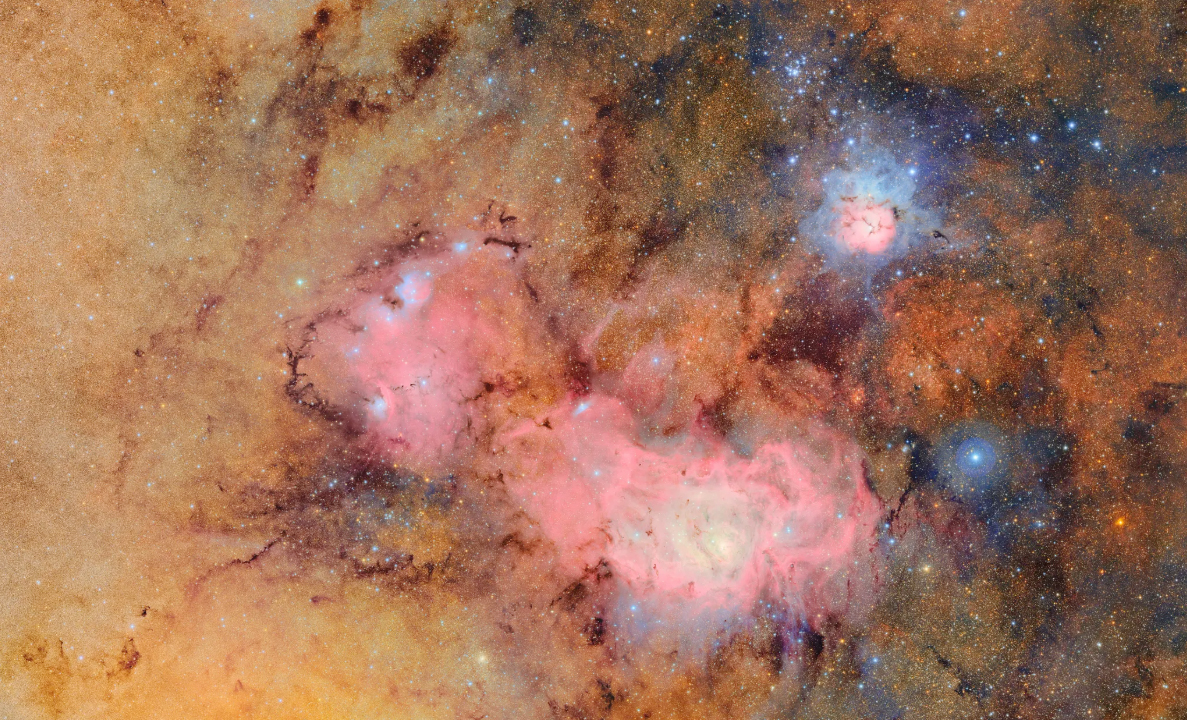 Rubin’s dynamic, multicolor, decade-long movie of the sky will bring the universe to life, offering not just still snapshots, but an ongoing narrative of celestial evolution.A New Level of Detail: Preview Images from Deep Space
Even before the main image releases, Rubin offered a series of preview snapshots, allowing the public to appreciate the observatory’s incredible resolution and depth. Among these are views of the Trifid Nebula and Lagoon Nebula, vast stellar nurseries located between 4,000 and 9,000 light-years away. These nebulae, composed of gas and dust, are captured in intricate detail thanks to a composite of 678 images taken over 7 hours.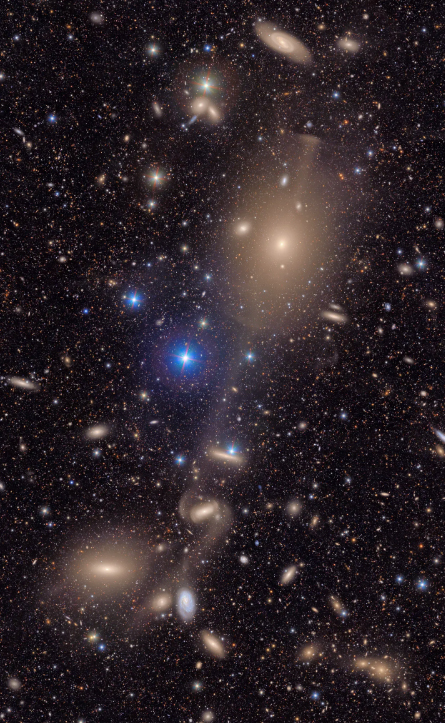 Rubin’s LSSTCam excels in revealing otherwise invisible cosmic features, like the fine filaments of dust and gas in nebulae, or faint galaxies billions of light-years away.Another preview image shows a tiny portion of the Virgo Cluster, highlighting everything from Milky Way stars in the foreground to spiral galaxies and merging galaxy groups in the background. This sub-image alone accounts for just 1/50th of the full image, illustrating the immense scope Rubin covers in each observation.The Road Ahead: A Transformational Legacy for Astronomy
As the LSST prepares for full operations in the coming months, scientists around the world are brimming with anticipation. The observatory is not only a technological marvel, but also a transformational tool for future generations of astronomers, physicists, and data scientists.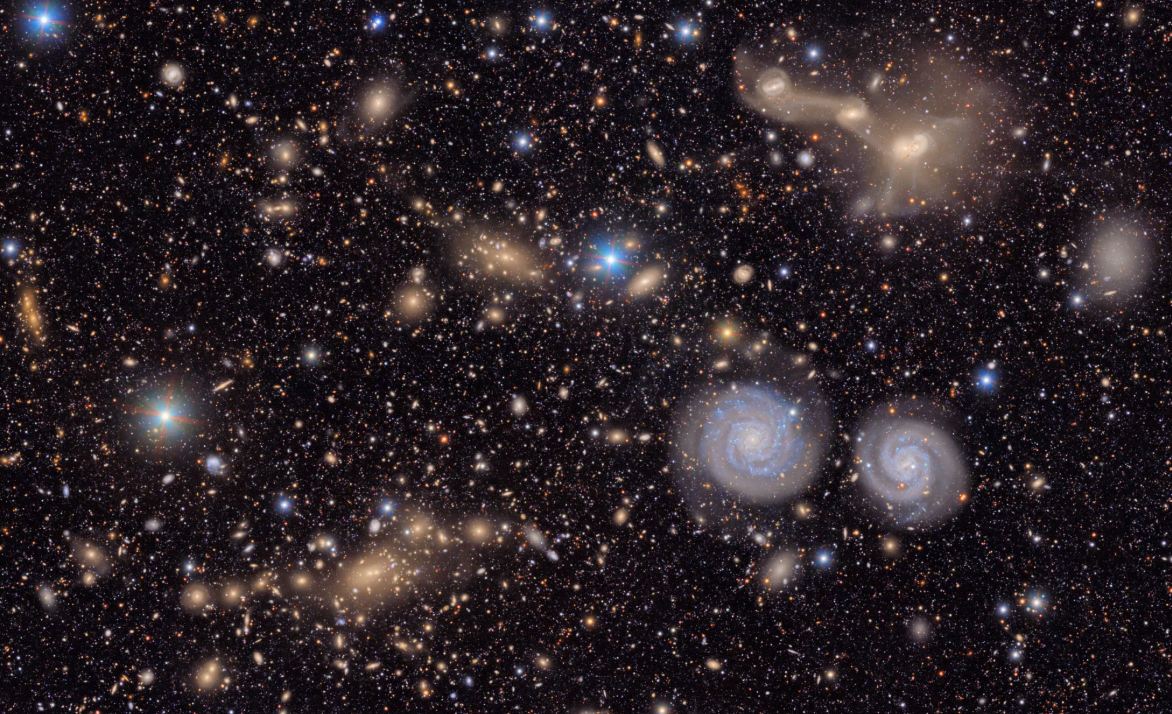 “The Rubin Observatory is a revolutionary platform,” Bonito emphasized. “It offers tools not just for astrophysics, but for the future of data science itself.”Indeed, the observatory's LSST Science Pipelines, which process and clean raw data, are already showcasing the power of Rubin’s advanced software systems—tools that will be essential for navigating the massive data streams generated by the observatory.With 10 years of data collection ahead, Rubin is poised to reshape our understanding of everything from nearby asteroids to the structure of the cosmos itself.
The Vera C. Rubin Observatory has officially launched its ambitious 10-year survey, the Legacy Survey of Space and Time (LSST), by releasing its first mesmerizing images of the universe. Situated high atop Cerro Pachón in Chile at 5,200 feet (1,600 meters), the observatory’s advanced 8.4-meter Simonyi Survey Telescope and its powerful LSSTCam—the largest digital camera ever built—will scan the entire southern night sky every three nights, providing the most extensive and continuous map of the Southern Hemisphere’s heavens to date.
At the heart of this project is the search to better understand dark energy and dark matter—two elusive components that make up the majority of the universe’s mass-energy content. Dark matter, which accounts for around 85% of all matter, and dark energy, the force behind the accelerating expansion of the cosmos, remain some of the greatest mysteries in astrophysics. Rubin’s mission aims to illuminate these cosmic enigmas.A Stunning First Look: The Virgo Cluster and 10 Million GalaxiesRubin’s debut image focuses on the Virgo Cluster, located about 53.8 million light-years away, and showcases a stunning tapestry of cosmic phenomena. The photo contains a mix of bright foreground stars, blue spiral galaxies, and distant red galaxy groups, highlighting the immense depth and detail the observatory can capture. Incredibly, this single image contains data on approximately 10 million galaxies—just 0.05% of the estimated 20 billion galaxies Rubin will document by the end of its mission.
With the capacity to capture areas equivalent to 45 full moons in a single shot, the observatory will ultimately collect data on 40 billion celestial bodies. This means that—for the first time—astronomers will catalog more cosmic objects than there are people on Earth.Many of the objects seen in these images are completely new to science, making Rubin not just a powerful observatory, but also a gateway to uncharted realms of the universe.A Telescope That Captures Time: The Dawn of Astro-CinematographyUnlike traditional observatories, Rubin’s true strength lies in its ability to capture the evolution of the sky over time. With its unparalleled scan speed—10 to 100 times faster than similar telescopes—Rubin can detect changes and movements in celestial bodies, effectively creating a “movie” of the universe. This new observational technique, often called astro-cinematography, brings time into focus as a new dimension in astronomy.Rubin will track over 100 million variable stars, monitor transiting exoplanets, and capture countless supernova explosions, including the vital Type Ia supernovas, which serve as cosmic distance markers due to their consistent luminosity. These data will provide astronomers with unprecedented accuracy in measuring the scale of the universe.Closer to Earth, Rubin will map thousands of asteroids and near-Earth objects (NEOs), helping space agencies like NASA assess potential collision risks and develop planetary defense strategies.Real-Time Sky Alerts and Transient Phenomena
One of Rubin’s most groundbreaking features is its ability to detect and report transient events—sudden changes in brightness or movement—in real time. As Sara (Rosaria) Bonito of the LSST Discovery Alliance notes, “If something in the sky moves or changes, Rubin will detect it and distribute the information globally.” This capability opens the door to observing events like supernovae and asteroid flybys as they happen, giving astronomers and citizen scientists alike a front-row seat to cosmic drama.
Rubin’s dynamic, multicolor, decade-long movie of the sky will bring the universe to life, offering not just still snapshots, but an ongoing narrative of celestial evolution.A New Level of Detail: Preview Images from Deep SpaceEven before the main image releases, Rubin offered a series of preview snapshots, allowing the public to appreciate the observatory’s incredible resolution and depth. Among these are views of the Trifid Nebula and Lagoon Nebula, vast stellar nurseries located between 4,000 and 9,000 light-years away. These nebulae, composed of gas and dust, are captured in intricate detail thanks to a composite of 678 images taken over 7 hours.
Rubin’s LSSTCam excels in revealing otherwise invisible cosmic features, like the fine filaments of dust and gas in nebulae, or faint galaxies billions of light-years away.Another preview image shows a tiny portion of the Virgo Cluster, highlighting everything from Milky Way stars in the foreground to spiral galaxies and merging galaxy groups in the background. This sub-image alone accounts for just 1/50th of the full image, illustrating the immense scope Rubin covers in each observation.The Road Ahead: A Transformational Legacy for AstronomyAs the LSST prepares for full operations in the coming months, scientists around the world are brimming with anticipation. The observatory is not only a technological marvel, but also a transformational tool for future generations of astronomers, physicists, and data scientists.
“The Rubin Observatory is a revolutionary platform,” Bonito emphasized. “It offers tools not just for astrophysics, but for the future of data science itself.”Indeed, the observatory's LSST Science Pipelines, which process and clean raw data, are already showcasing the power of Rubin’s advanced software systems—tools that will be essential for navigating the massive data streams generated by the observatory.With 10 years of data collection ahead, Rubin is poised to reshape our understanding of everything from nearby asteroids to the structure of the cosmos itself.