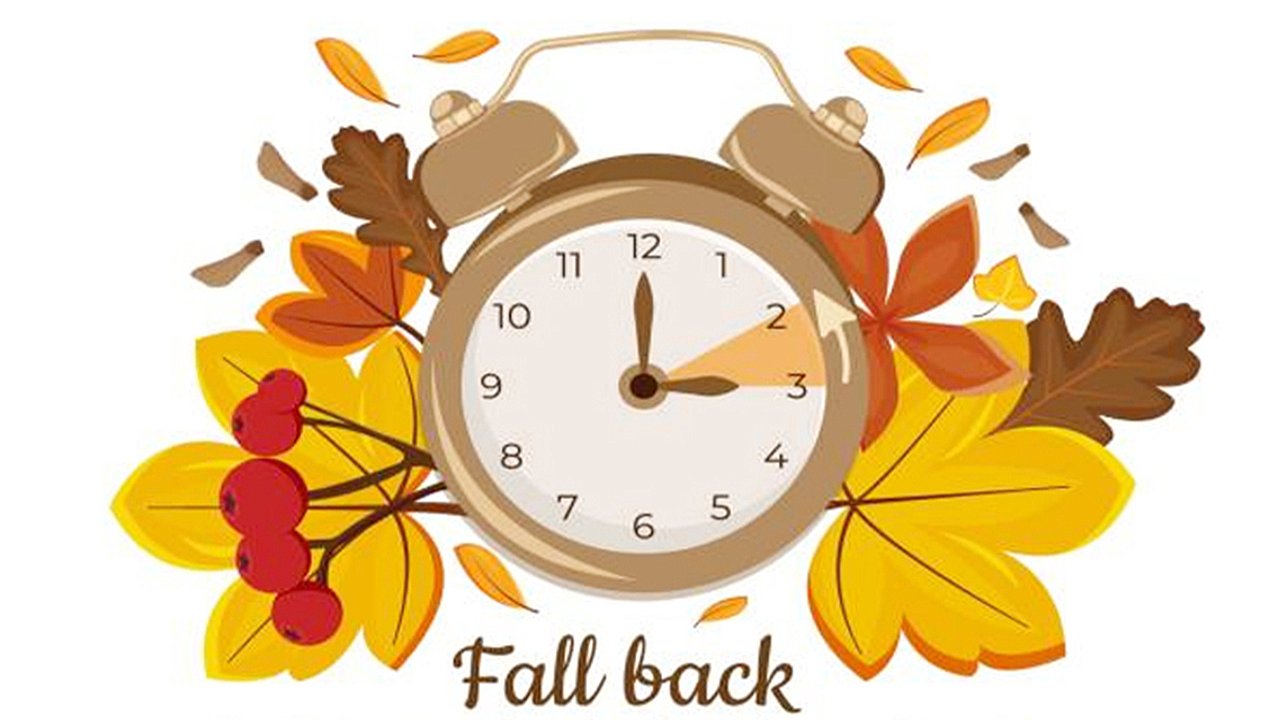
Daylight saving time ends soon: Get ready to “fall back”The end of daylight saving time is approaching, signaling that it’s almost time for Americans to set their clocks back one hour. On Sunday, November 2, 2025, at 2 a.m., most U.S. states will “fall back” to standard time. This annual shift gives people an extra hour of sleep, earlier sunrises, and darker evenings that arrive well before dinnertime.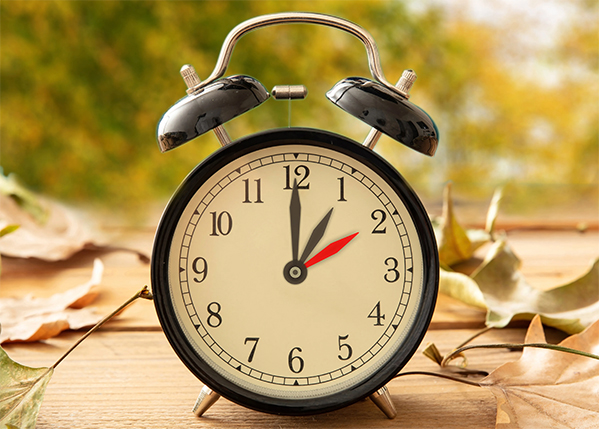 While many appreciate the extra rest, others dislike the sudden change in daylight patterns. The transition marks the official end of longer summer evenings and the start of shorter winter days. It’s a ritual Americans have followed for over a century—one that continues to spark debate in Congress about whether it should remain in place. Despite efforts to end the practice, the familiar rhythm of “spring forward” and “fall back” remains a part of American life.When do clocks change in 2025?In 2025, daylight saving time officially ends at 2 a.m. on Sunday, November 2. At that time, clocks will move back one hour to 1 a.m., effectively giving everyone a little more rest. Most smartphones, computers, and digital devices will automatically update, but it’s still wise to double-check manual clocks, alarm systems, and appliances.After the change, mornings will become brighter earlier, while evenings will grow darker sooner. This adjustment remains in place until the second Sunday in March 2026, when daylight saving time begins again, and clocks will “spring forward” one hour.Why daylight saving time was createdDaylight saving time (DST) was first introduced during World War I as a way to conserve energy by extending daylight hours. Germany was the first nation to adopt it in 1916, and the United States soon followed through the Standard Time Act of 1918. The idea was to make better use of natural light and reduce the need for artificial lighting during the war.Initially known as “war time,” DST was a temporary measure that lasted from spring through fall. The same act also established America’s five time zones, forming the foundation for how time is measured across the country today.Following periods of inconsistency and confusion, Congress passed the Uniform Time Act of 1966, granting the Department of Transportation the authority to regulate DST and standardize time zones. This law created a uniform start and end date for daylight saving time, ensuring that most states would “spring forward” and “fall back” on the same schedule nationwide.How daylight saving time has changed over the yearsSince its introduction, daylight saving time has undergone several adjustments. The most recent major change occurred in 2005, when President George W. Bush signed a law extending DST by several weeks. Today, it runs from the second Sunday in March until the first Sunday in November.While the majority of Americans observe DST, Arizona and Hawaii do not. Federal law allows states to opt out and stay on standard time year-round but does not permit them to remain on daylight time permanently. Some U.S. territories, including Puerto Rico, Guam, and the U.S. Virgin Islands, also stay on standard time throughout the year.Attempts to make daylight saving time permanentOver the years, lawmakers have repeatedly proposed making daylight saving time permanent to eliminate the twice-yearly clock changes. In 2022, the U.S. Senate unanimously approved the Sunshine Protection Act, which aimed to keep the nation on daylight time year-round. However, the measure did not advance in the House of Representatives.Supporters argue that a permanent daylight saving schedule could improve public health, reduce traffic accidents, and boost productivity. Critics, however, point to darker mornings—especially in winter—as a potential drawback, citing safety concerns for children and commuters.The U.S. has tried permanent daylight saving time before. During World War II, the government implemented year-round DST to conserve fuel. A similar trial run occurred in 1974 amid an energy crisis, but it was short-lived after public opposition over dark winter mornings.The ongoing debate and what’s nextDespite decades of discussion, the nation remains divided on whether to keep changing clocks. Former President Donald Trump once supported the idea of ending the semiannual shift but later called it a “50-50 issue.” With Congress showing little progress toward passing reform, Americans will once again follow the traditional cycle in 2025: “fall back” in November and “spring forward” in March.For now, daylight saving time continues to mark the rhythm of the seasons, shaping how Americans experience light and time throughout the year. Whether you love or loathe it, November 2, 2025, will once again be the day to gain an extra hour of sleep—and to mark the true arrival of autumn’s shorter days.
While many appreciate the extra rest, others dislike the sudden change in daylight patterns. The transition marks the official end of longer summer evenings and the start of shorter winter days. It’s a ritual Americans have followed for over a century—one that continues to spark debate in Congress about whether it should remain in place. Despite efforts to end the practice, the familiar rhythm of “spring forward” and “fall back” remains a part of American life.When do clocks change in 2025?In 2025, daylight saving time officially ends at 2 a.m. on Sunday, November 2. At that time, clocks will move back one hour to 1 a.m., effectively giving everyone a little more rest. Most smartphones, computers, and digital devices will automatically update, but it’s still wise to double-check manual clocks, alarm systems, and appliances.After the change, mornings will become brighter earlier, while evenings will grow darker sooner. This adjustment remains in place until the second Sunday in March 2026, when daylight saving time begins again, and clocks will “spring forward” one hour.Why daylight saving time was createdDaylight saving time (DST) was first introduced during World War I as a way to conserve energy by extending daylight hours. Germany was the first nation to adopt it in 1916, and the United States soon followed through the Standard Time Act of 1918. The idea was to make better use of natural light and reduce the need for artificial lighting during the war.Initially known as “war time,” DST was a temporary measure that lasted from spring through fall. The same act also established America’s five time zones, forming the foundation for how time is measured across the country today.Following periods of inconsistency and confusion, Congress passed the Uniform Time Act of 1966, granting the Department of Transportation the authority to regulate DST and standardize time zones. This law created a uniform start and end date for daylight saving time, ensuring that most states would “spring forward” and “fall back” on the same schedule nationwide.How daylight saving time has changed over the yearsSince its introduction, daylight saving time has undergone several adjustments. The most recent major change occurred in 2005, when President George W. Bush signed a law extending DST by several weeks. Today, it runs from the second Sunday in March until the first Sunday in November.While the majority of Americans observe DST, Arizona and Hawaii do not. Federal law allows states to opt out and stay on standard time year-round but does not permit them to remain on daylight time permanently. Some U.S. territories, including Puerto Rico, Guam, and the U.S. Virgin Islands, also stay on standard time throughout the year.Attempts to make daylight saving time permanentOver the years, lawmakers have repeatedly proposed making daylight saving time permanent to eliminate the twice-yearly clock changes. In 2022, the U.S. Senate unanimously approved the Sunshine Protection Act, which aimed to keep the nation on daylight time year-round. However, the measure did not advance in the House of Representatives.Supporters argue that a permanent daylight saving schedule could improve public health, reduce traffic accidents, and boost productivity. Critics, however, point to darker mornings—especially in winter—as a potential drawback, citing safety concerns for children and commuters.The U.S. has tried permanent daylight saving time before. During World War II, the government implemented year-round DST to conserve fuel. A similar trial run occurred in 1974 amid an energy crisis, but it was short-lived after public opposition over dark winter mornings.The ongoing debate and what’s nextDespite decades of discussion, the nation remains divided on whether to keep changing clocks. Former President Donald Trump once supported the idea of ending the semiannual shift but later called it a “50-50 issue.” With Congress showing little progress toward passing reform, Americans will once again follow the traditional cycle in 2025: “fall back” in November and “spring forward” in March.For now, daylight saving time continues to mark the rhythm of the seasons, shaping how Americans experience light and time throughout the year. Whether you love or loathe it, November 2, 2025, will once again be the day to gain an extra hour of sleep—and to mark the true arrival of autumn’s shorter days.