The Thrill of Fossil Hunting: A Young Adventurer’s Amazing Find
Beachcombing is a beloved pastime that often results in finding common treasures like seashells, sea glass, and driftwood. Occasionally, lucky explorers may come across something extraordinary buried in the sand, igniting a sense of adventure. Among the most exciting discoveries are fossils—remnants of prehistoric creatures that provide glimpses into Earth's ancient past.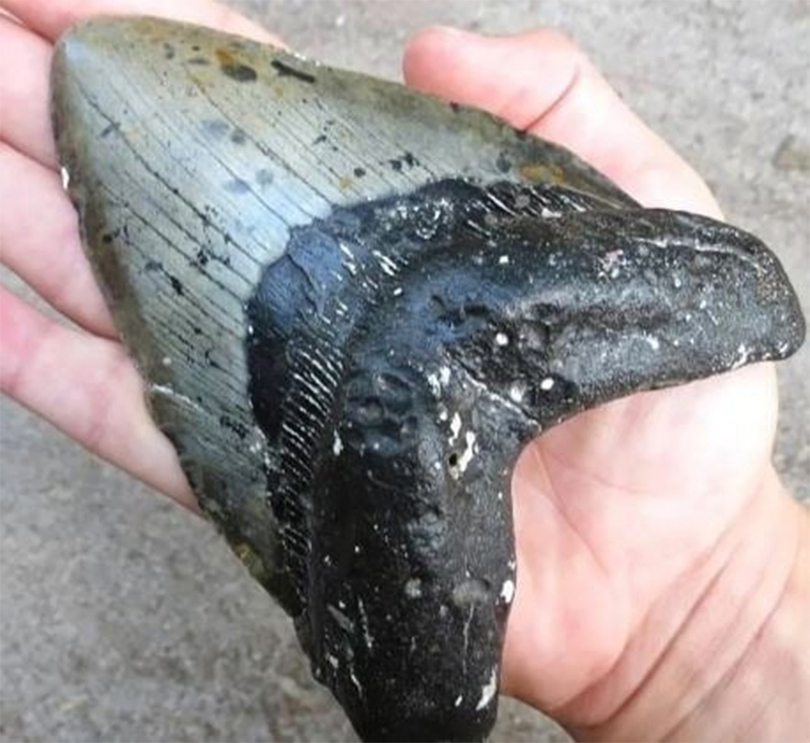
Fossil collecting offers an engaging way to explore history while enjoying the great outdoors. While most people associate fossil digs with remote desert landscapes, significant finds can be made right along the shoreline. Whether using a sieve, a small shovel, or simply one’s hands, the search for ancient relics can be an exciting experience. Many beginner fossil hunters focus on finding shark teeth, particularly those of the mighty Megalodon, a prehistoric predator that ruled the oceans millions of years ago.
The Megalodon, meaning “great tooth,” was a colossal species of shark that thrived from the Early Miocene to the Pliocene, roughly 23 to 3.6 million years ago. Although long extinct, the Megalodon continues to captivate scientists and fossil enthusiasts alike. Its massive, palm-sized teeth often wash ashore, leaving behind tangible traces of its existence. While smaller shark teeth are relatively common discoveries, stumbling upon a giant Megalodon tooth is a rare and thrilling experience. Some of the best locations for finding these fossils include Maryland’s Calvert Cliffs, where waves occasionally unearth remnants from the past.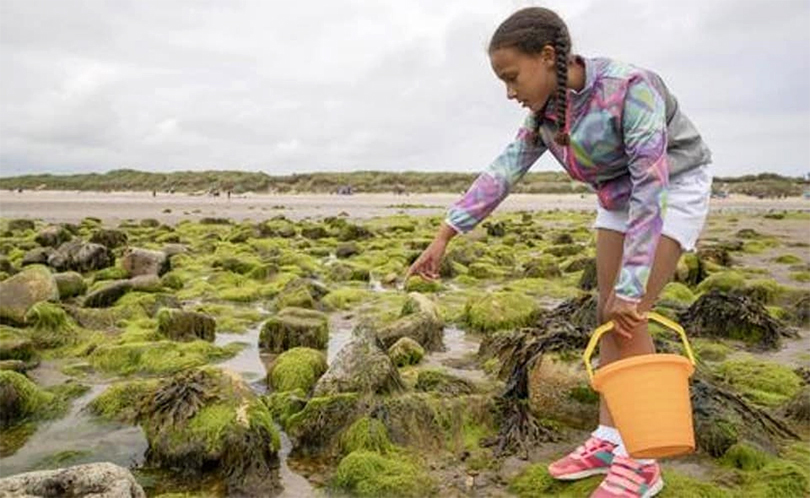
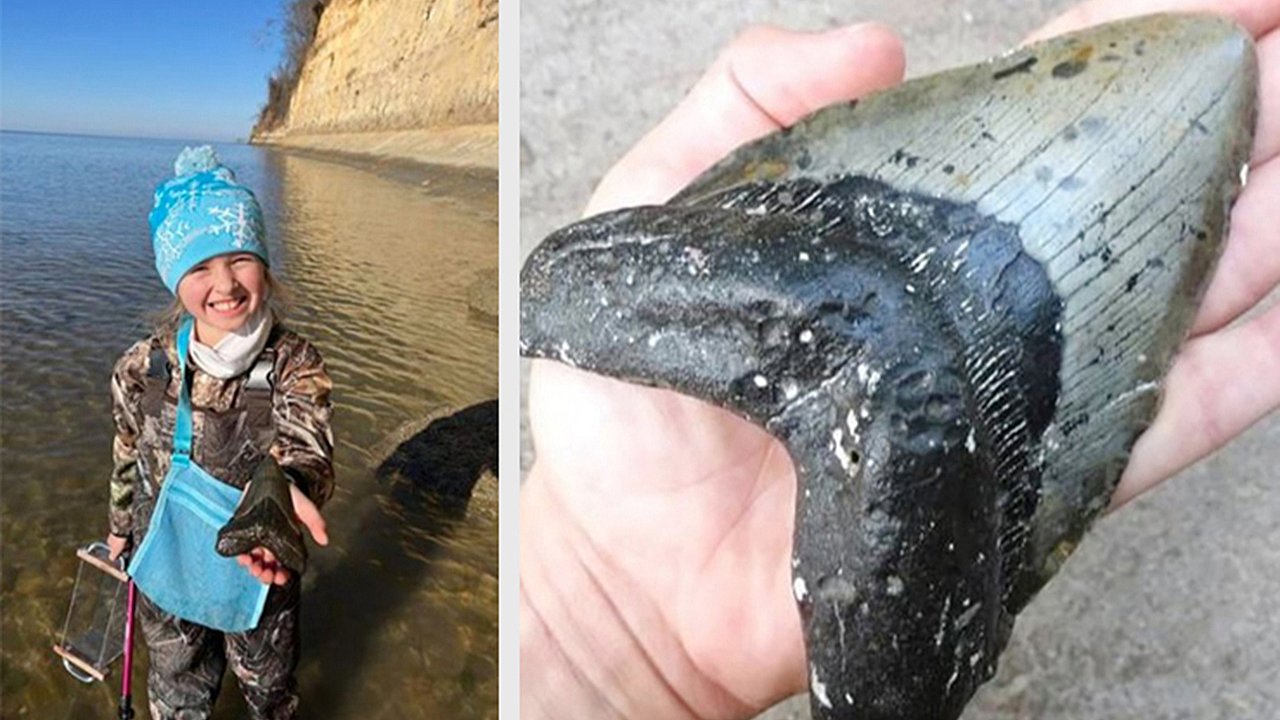
One such remarkable discovery was made by Molly Sampson, a 9-year-old girl with a deep passion for fossil hunting. On Christmas Day of 2022, Molly waded into the Chesapeake Bay with a singular mission: to find shark teeth. Equipped with new waders—her most wished-for holiday gift—she eagerly combed the shoreline. What she found exceeded her wildest dreams.
According to the Calvert Marine Museum, Molly unearthed a massive Megalodon tooth, a find that would make even seasoned fossil hunters envious. Her mother, Alicia Sampson, shared the heartwarming story with USA TODAY, expressing the family's overwhelming excitement. "She was beyond thrilled," Alicia recalled. Since childhood, Molly had been captivated by the idea of discovering a Megalodon tooth. Her perseverance finally paid off that fateful morning.
“I couldn’t believe it,” Molly told reporters. “It felt like a dream.” Rather than keeping her incredible find a secret, she generously shared it with experts at the local museum for further study. The excitement surrounding her discovery was infectious, spreading through the community and inspiring other young fossil hunters.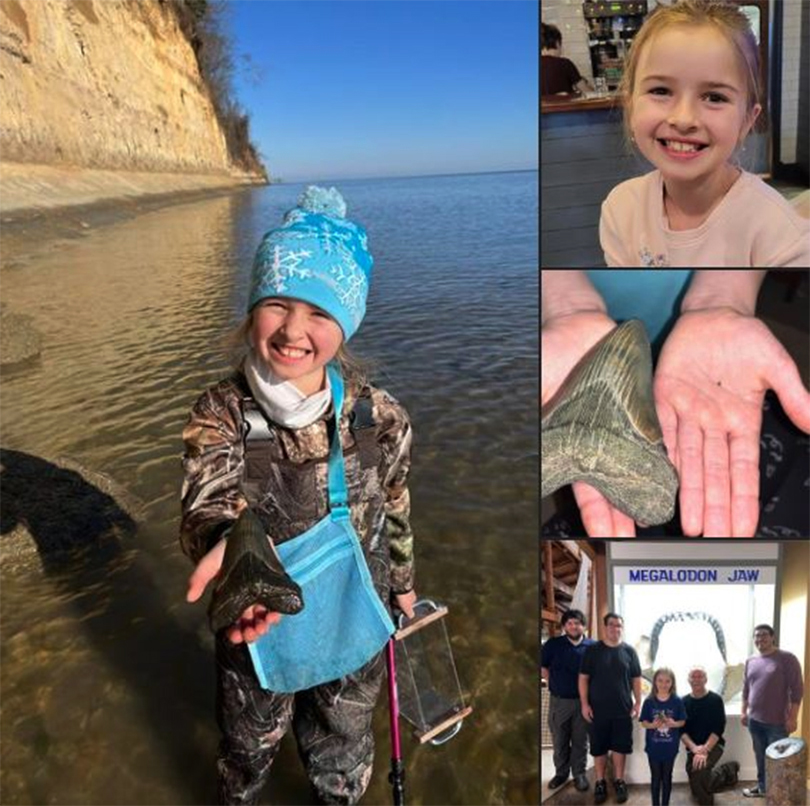
Dr. Stephen Godfrey, the curator of paleontology at the Calvert Marine Museum, confirmed the significance of Molly’s find. While Megalodon teeth are not entirely uncommon in the region, specimens of this size are quite rare. Estimated to be around 15 million years old, the tooth serves as a window into a prehistoric world where massive sharks ruled the seas. The museum showcased Molly’s find on its Facebook page, celebrating her remarkable discovery and emphasizing the joys of fossil hunting. Additionally, the museum’s “First Fossil Friday” initiative encourages individuals to bring in their finds for identification, helping to fuel interest in paleontology. With her passion ignited, Molly—and many others inspired by her story—will likely continue exploring the shorelines in search of more ancient treasures.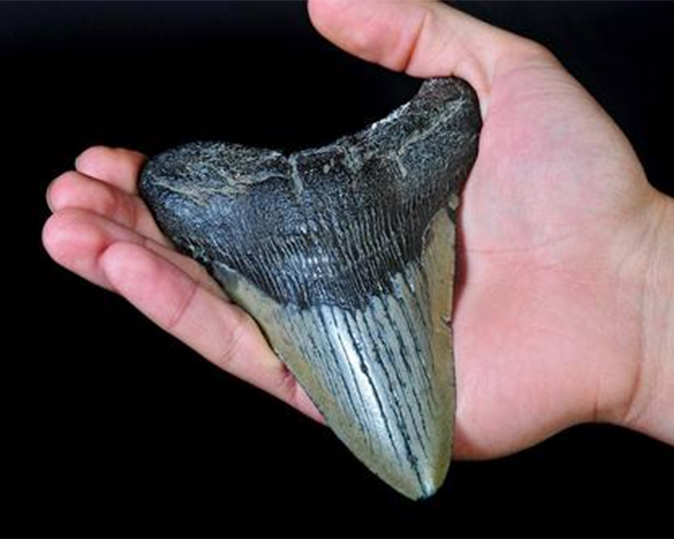
Have you ever embarked on a fossil-hunting adventure? Share your experiences and spread the excitement by encouraging friends and family to join the search. The ancient past is waiting to be uncovered—one fossil at a time.
Beachcombing is a beloved pastime that often results in finding common treasures like seashells, sea glass, and driftwood. Occasionally, lucky explorers may come across something extraordinary buried in the sand, igniting a sense of adventure. Among the most exciting discoveries are fossils—remnants of prehistoric creatures that provide glimpses into Earth's ancient past.
Fossil collecting offers an engaging way to explore history while enjoying the great outdoors. While most people associate fossil digs with remote desert landscapes, significant finds can be made right along the shoreline. Whether using a sieve, a small shovel, or simply one’s hands, the search for ancient relics can be an exciting experience. Many beginner fossil hunters focus on finding shark teeth, particularly those of the mighty Megalodon, a prehistoric predator that ruled the oceans millions of years ago.
The Megalodon, meaning “great tooth,” was a colossal species of shark that thrived from the Early Miocene to the Pliocene, roughly 23 to 3.6 million years ago. Although long extinct, the Megalodon continues to captivate scientists and fossil enthusiasts alike. Its massive, palm-sized teeth often wash ashore, leaving behind tangible traces of its existence. While smaller shark teeth are relatively common discoveries, stumbling upon a giant Megalodon tooth is a rare and thrilling experience. Some of the best locations for finding these fossils include Maryland’s Calvert Cliffs, where waves occasionally unearth remnants from the past.
One such remarkable discovery was made by Molly Sampson, a 9-year-old girl with a deep passion for fossil hunting. On Christmas Day of 2022, Molly waded into the Chesapeake Bay with a singular mission: to find shark teeth. Equipped with new waders—her most wished-for holiday gift—she eagerly combed the shoreline. What she found exceeded her wildest dreams.
According to the Calvert Marine Museum, Molly unearthed a massive Megalodon tooth, a find that would make even seasoned fossil hunters envious. Her mother, Alicia Sampson, shared the heartwarming story with USA TODAY, expressing the family's overwhelming excitement. "She was beyond thrilled," Alicia recalled. Since childhood, Molly had been captivated by the idea of discovering a Megalodon tooth. Her perseverance finally paid off that fateful morning.
“I couldn’t believe it,” Molly told reporters. “It felt like a dream.” Rather than keeping her incredible find a secret, she generously shared it with experts at the local museum for further study. The excitement surrounding her discovery was infectious, spreading through the community and inspiring other young fossil hunters.
Dr. Stephen Godfrey, the curator of paleontology at the Calvert Marine Museum, confirmed the significance of Molly’s find. While Megalodon teeth are not entirely uncommon in the region, specimens of this size are quite rare. Estimated to be around 15 million years old, the tooth serves as a window into a prehistoric world where massive sharks ruled the seas. The museum showcased Molly’s find on its Facebook page, celebrating her remarkable discovery and emphasizing the joys of fossil hunting. Additionally, the museum’s “First Fossil Friday” initiative encourages individuals to bring in their finds for identification, helping to fuel interest in paleontology. With her passion ignited, Molly—and many others inspired by her story—will likely continue exploring the shorelines in search of more ancient treasures.
Have you ever embarked on a fossil-hunting adventure? Share your experiences and spread the excitement by encouraging friends and family to join the search. The ancient past is waiting to be uncovered—one fossil at a time.