Catch Shooting Stars During the Rare Chi Cygnid Meteor Shower This Weekend
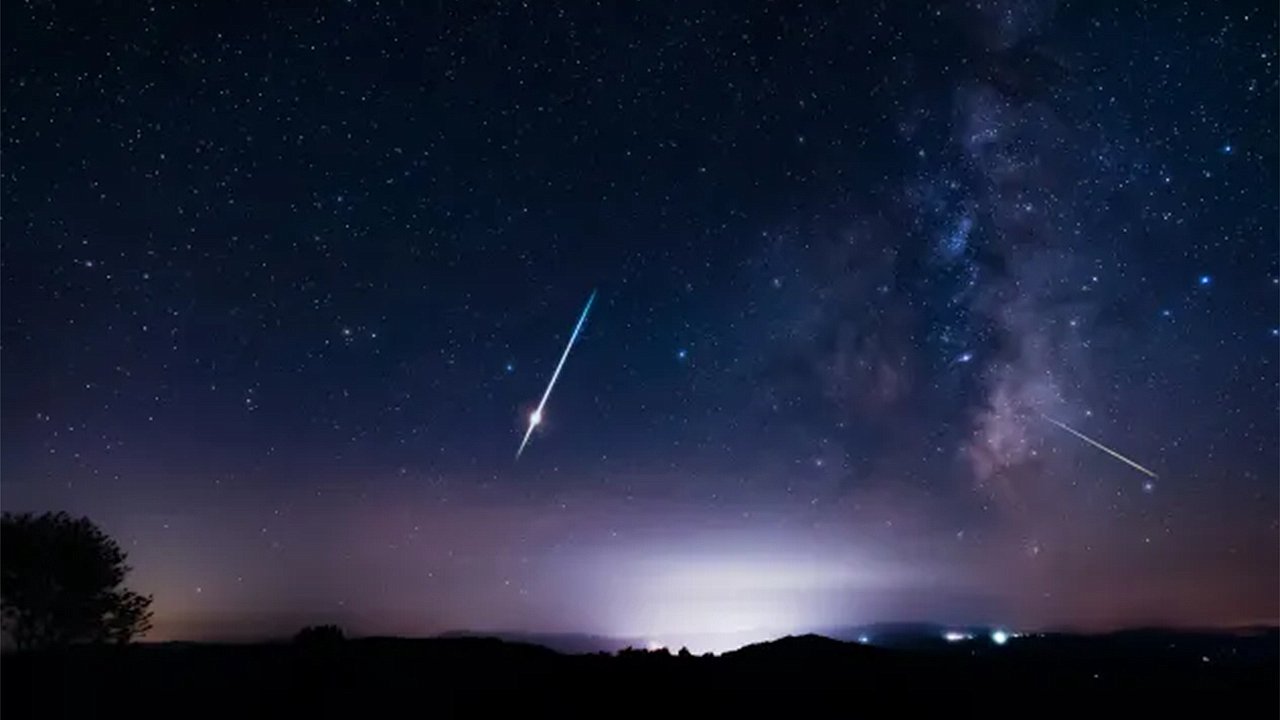
As September unfolds, skywatchers have an exciting cosmic event to look forward to. The Chi Cygnid meteor shower, a relatively new but increasingly intriguing phenomenon, will reach its peak between September 13 and September 15, 2025. Although it is considered a modest meteor shower in terms of overall meteor count, what sets it apart is the slow and easily visible motion of its meteors.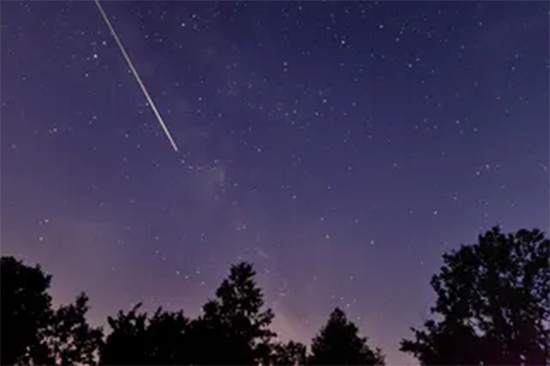 These slow-moving streaks of light make it especially appealing for casual observers, families, and anyone new to stargazing. The Chi Cygnids have only been studied for a decade, yet they have already gained attention for their unusual behavior and increasing activity. This rarity, combined with its early-evening visibility, makes the 2025 Chi Cygnid meteor shower one of the most anticipated celestial events of the year for astronomy enthusiasts and night-sky fans alike.When the Chi Cygnid meteor shower will peak
The Chi Cygnid meteor shower began its activity around September 4, 2025, but the most impressive display will take place during the evenings of September 13, 2025, through September 15, 2025. This timeframe offers the best chance to spot the shower’s signature slow meteors streaking across the sky.One of the most convenient features of this meteor shower is its early timing. Because the radiant point in the constellation Cygnus rises high in the sky shortly after sunset, observers will not need to stay out until midnight or the early morning hours. This makes it an ideal event for families, children, or anyone who wants to enjoy stargazing without losing sleep. With favorable conditions and a dark sky, viewers may be treated to an unusually active display, as researchers suspect this could be another high-intensity year for the Chi Cygnids.Where and how to view the Chi Cygnid meteor shower
To view the Chi Cygnid meteor shower at its best, look upward toward the constellation Cygnus, also known as the Northern Cross. This is the shower’s radiant, the point in the sky from which the meteors appear to originate. Because Cygnus will be positioned high overhead during the peak, lying back in a reclining chair or on a blanket will provide the most comfortable and expansive view.For optimal meteor-watching conditions, head to an area free from bright city lights and heavy light pollution. Rural fields, countryside parks, and dark-sky reserves will offer the clearest visibility. Once outside, give your eyes at least 20 minutes to adjust to the darkness. Avoid checking your phone or using bright lights, as this will reduce your night vision and make fainter meteors harder to see. After your eyes adapt, simply relax and scan the sky for slow, glowing streaks gracefully drifting across the atmosphere. Even if the meteor rate is low, the gentle pace of each meteor makes the viewing experience immersive and enjoyable.Why the Chi Cygnids are considered a unique meteor shower
The Chi Cygnid meteor shower stands out for several reasons, especially among astronomers who closely monitor small meteor streams. First documented in 2015 by NASA and SETI Institute astronomer Peter Jenniskens, the shower has shown a curious pattern: an increase in meteor activity roughly every five years. The 2020 display offered a stronger performance than the 2015 appearance, and researchers are eager to see whether 2025 will continue this upward trend. This periodic surge has sparked scientific interest, as growing meteor activity may reveal clues about the shower’s origin and future behavior.Another fascinating aspect of the Chi Cygnid meteor shower is that its parent body remains unknown. Most meteor showers originate from comets or asteroids, but scientists have yet to definitively identify which object produces the Chi Cygnids. Some studies suggest that the debris trail may come from a comet within the Jupiter family, but the evidence is not yet conclusive. As more data is collected in the coming years, astronomers hope to learn more about the composition and orbital path of the mysterious object that creates this rare meteor shower.What makes the 2025 Chi Cygnid meteor shower worth watching
With slow meteors, early-evening visibility, and the possibility of heightened activity, the 2025 Chi Cygnid meteor shower offers an ideal opportunity for both seasoned stargazers and newcomers. The shower’s reliability every five years and its growing reputation make it an exciting event to observe. Whether you plan to watch from your backyard or travel to a quiet rural location, the Chi Cygnids promise a peaceful and memorable night under the stars. As researchers continue to study this developing meteor stream, every observation contributes to our understanding of its behavior and origins.
As September unfolds, skywatchers have an exciting cosmic event to look forward to. The Chi Cygnid meteor shower, a relatively new but increasingly intriguing phenomenon, will reach its peak between September 13 and September 15, 2025. Although it is considered a modest meteor shower in terms of overall meteor count, what sets it apart is the slow and easily visible motion of its meteors.
These slow-moving streaks of light make it especially appealing for casual observers, families, and anyone new to stargazing. The Chi Cygnids have only been studied for a decade, yet they have already gained attention for their unusual behavior and increasing activity. This rarity, combined with its early-evening visibility, makes the 2025 Chi Cygnid meteor shower one of the most anticipated celestial events of the year for astronomy enthusiasts and night-sky fans alike.When the Chi Cygnid meteor shower will peakThe Chi Cygnid meteor shower began its activity around September 4, 2025, but the most impressive display will take place during the evenings of September 13, 2025, through September 15, 2025. This timeframe offers the best chance to spot the shower’s signature slow meteors streaking across the sky.One of the most convenient features of this meteor shower is its early timing. Because the radiant point in the constellation Cygnus rises high in the sky shortly after sunset, observers will not need to stay out until midnight or the early morning hours. This makes it an ideal event for families, children, or anyone who wants to enjoy stargazing without losing sleep. With favorable conditions and a dark sky, viewers may be treated to an unusually active display, as researchers suspect this could be another high-intensity year for the Chi Cygnids.Where and how to view the Chi Cygnid meteor shower
To view the Chi Cygnid meteor shower at its best, look upward toward the constellation Cygnus, also known as the Northern Cross. This is the shower’s radiant, the point in the sky from which the meteors appear to originate. Because Cygnus will be positioned high overhead during the peak, lying back in a reclining chair or on a blanket will provide the most comfortable and expansive view.For optimal meteor-watching conditions, head to an area free from bright city lights and heavy light pollution. Rural fields, countryside parks, and dark-sky reserves will offer the clearest visibility. Once outside, give your eyes at least 20 minutes to adjust to the darkness. Avoid checking your phone or using bright lights, as this will reduce your night vision and make fainter meteors harder to see. After your eyes adapt, simply relax and scan the sky for slow, glowing streaks gracefully drifting across the atmosphere. Even if the meteor rate is low, the gentle pace of each meteor makes the viewing experience immersive and enjoyable.Why the Chi Cygnids are considered a unique meteor shower
The Chi Cygnid meteor shower stands out for several reasons, especially among astronomers who closely monitor small meteor streams. First documented in 2015 by NASA and SETI Institute astronomer Peter Jenniskens, the shower has shown a curious pattern: an increase in meteor activity roughly every five years. The 2020 display offered a stronger performance than the 2015 appearance, and researchers are eager to see whether 2025 will continue this upward trend. This periodic surge has sparked scientific interest, as growing meteor activity may reveal clues about the shower’s origin and future behavior.Another fascinating aspect of the Chi Cygnid meteor shower is that its parent body remains unknown. Most meteor showers originate from comets or asteroids, but scientists have yet to definitively identify which object produces the Chi Cygnids. Some studies suggest that the debris trail may come from a comet within the Jupiter family, but the evidence is not yet conclusive. As more data is collected in the coming years, astronomers hope to learn more about the composition and orbital path of the mysterious object that creates this rare meteor shower.What makes the 2025 Chi Cygnid meteor shower worth watching
With slow meteors, early-evening visibility, and the possibility of heightened activity, the 2025 Chi Cygnid meteor shower offers an ideal opportunity for both seasoned stargazers and newcomers. The shower’s reliability every five years and its growing reputation make it an exciting event to observe. Whether you plan to watch from your backyard or travel to a quiet rural location, the Chi Cygnids promise a peaceful and memorable night under the stars. As researchers continue to study this developing meteor stream, every observation contributes to our understanding of its behavior and origins.