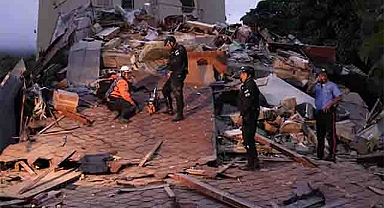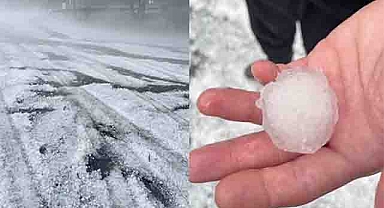
Widespread flooding leaves devastation across MexicoAt least 37 people have been killed and several others remain missing as catastrophic flooding and landslides swept through Mexico this week. Torrential rains, unleashed by a series of tropical storms, have caused rivers to overflow, roads to crumble, and homes to collapse, leaving a trail of destruction across much of the country. The intense rainfall, which has battered 31 of Mexico’s 32 states, has left emergency services stretched thin as they work to rescue stranded residents and restore essential infrastructure.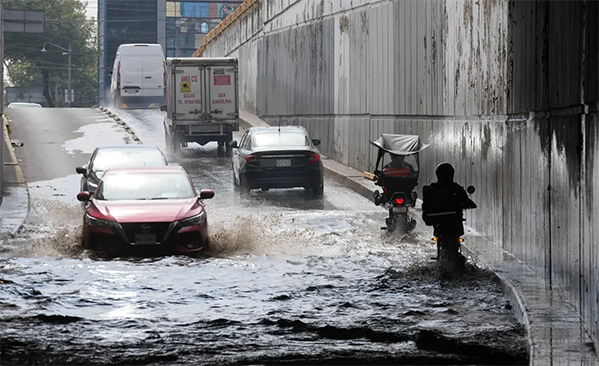 Civil defence authorities have confirmed that the most heavily affected areas include Hidalgo, Veracruz, Puebla, and San Luis Potosi. In Hidalgo alone, at least 22 people have died, 1,000 homes have been damaged, and more than 90 communities remain cut off from rescuers. Across the country, tens of thousands have been forced to evacuate as floodwaters continue to rise and forecasts predict more rain through the weekend.Heavy rains cause destruction and isolationIn the central and eastern regions of Mexico, relentless downpours triggered deadly landslides and widespread flooding that destroyed highways, bridges, and homes. Authorities in Veracruz reported that five people, including a police officer, lost their lives in the disaster. The navy has since evacuated nearly 900 people to emergency shelters, with around 5,000 homes confirmed damaged.In neighbouring Puebla state, at least nine people have been killed and more than 80,000 residents have been affected by the extreme weather. The federal government reported severe power outages that left over 320,000 users without electricity and caused damage to more than 1,000 kilometers of roads. President Claudia Sheinbaum assured citizens that recovery efforts are underway, stating that military and emergency teams are “working tirelessly to open roads, restore power, and deliver aid to affected families.”Military and rescue teams race against timeMore than 8,700 members of the Mexican army, navy, and national guard have been deployed to assist in rescue operations and provide humanitarian aid. The military is focusing on clearing debris, reopening blocked highways, and delivering food and medical supplies to isolated communities. Shelters have been set up nationwide for people displaced by the floods, and aerial support is being used to reach mountain villages cut off by landslides.The Sierra Madre Oriental mountain range, which runs parallel to the Gulf of Mexico, has been one of the hardest-hit regions. Its small, remote communities have suffered severe flooding and infrastructure collapse, leaving many residents stranded without access to clean water or medical care.Tropical storms continue to threaten the countryThe flooding coincides with the arrival of multiple tropical systems in the region. Tropical Storm Raymond, currently off Mexico’s Pacific coast, is moving northward and is expected to make landfall in Baja California by Sunday before weakening into a tropical depression. The United States National Hurricane Center identified Raymond as the third active system in the region this week, following Tropical Storm Priscilla and post-Tropical Cyclone Octave.These storms have compounded the damage, particularly in southern and western states such as Chiapas, Guerrero, Oaxaca, and Michoacan, where heavy rainfall has caused further flooding and landslides. Authorities remain on high alert as meteorologists warn that saturated soil conditions could lead to more collapses even after the storms weaken.La Niña pattern intensifies global weather risksMeteorologists have confirmed the return of the La Niña phenomenon—a cooling pattern in the Pacific Ocean known to disrupt weather across the globe. Although it may be too late in the season to significantly impact Atlantic hurricanes, experts caution that La Niña could still bring prolonged rainfall, floods, and droughts to various parts of the world.In Mexico, the effects are already evident. The country has recorded unusually heavy rains throughout 2025, including a new rainfall record in Mexico City earlier this year. As the Pacific storm season continues, officials fear that additional systems could form in the coming weeks, worsening conditions for already devastated regions.Government pledges ongoing support and recoveryPresident Sheinbaum has emphasized that the federal government is prioritizing recovery and reconstruction efforts. Photos shared from affected areas show soldiers wading through waist-deep water carrying supplies, while emergency workers clear debris from blocked roads. Authorities have pledged financial support for families who lost their homes and are urging residents in vulnerable regions to remain alert and follow evacuation orders.With the death toll rising and thousands displaced, Mexico faces a long recovery ahead. As Tropical Storm Raymond approaches, officials are warning residents to prepare for continued heavy rainfall and the possibility of further flooding through the weekend.
Civil defence authorities have confirmed that the most heavily affected areas include Hidalgo, Veracruz, Puebla, and San Luis Potosi. In Hidalgo alone, at least 22 people have died, 1,000 homes have been damaged, and more than 90 communities remain cut off from rescuers. Across the country, tens of thousands have been forced to evacuate as floodwaters continue to rise and forecasts predict more rain through the weekend.Heavy rains cause destruction and isolationIn the central and eastern regions of Mexico, relentless downpours triggered deadly landslides and widespread flooding that destroyed highways, bridges, and homes. Authorities in Veracruz reported that five people, including a police officer, lost their lives in the disaster. The navy has since evacuated nearly 900 people to emergency shelters, with around 5,000 homes confirmed damaged.In neighbouring Puebla state, at least nine people have been killed and more than 80,000 residents have been affected by the extreme weather. The federal government reported severe power outages that left over 320,000 users without electricity and caused damage to more than 1,000 kilometers of roads. President Claudia Sheinbaum assured citizens that recovery efforts are underway, stating that military and emergency teams are “working tirelessly to open roads, restore power, and deliver aid to affected families.”Military and rescue teams race against timeMore than 8,700 members of the Mexican army, navy, and national guard have been deployed to assist in rescue operations and provide humanitarian aid. The military is focusing on clearing debris, reopening blocked highways, and delivering food and medical supplies to isolated communities. Shelters have been set up nationwide for people displaced by the floods, and aerial support is being used to reach mountain villages cut off by landslides.The Sierra Madre Oriental mountain range, which runs parallel to the Gulf of Mexico, has been one of the hardest-hit regions. Its small, remote communities have suffered severe flooding and infrastructure collapse, leaving many residents stranded without access to clean water or medical care.Tropical storms continue to threaten the countryThe flooding coincides with the arrival of multiple tropical systems in the region. Tropical Storm Raymond, currently off Mexico’s Pacific coast, is moving northward and is expected to make landfall in Baja California by Sunday before weakening into a tropical depression. The United States National Hurricane Center identified Raymond as the third active system in the region this week, following Tropical Storm Priscilla and post-Tropical Cyclone Octave.These storms have compounded the damage, particularly in southern and western states such as Chiapas, Guerrero, Oaxaca, and Michoacan, where heavy rainfall has caused further flooding and landslides. Authorities remain on high alert as meteorologists warn that saturated soil conditions could lead to more collapses even after the storms weaken.La Niña pattern intensifies global weather risksMeteorologists have confirmed the return of the La Niña phenomenon—a cooling pattern in the Pacific Ocean known to disrupt weather across the globe. Although it may be too late in the season to significantly impact Atlantic hurricanes, experts caution that La Niña could still bring prolonged rainfall, floods, and droughts to various parts of the world.In Mexico, the effects are already evident. The country has recorded unusually heavy rains throughout 2025, including a new rainfall record in Mexico City earlier this year. As the Pacific storm season continues, officials fear that additional systems could form in the coming weeks, worsening conditions for already devastated regions.Government pledges ongoing support and recoveryPresident Sheinbaum has emphasized that the federal government is prioritizing recovery and reconstruction efforts. Photos shared from affected areas show soldiers wading through waist-deep water carrying supplies, while emergency workers clear debris from blocked roads. Authorities have pledged financial support for families who lost their homes and are urging residents in vulnerable regions to remain alert and follow evacuation orders.With the death toll rising and thousands displaced, Mexico faces a long recovery ahead. As Tropical Storm Raymond approaches, officials are warning residents to prepare for continued heavy rainfall and the possibility of further flooding through the weekend.