Why Christmas Cactus Makes a Great Houseplant
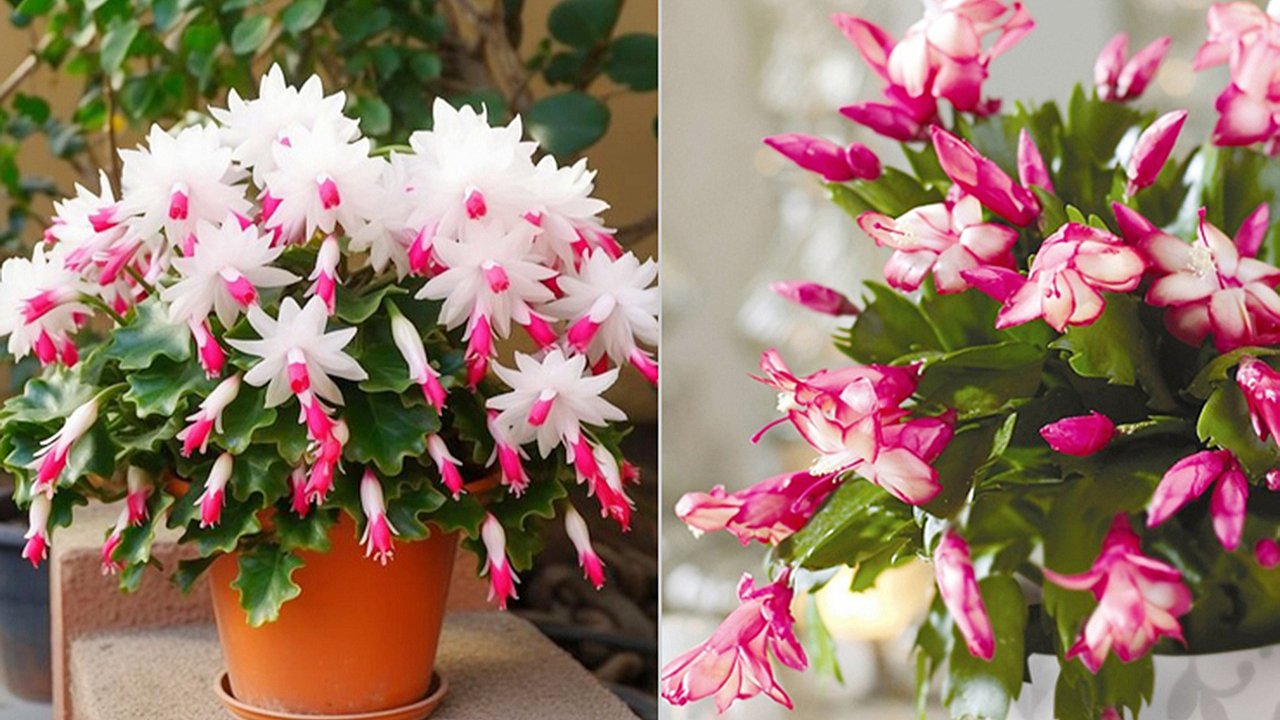
The Christmas cactus (Schlumbergera spp.) is a treasured holiday plant known for its striking, tubular blooms that appear just in time for the winter festivities. Unlike desert cacti, this tropical plant boasts flat, segmented stems and thrives in indoor conditions with proper care. Available in a wide range of colors including red, white, purple, and peach, it adds vibrant life to any space. Even when it's not in bloom, its lush, trailing greenery makes it a delightful year-round companion. When cared for properly, a Christmas cactus can live for decades, becoming more beautiful with each passing year.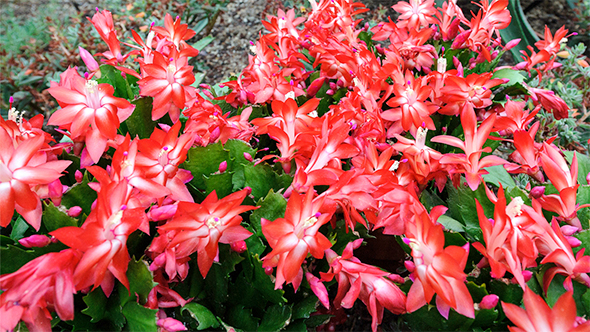 Choosing the Right Container for Longevity
Selecting the correct pot is crucial to keeping your Christmas cactus healthy and long-lasting. Choose a container with good drainage—drainage holes are non-negotiable to avoid waterlogging the roots. Clay, ceramic, or plastic pots all work well, but ensure the size is just right: not too large, as excess soil can retain moisture and lead to rot. A snug, breathable container encourages better root development and overall vitality.The Ideal Potting Mix for Thriving Growth
Christmas cacti require a potting mix that drains well yet retains slight moisture. A good mixture includes equal parts of peat moss, perlite, and coarse sand, ensuring aeration and avoiding compacted roots. The soil should be slightly acidic, with a pH between 5.5 and 6.5. When planting, do not bury the cactus too deeply—keep the roots just beneath the surface and leave space for expansion as the plant matures.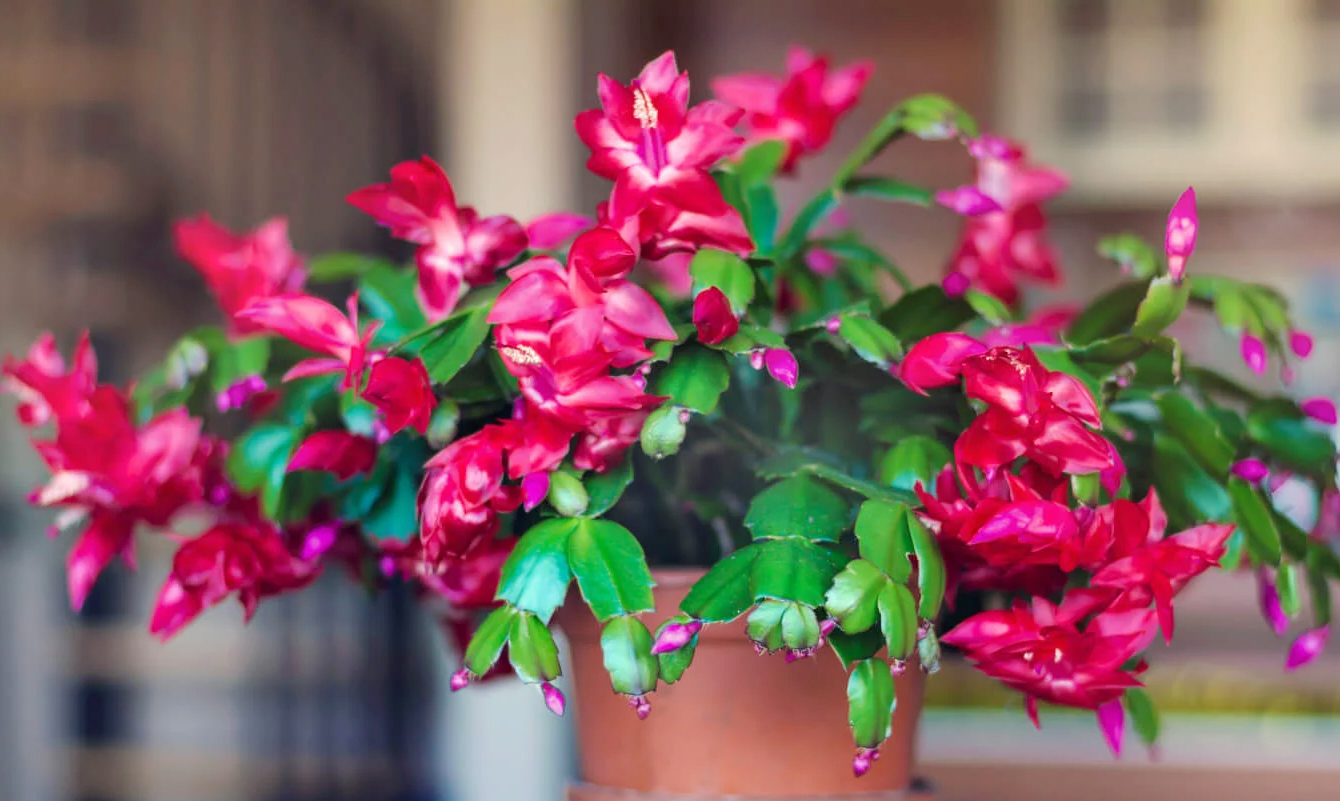 Light and Temperature Needs for Optimal Health
These plants favor bright but indirect light. Too much direct sun can scorch the leaves, while too little can inhibit growth and blooming. A north or east-facing window is ideal, or filtered light from a sheer curtain. Maintain indoor temperatures between 60°F and 70°F (15°C–21°C), and for bud formation in the fall, allow cooler nighttime temperatures around 50°F (10°C).How to Water, Humidify, and Fertilize Properly
Water your Christmas cactus thoroughly once the top inch of soil feels dry. Avoid letting the plant sit in standing water by emptying drainage trays after watering. During active growth and blooming, it prefers slightly elevated humidity—this can be achieved by misting or placing a water tray nearby. Fertilize from spring to early fall using a diluted, balanced houseplant fertilizer (half-strength), applied every two to four weeks. Cease feeding in late fall and winter to respect its natural dormancy.Essential Pruning and Long-Term Maintenance
Post-blooming, pruning helps encourage bushier growth and prevents legginess. Use clean scissors to snip off segments at the joints. Remove any dead, damaged, or tangled stems to keep the plant healthy. These trimmings can be rooted in fresh soil or water to propagate new plants. Occasionally wipe leaves with a damp cloth to keep them dust-free and allow optimal light absorption.Encouraging Dormancy and Flowering Cycles
A key to consistent blooming is providing the plant with a proper rest period. In the fall, reduce watering and place the cactus in a cool, dark room (50°F–55°F or 10°C–13°C) for about six weeks. This dormancy phase helps stimulate bud formation. Afterward, move the plant back to a bright room and resume normal watering to encourage a new round of blossoms.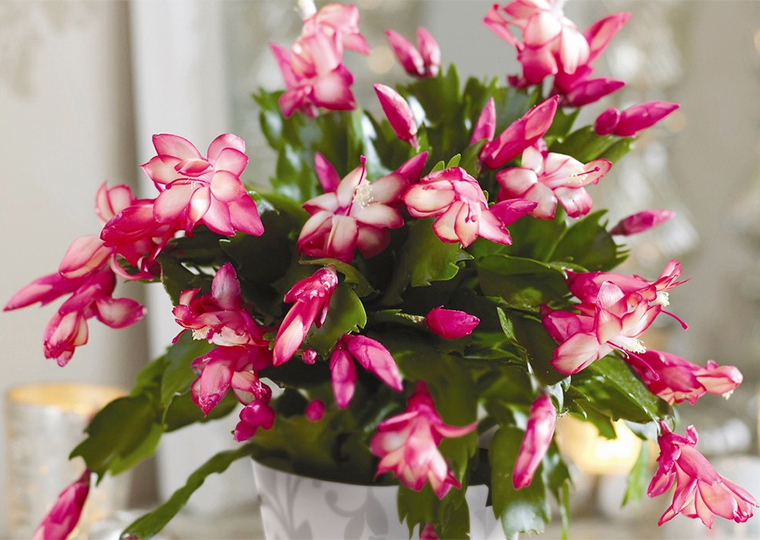 Managing Pests for a Healthy Christmas Cactus
Like other houseplants, Christmas cacti are susceptible to pests such as mealybugs and spider mites. Inspect regularly for white, cotton-like spots or fine webbing, particularly on leaf joints and undersides. If pests are found, isolate the plant and treat it with insecticidal soap or neem oil. Routine care and cleanliness can prevent infestations and keep your plant thriving year after year.
The Christmas cactus (Schlumbergera spp.) is a treasured holiday plant known for its striking, tubular blooms that appear just in time for the winter festivities. Unlike desert cacti, this tropical plant boasts flat, segmented stems and thrives in indoor conditions with proper care. Available in a wide range of colors including red, white, purple, and peach, it adds vibrant life to any space. Even when it's not in bloom, its lush, trailing greenery makes it a delightful year-round companion. When cared for properly, a Christmas cactus can live for decades, becoming more beautiful with each passing year.
Choosing the Right Container for LongevitySelecting the correct pot is crucial to keeping your Christmas cactus healthy and long-lasting. Choose a container with good drainage—drainage holes are non-negotiable to avoid waterlogging the roots. Clay, ceramic, or plastic pots all work well, but ensure the size is just right: not too large, as excess soil can retain moisture and lead to rot. A snug, breathable container encourages better root development and overall vitality.The Ideal Potting Mix for Thriving Growth
Christmas cacti require a potting mix that drains well yet retains slight moisture. A good mixture includes equal parts of peat moss, perlite, and coarse sand, ensuring aeration and avoiding compacted roots. The soil should be slightly acidic, with a pH between 5.5 and 6.5. When planting, do not bury the cactus too deeply—keep the roots just beneath the surface and leave space for expansion as the plant matures.
Light and Temperature Needs for Optimal HealthThese plants favor bright but indirect light. Too much direct sun can scorch the leaves, while too little can inhibit growth and blooming. A north or east-facing window is ideal, or filtered light from a sheer curtain. Maintain indoor temperatures between 60°F and 70°F (15°C–21°C), and for bud formation in the fall, allow cooler nighttime temperatures around 50°F (10°C).How to Water, Humidify, and Fertilize Properly
Water your Christmas cactus thoroughly once the top inch of soil feels dry. Avoid letting the plant sit in standing water by emptying drainage trays after watering. During active growth and blooming, it prefers slightly elevated humidity—this can be achieved by misting or placing a water tray nearby. Fertilize from spring to early fall using a diluted, balanced houseplant fertilizer (half-strength), applied every two to four weeks. Cease feeding in late fall and winter to respect its natural dormancy.Essential Pruning and Long-Term Maintenance
Post-blooming, pruning helps encourage bushier growth and prevents legginess. Use clean scissors to snip off segments at the joints. Remove any dead, damaged, or tangled stems to keep the plant healthy. These trimmings can be rooted in fresh soil or water to propagate new plants. Occasionally wipe leaves with a damp cloth to keep them dust-free and allow optimal light absorption.Encouraging Dormancy and Flowering Cycles
A key to consistent blooming is providing the plant with a proper rest period. In the fall, reduce watering and place the cactus in a cool, dark room (50°F–55°F or 10°C–13°C) for about six weeks. This dormancy phase helps stimulate bud formation. Afterward, move the plant back to a bright room and resume normal watering to encourage a new round of blossoms.
Managing Pests for a Healthy Christmas CactusLike other houseplants, Christmas cacti are susceptible to pests such as mealybugs and spider mites. Inspect regularly for white, cotton-like spots or fine webbing, particularly on leaf joints and undersides. If pests are found, isolate the plant and treat it with insecticidal soap or neem oil. Routine care and cleanliness can prevent infestations and keep your plant thriving year after year.