Ancient Woolly Mammoth Cells Exhibit Life-Like Activity in Groundbreaking Study
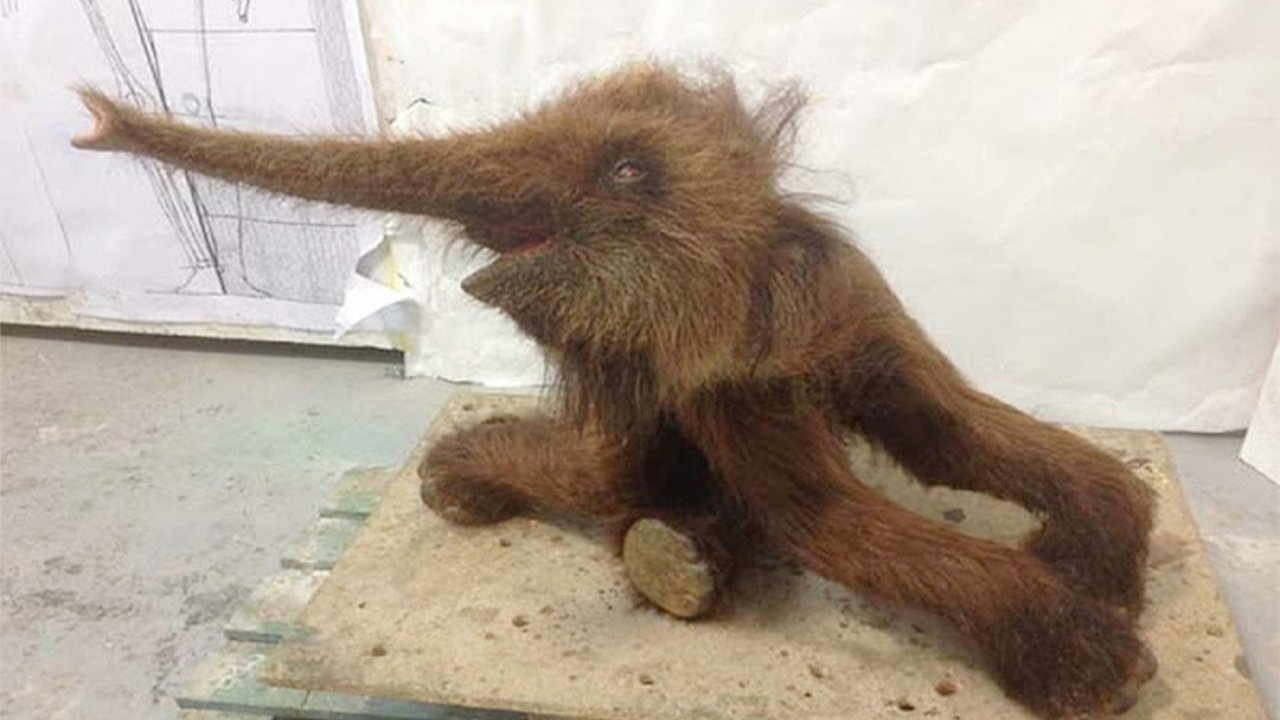
The young mammoth, discovered in 2011 frozen in Siberian permafrost, has offered researchers an extraordinary opportunity to explore the biological viability of extinct species—especially one that roamed the Earth millennia ago.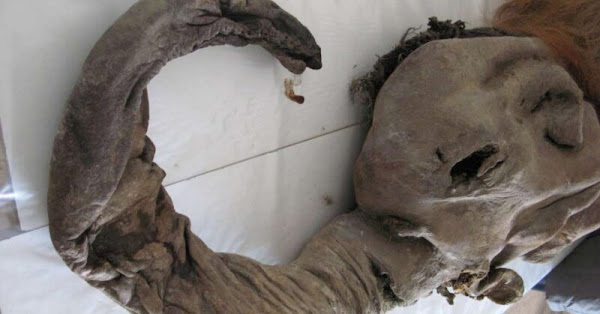 Despite the mammoth species having gone extinct roughly 4,000 years ago, this particular specimen's preservation was exceptional. The discovery ignited scientific excitement, especially among researchers eager to test whether ancient biological material could be revived—or at least stirred.Now, a team at Kindai University has made a dramatic stride in that direction. They extracted nuclei from the mammoth’s cells and transplanted them into mouse oocytes—reproductive cells capable of forming an egg after undergoing genetic division. Once inside the mouse oocytes, the ancient nuclei began to exhibit biological processes, indicating an unexpected level of cellular viability after thousands of years in the deep freeze.“This suggests that, despite the passage of thousands of years, it is still possible for partial cell activity to be restored,” explained Kei Miyamoto, a researcher in the Department of Genetic Engineering at Kindai University. In a twist that surprised even the researchers, five of the reanimated cells showed signs of activity commonly associated with the early stages of cell division—a development that typically precedes life formation.
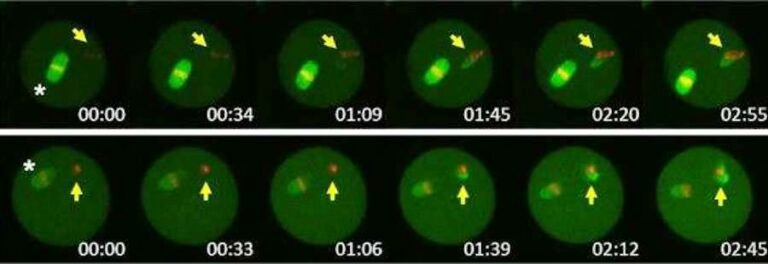 To reach this point, the scientists started by carefully extracting bone marrow and muscle tissue from the mammoth’s leg. These samples were analyzed to identify any surviving nucleus-like structures. Once located, the nuclei were extracted and combined with the mouse oocytes. The addition of mouse proteins helped trigger reactions that led to nuclear reconstitution, confirming that some of the ancient mammoth nuclei still retained biological functionality. This level of preservation—and the reawakening of some cellular processes—strongly suggests that restoring a creature like the woolly mammoth may not be as far-fetched as it once seemed.
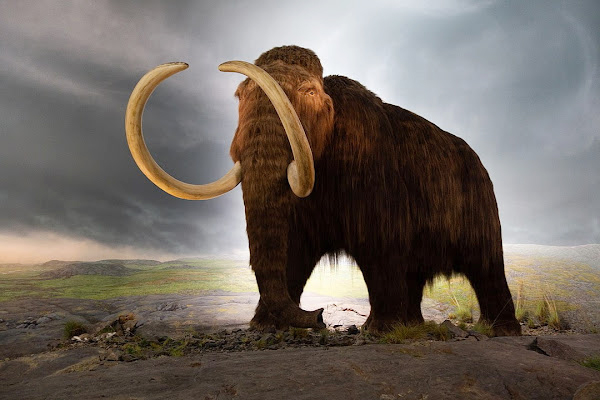 Although Miyamoto cautions that, “We are still a long way from recreating a living mammoth,” the potential is undeniably compelling. Gene-editing tools like CRISPR are being increasingly considered for such efforts, and some experts believe we’re closer than ever to making de-extinction a reality. Yet the possibility raises significant ethical questions. Just because we can bring back a species long gone, does that mean we should? The debate continues, but the science is clearly charging forward.
The young mammoth, discovered in 2011 frozen in Siberian permafrost, has offered researchers an extraordinary opportunity to explore the biological viability of extinct species—especially one that roamed the Earth millennia ago.
Despite the mammoth species having gone extinct roughly 4,000 years ago, this particular specimen's preservation was exceptional. The discovery ignited scientific excitement, especially among researchers eager to test whether ancient biological material could be revived—or at least stirred.Now, a team at Kindai University has made a dramatic stride in that direction. They extracted nuclei from the mammoth’s cells and transplanted them into mouse oocytes—reproductive cells capable of forming an egg after undergoing genetic division. Once inside the mouse oocytes, the ancient nuclei began to exhibit biological processes, indicating an unexpected level of cellular viability after thousands of years in the deep freeze.“This suggests that, despite the passage of thousands of years, it is still possible for partial cell activity to be restored,” explained Kei Miyamoto, a researcher in the Department of Genetic Engineering at Kindai University. In a twist that surprised even the researchers, five of the reanimated cells showed signs of activity commonly associated with the early stages of cell division—a development that typically precedes life formation.To reach this point, the scientists started by carefully extracting bone marrow and muscle tissue from the mammoth’s leg. These samples were analyzed to identify any surviving nucleus-like structures. Once located, the nuclei were extracted and combined with the mouse oocytes. The addition of mouse proteins helped trigger reactions that led to nuclear reconstitution, confirming that some of the ancient mammoth nuclei still retained biological functionality. This level of preservation—and the reawakening of some cellular processes—strongly suggests that restoring a creature like the woolly mammoth may not be as far-fetched as it once seemed.Although Miyamoto cautions that, “We are still a long way from recreating a living mammoth,” the potential is undeniably compelling. Gene-editing tools like CRISPR are being increasingly considered for such efforts, and some experts believe we’re closer than ever to making de-extinction a reality. Yet the possibility raises significant ethical questions. Just because we can bring back a species long gone, does that mean we should? The debate continues, but the science is clearly charging forward.